
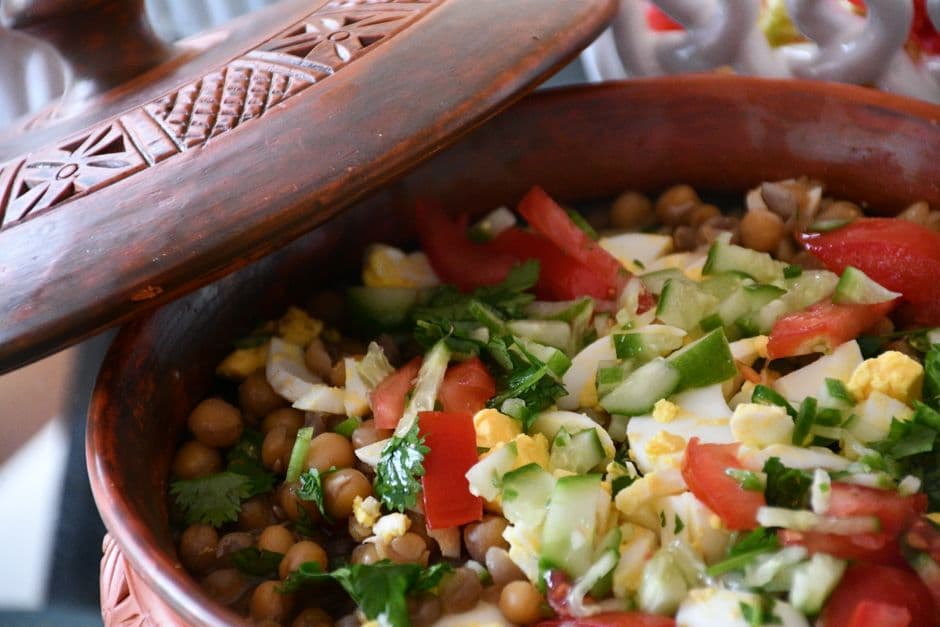
Hamli
Tender greens sautéed with garlic, onion, and spiced butter—a simple, nourishing Eritrean side dish packed with flavor.
About This Recipe
Hamli is Eritrea's everyday greens dish, most commonly made with Swiss chard or spinach quickly wilted in niter kibbeh with plenty of garlic and onion. It is a staple accompaniment to the main injera spread, providing cool, mild relief alongside fiery stews like zigni. In Eritrean Orthodox fasting periods (called tsomit), hamli cooked without meat or dairy becomes a central fasting dish, demonstrating how Eritrean cuisine adapts to religious practice with grace. Its simplicity belies the quality of flavors coaxed from just a handful of ingredients.
Ingredients
Serves 4
- 600 gSwiss chard or spinach, roughly chopped
- 2 tbspniter kibbeh or olive oil (for vegan)
- 1 largeonion, sliced
- 5 clovesgarlic, minced
- 1 tspground cumin
- 0.5 tspturmeric
- 0.5 tspchili flakes
- 1 tspsalt
- 2 tbsplemon juice
Instructions
- 1
Soften onions
Melt niter kibbeh in a wide pan over medium heat. Add sliced onions and cook for 8 minutes until soft and translucent.
- 2
Add aromatics
Stir in garlic, cumin, turmeric, and chili flakes. Cook 1–2 minutes until fragrant.
- 3
Wilt the greens
Add chopped chard or spinach in batches, stirring as each batch wilts down. Cook for 5–7 minutes until all greens are tender.
- 4
Season and finish
Season with salt and squeeze over lemon juice. Toss well and serve immediately.
Did you make this?
Rate it and help other cooks find the recipes that actually work.
One tap to sign in, and we'll save the rating you just picked.
Everything you need to plan your week — free
- Meal calendar
- Grocery list
- AI recipe ideas
Track what you eat
Snap your meal to log calories and macros, run fasting timers and track water in the free SnapCal app.
Pro Tips
- →
Don't overcook the greens—they should be wilted but still vibrant green.
- →
A pinch of cardamom in the niter kibbeh elevates the flavor further.
- →
Use a mix of kale and chard for more texture.
- →
Taste and adjust salt at the very end — flavors concentrate as liquids reduce, and a final pinch of flaky salt sharpens the whole dish.
Variations
- •
Add crumbled ayib (Eritrean fresh cheese) on top before serving.
- •
Stir in a tablespoon of tahini for a creamier texture.
- •
Include sliced jalapeños for extra heat.
- •
Vegetarian: swap the protein for roasted king oyster mushrooms, smoked tofu or cooked chickpeas — adjust seasoning slightly upward to compensate.
Storage
Refrigerate for up to 2 days. Reheat gently in a pan with a splash of water.
History & Origin
Greens have been cultivated in the Eritrean highlands for centuries. Hamli is particularly important during Orthodox Christian fasting days, when abstaining from meat and dairy is required, making plant-based dishes central to the cuisine.
Frequently Asked Questions
What greens work best?
Swiss chard is traditional, but spinach, kale, collard greens, or a combination all work well.
Can I make this ahead of time?
Yes — most of the components can be prepared up to a day in advance and refrigerated separately. Reheat gently and assemble just before serving so textures stay distinct.
What can I substitute if I don't have all the ingredients?
Stay close to the role each ingredient plays: swap aromatics for similar ones (shallot for onion, lime for lemon), and keep the fat-acid-salt balance intact. Spice blends can usually be approximated with what's in the cupboard.
How do I know it's authentic?
Authenticity sits on a spectrum — what matters more is honoring the technique and balance of flavors. If the dish tastes harmonious and respects how cooks in its home region would build it, you're on solid ground.
Nutrition Facts
Per serving (200g / 7.1 oz) · 4 servings total
Time Summary
Have Questions?
Ask our AI cooking assistant anything about this recipe — substitutions, techniques, scaling.
Chat with AI Chef →More Eritrean Recipes
You Might Also Like
Similar dishes from other cuisines around the world.
Free Kitchen Tools
Calculators and converters that pair with this page — no signup needed.
Put This Into a Plan
Schedule it, shop for it, and track what you already have.
Read Next
Longer reads that go deeper on the ideas behind this dish.
Community
Join the conversation
Sign in to leave a comment and save your favourite recipes