
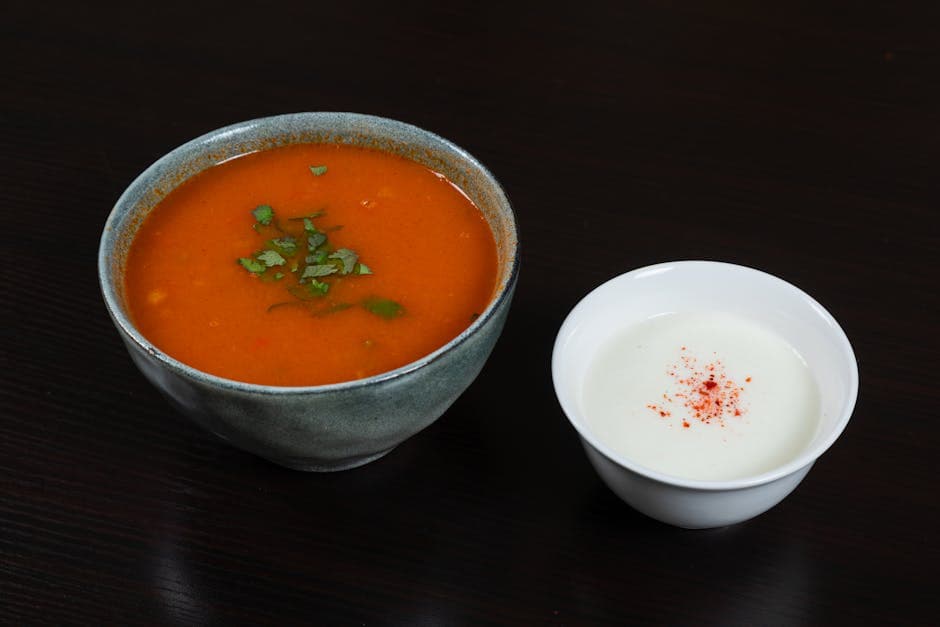
Harira (Moroccan Tomato-Lentil Soup)
Morocco's iconic Ramadan soup — tomato, lentils, chickpeas, lamb and a flurry of fresh cilantro and parsley, thickened with a flour slurry into silky comfort.
About This Recipe
Harira is the soup with which Moroccan families break the daily Ramadan fast, eaten the moment the call to prayer signals iftar in cities and villages across the country. But to call it merely a Ramadan dish undersells how central harira is to Moroccan life — it is served at weddings, after funerals, on rainy winter nights, and anywhere a warming, filling, deeply traditional bowl is needed. The soup is built on a base of tomatoes, chickpeas, brown lentils, small cubes of lamb or beef and the holy Moroccan herb pairing of cilantro and parsley — sometimes combined into a finely chopped mixture called chermoula-style. Warm spices (ginger, turmeric, cinnamon, black pepper, paprika and ras el hanout) are added gently rather than aggressively; harira should taste mellow, not hot. The signature technique is the final thickening with a flour-and-water slurry called tedouira, slowly drizzled into the simmering soup while stirring constantly, which gives harira its characteristic silky body and slight cling to the spoon. A drizzle of lemon juice, a few dates on the side, and small honey-soaked chebakia pastries to nibble after — and the bowl becomes a complete iftar in itself. There is no Moroccan kitchen without a recipe for harira passed mother to daughter, and probably no Moroccan abroad who doesn't make it during Ramadan to remember home.
Ingredients
Serves 8
- 300 glamb shoulder or beef, cut into 1 cm cubes
- 150 gdried chickpeas, soaked overnight (or 1 can rinsed)
- 150 gbrown or green lentils, rinsed
- 1 kgripe tomatoes, blanched, peeled and blended (or 2 cans crushed)
- 2 tbsptomato paste
- 1 largeonion, finely chopped
- 2 stalkscelery (with leaves), finely chopped
- 1 large bunch eachflat-leaf parsley and cilantro, finely chopped (about 100 g combined)
- 1 tsp eachground ginger, turmeric, cinnamon, paprika, black pepper
- 1 pinchsaffron threads, bloomed in 2 tbsp warm water
- 3 tbspolive oil or smen (clarified butter)
- 2.5 Lwater or light meat stock
- 60 gflour mixed with 250 ml cold water (tedouira slurry)
- 1lemon, cut into wedges (to serve)
Instructions
- 1
Brown the meat and aromatics
Heat olive oil in a large heavy pot over medium-high. Add the meat cubes and brown 4–5 minutes until edges are caramelized. Add the chopped onion, celery and half the herb mixture. Stir 5 minutes until everything is glistening and the onion is translucent.
- 2
Bloom the spices
Add ginger, turmeric, cinnamon, paprika, pepper and bloomed saffron with its water. Stir constantly for 60 seconds — the kitchen will fill with the warm aromatic perfume that defines Moroccan cooking. Don't let the spices scorch.
- 3
Add tomato and tomato paste
Stir in the puréed tomatoes and tomato paste. Cook 8 minutes, stirring occasionally, until the tomato darkens slightly and the oil starts to separate at the edges. This step concentrates the tomato flavor that will be diluted by the water.
- 4
Add water and chickpeas
Pour in 2 L of water (reserve the rest for adjusting later). Add the soaked chickpeas (or canned). Bring to a strong simmer, then reduce to gentle. Cover partially and simmer 60 minutes until the chickpeas are nearly tender and the meat is fork-tender.
- 5
Add lentils and remaining herbs
Add the lentils and the remaining chopped herbs. Simmer another 20 minutes, uncovered, until the lentils are soft and the soup smells deeply herbal-tomato-fragrant. Top up with reserved water if it looks too thick.
- 6
Thicken with tedouira
Whisk the flour-water slurry thoroughly so there are no lumps. With the soup at a gentle simmer, slowly drizzle in the slurry while stirring constantly with a long spoon. Continue stirring 5 minutes until the soup thickens to a silky, slightly clinging texture — this is harira's defining body.
Pour the slurry through a sieve as you add it to catch any flour lumps before they hit the soup.
- 7
Final simmer and serve
Let the soup gently bubble another 5 minutes to cook out the raw flour taste. Adjust salt. Ladle into bowls and serve immediately with lemon wedges, fresh bread, dates and (for Ramadan) chebakia or honey pastries on the side. Diners squeeze lemon into their bowl to taste.
Did you make this?
Rate it and help other cooks find the recipes that actually work.
One tap to sign in, and we'll save the rating you just picked.
Everything you need to plan your week — free
- Meal calendar
- Grocery list
- AI recipe ideas
Track what you eat
Snap your meal to log calories and macros, run fasting timers and track water in the free SnapCal app.
Pro Tips
- →
Harira tastes better the next day. If you have the time, make it a day ahead and reheat gently before serving.
- →
Don't skip the tedouira slurry. The silky thickness is a signature element — without it you have a herby tomato soup, not harira.
- →
Some Moroccan cooks add a handful of broken vermicelli (sha'iriya) in the last 5 minutes for a more substantial bowl. Optional but traditional in northern Morocco.
- →
Use both parsley AND cilantro generously. Either alone is too one-note; together they create harira's signature green fragrance.
Variations
- •
Vegetarian harira — skip the meat entirely; harira is one of the few traditional soups that holds up beautifully without animal protein.
- •
Chicken harira — replace lamb with chicken thigh; reduce first-stage simmer to 30 minutes.
- •
With rice instead of vermicelli — add 2 tbsp short-grain rice in the last 15 minutes for added body.
- •
Northern Moroccan style — finish with a few drops of orange blossom water for floral lift.
Storage
Refrigerate up to 5 days in a sealed container; flavor deepens dramatically. Freezes 3 months. Reheat gently — high heat can split the thickened broth. If it's too thick after refrigeration, thin with a splash of water during reheating.
History & Origin
Harira has been the iftar soup of Morocco for at least 500 years, with recipes documented in Andalusi cookbooks from medieval Fez. The dish reflects Morocco's position at the crossroads of Berber, Arab, and Mediterranean influences — tomatoes (from the Americas via Spain) joining ancient legume-and-spice traditions that long predate Islam in North Africa.
Frequently Asked Questions
Do I have to use dried chickpeas?
Canned are fine — add them in the last 30 minutes since they're already cooked. Dried gives a slightly better texture but the difference is small.
Can I make this gluten-free?
Yes — substitute cornstarch for the flour in the slurry (use half the amount, dissolved in cold water). Skip the vermicelli if adding.
Why is my soup grainy?
Your tedouira had lumps. Always whisk the slurry thoroughly and add through a sieve while stirring the soup. If it's already grainy, blend with an immersion blender briefly.
What do I serve with harira?
Traditionally: dates, hard-boiled eggs, chebakia (sesame-honey pastries), and bread. For a non-Ramadan meal, just bread and lemon are enough.
Nutrition Facts
Per serving (420g / 14.8 oz) · 8 servings total
Time Summary
Have Questions?
Ask our AI cooking assistant anything about this recipe — substitutions, techniques, scaling.
Chat with AI Chef →Featured in Guides
This recipe is featured in the following curated guides:
More Moroccan Recipes
You Might Also Like
Similar dishes from other cuisines around the world.
Browse by Ingredient
More recipes built around the same core ingredients.
Free Kitchen Tools
Calculators and converters that pair with this page — no signup needed.
Put This Into a Plan
Schedule it, shop for it, and track what you already have.
Read Next
Longer reads that go deeper on the ideas behind this dish.
Community
Join the conversation
Sign in to leave a comment and save your favourite recipes