
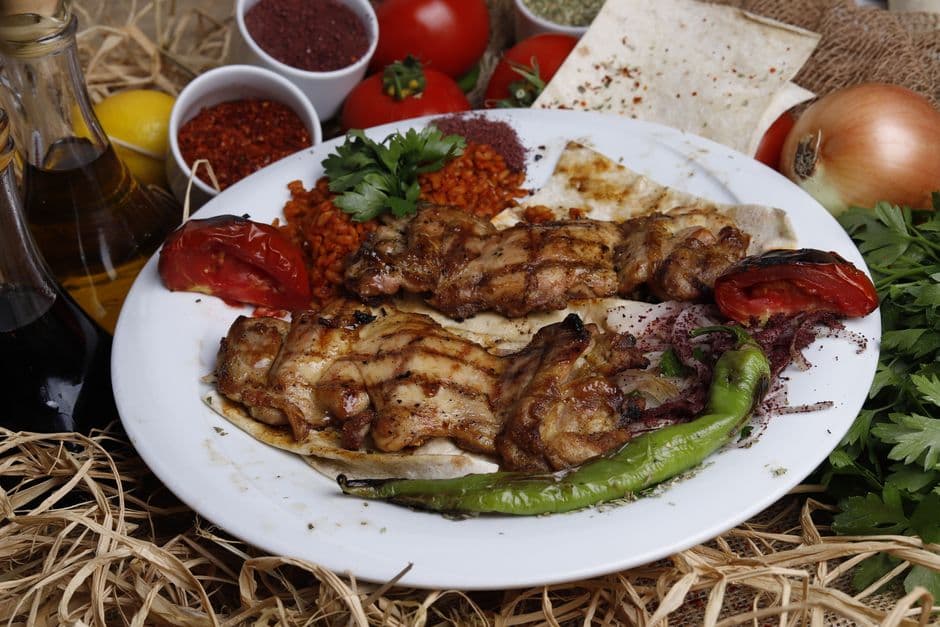
Otlu Fırın Tavuğu (Turkish Herb-Roasted Chicken)
Whole chicken marinated in a paste of garlic, lemon, olive oil, and Turkish spices then slow-roasted until the skin is burnished and the meat deeply fragrant.
About This Recipe
Fırın tavuğu — oven-roasted chicken — is the centerpiece of countless Turkish family Sunday lunches and special occasions. The Turkish preparation typically involves a bold marinade made from biber salçası (red pepper paste), olive oil, garlic, lemon juice, dried thyme, and pul biber that is rubbed both under and over the skin, ensuring the spices penetrate the meat. The red pepper paste gives the skin its characteristic deep brick-red color and adds a subtle fruity heat. The secret to properly cooked fırın tavuğu is temperature management: starting at a high temperature (220°C) for the first 20-25 minutes to set and crisp the skin, then reducing heat to allow the interior to cook through gently without drying out. Basting every 20-30 minutes with the pan juices builds additional flavor layers on the skin. Resting the cooked chicken for 10-15 minutes before carving is critical — cutting immediately causes the juices to run out, leaving the meat dry. The pan juices, enriched with the spice marinade drippings, make a simple but intensely flavored sauce to pour over the carved chicken.
Ingredients
Serves 4
- 1.5 kgwhole chicken
- 2 tbspbiber salçası (Turkish red pepper paste)
- 3 tbspolive oil
- 4 clovesgarlic(minced)
- 1 wholelemon(juice and zest)
- 1 tspdried thyme
- 1 tsppul biber (Aleppo pepper flakes)
- 1 tspsweet paprika
- 1.5 tspsalt
- 1/2 tspblack pepper
- 1 largeonion(cut into wedges, for the roasting tray)
- 200 mlchicken stock or water(for the tray)
Instructions
- 1
Make the Marinade and Apply
Mix biber salçası, olive oil, garlic, lemon juice and zest, thyme, pul biber, paprika, salt, and pepper in a bowl until a paste forms. Loosen the skin over the chicken breasts with your fingers and rub a generous amount of paste under the skin directly onto the meat. Rub the remaining paste all over the outside of the chicken. If time allows, marinate refrigerated for 2-4 hours.
Getting marinade under the skin is what separates a deeply flavored bird from a superficially seasoned one.
- 2
Prepare the Roasting Tray
Preheat oven to 220°C. Place onion wedges in the roasting tray. Set the chicken on top breast-side up. Pour stock or water into the tray (not over the chicken) — this prevents the pan juices from burning and creates steam that keeps the lower meat moist.
- 3
High-Heat First Roast
Roast at 220°C for 20-25 minutes until the skin begins to color and crisp. Reduce oven to 180°C and continue roasting.
- 4
Baste and Continue
Baste the chicken with the pan juices every 20-25 minutes. Total roasting time (after the initial high-heat blast) is about 50-60 minutes. The chicken is done when a thermometer inserted into the thickest part of the thigh reads 75°C, or the juices run clear when the thigh joint is pierced.
- 5
Rest and Serve
Remove from oven and rest uncovered for 10-15 minutes before carving. Strain the pan juices through a fine sieve and pour over the carved pieces as a simple sauce. Serve with rice pilav, roasted vegetables, and cacık on the side.
Did you make this?
Rate it and help other cooks find the recipes that actually work.
One tap to sign in, and we'll save the rating you just picked.
Everything you need to plan your week — free
- Meal calendar
- Grocery list
- AI recipe ideas
Track what you eat
Snap your meal to log calories and macros, run fasting timers and track water in the free SnapCal app.
Pro Tips
- →
Biber salçası is the key differentiator of Turkish herb chicken — it's not optional. Look for it in Turkish or Middle Eastern grocery stores.
- →
Resting the chicken is non-negotiable — 10-15 minutes allows juices to redistribute and prevents them from all running out when you carve.
- →
If the skin isn't crisping enough, raise the oven to 220°C for the final 10 minutes.
Variations
- •
Limon ve biberiye: replace pul biber with fresh rosemary sprigs stuffed under the skin for a more Mediterranean character.
- •
Sarımsak-yoğurt: replace the olive oil in the marinade with thick strained yogurt mixed with garlic for a tandoor-style moist result.
- •
Tavuk but: use chicken thighs and legs instead of a whole chicken — reduce cooking time to 35-40 minutes at 200°C.
Storage
Roasted chicken keeps refrigerated for 3 days. Reheat covered in a 160°C oven for 15-20 minutes with a splash of stock or water to prevent drying out.
History & Origin
Roasted poultry has been a Turkish table centerpiece for centuries, with tavuk (chicken) appearing in Ottoman palace cookbooks from the 15th century onward. The use of biber salçası as a primary seasoning element became widespread following the systematic cultivation of red peppers in Anatolia from the 17th century. The fırın tavuğu tradition as a Sunday family meal centerpiece became culturally entrenched in 20th-century urban Turkish households.
Frequently Asked Questions
How do I know when the chicken is cooked through?
The most reliable method is a meat thermometer: insert into the thickest part of the thigh (avoiding bone) — it should read 75°C (165°F). Without a thermometer, pierce the thigh joint with a skewer; the juices should run completely clear with no pink. Visually, the skin should be deep golden-red and the leg should feel loose when moved.
Can I marinate the chicken overnight?
Yes, and overnight marinating produces a noticeably more flavorful result as the spices penetrate deeper into the meat. Keep it covered in the refrigerator and bring to room temperature 30 minutes before roasting.
Nutrition Facts
Per serving (320g / 11.3 oz) · 4 servings total
Time Summary
Have Questions?
Ask our AI cooking assistant anything about this recipe — substitutions, techniques, scaling.
Chat with AI Chef →More Turkish Recipes
You Might Also Like
Similar dishes from other cuisines around the world.
Browse by Ingredient
More recipes built around the same core ingredients.
Free Kitchen Tools
Calculators and converters that pair with this page — no signup needed.
Put This Into a Plan
Schedule it, shop for it, and track what you already have.
Read Next
Longer reads that go deeper on the ideas behind this dish.
Community
Join the conversation
Sign in to leave a comment and save your favourite recipes