
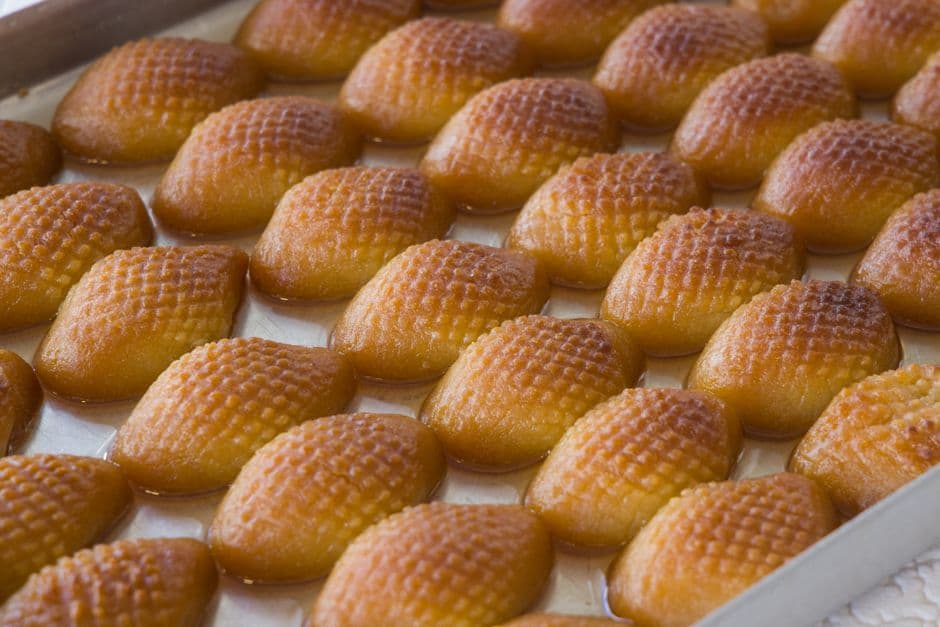
Ballı Kek (Turkish Honey Cake)
A moist, spiced Turkish honey cake scented with cinnamon and orange zest — dense enough to slice cleanly yet tender with a sticky, caramelized honey crumb.
About This Recipe
Ballı kek — honey cake — occupies a special place in Turkish home baking, sitting between the dense texture of a pound cake and the moist fragrance of a spiced loaf. Turkey's relationship with honey is ancient and deep: Anatolian honey (especially from the Black Sea region and from the Kaçkar mountains) is among the most prized in the world, and its floral, herbal varieties translate beautifully into baking. A good honey cake uses honey not just as a sweetener but as the primary flavor driver, which means the quality of honey matters — floral or wildflower varieties produce the most complex results. The key technique is blooming the honey gently with butter before incorporating it — warming the honey makes it easier to mix and intensifies its floral notes. Orange zest and ground cinnamon complement the honey without overpowering it. The batter should be quite fluid (the cake relies on the eggs and honey for structure rather than lots of flour) and baked low and slow at 170°C to prevent the honey's sugars from caramelizing too quickly. The result is a deeply golden, tender cake that improves after 24 hours as the honey permeates the crumb fully.
Ingredients
Serves 8
- 150 ggood-quality honey (wildflower or Anatolian)
- 80 gunsalted butter
- 2 largeeggs
- 120 gplain flour
- 80 gground almonds (almond flour)
- 1 tspbaking powder
- 1/4 tspbaking soda
- 1.5 tspground cinnamon
- 1/4 tspground cloves
- 1/2 tspsalt
- 1 wholeorange(zest only)
- 80 mlplain yogurt or buttermilk
- 2 tbspadditional honey(for drizzling on top after baking)
Instructions
- 1
Prepare and Bloom Honey
Preheat oven to 170°C. Grease and line a 900g loaf tin. Melt butter gently in a saucepan over low heat. Add honey and stir to combine — warming the honey makes it fluid and easy to incorporate. Remove from heat and cool for 5 minutes.
- 2
Mix Wet Ingredients
Whisk eggs into the honey-butter mixture one at a time until combined. Add orange zest and yogurt and whisk until smooth. The mixture should be fluid and homogeneous.
- 3
Combine with Dry Ingredients
In a separate bowl, whisk together flour, ground almonds, baking powder, baking soda, cinnamon, cloves, and salt. Pour the wet ingredients into the dry and fold gently with a spatula until just combined — do not overmix, a few lumps are fine.
- 4
Bake Low and Slow
Pour the batter into the prepared tin. Bake at 170°C for 45-55 minutes until a skewer inserted in the center comes out clean. If the top browns too quickly, cover loosely with foil after 30 minutes.
Low temperature (170°C) prevents the honey sugars from burning before the center sets. Do not rush with a higher oven.
- 5
Glaze and Rest
Remove from oven and drizzle additional honey over the top while still hot — it will soak into the surface and create a sticky glaze. Cool in the tin for 15 minutes, then turn out and cool completely on a rack. The cake is best the next day after the honey fully saturates the crumb.
Did you make this?
Rate it and help other cooks find the recipes that actually work.
One tap to sign in, and we'll save the rating you just picked.
Everything you need to plan your week — free
- Meal calendar
- Grocery list
- AI recipe ideas
Track what you eat
Snap your meal to log calories and macros, run fasting timers and track water in the free SnapCal app.
Pro Tips
- →
Use the best honey you can find — floral, complex Anatolian wildflower honey transforms this from a good cake to an exceptional one.
- →
The ground almonds are key to the moist, dense-yet-tender texture — don't substitute with additional flour.
- →
The cake genuinely improves after 24 hours; make it the day before serving for the best result.
Variations
- •
Cevizli: fold 80g of roughly chopped walnuts into the batter for a nutty version.
- •
Portakallı: add 2 tablespoons of orange juice in addition to the zest for a more pronounced citrus note.
- •
Tarçınlı şeker kaplamalı: dust the top with powdered sugar mixed with cinnamon instead of the honey glaze.
Storage
Store wrapped at room temperature for 4 days — it actually improves over the first 2 days. Can be frozen (sliced) for up to 2 months; thaw at room temperature.
History & Origin
Honey (bal) has been central to Anatolian sweetmeat and confection traditions for millennia, with evidence of honey-making in the region dating back thousands of years. Turkish honey, particularly from the Black Sea coast and Aegean highlands, became famous across the Ottoman Empire and beyond. Honey-based cakes and pastries have been made in Turkey for centuries, though the modern loaf cake form incorporating Western baking techniques emerged in the 20th century.
Frequently Asked Questions
Can I substitute the honey with another sweetener?
The honey is the defining flavor of this cake, so substitutions significantly change the result. Maple syrup produces a pleasing but different flavor. Date syrup gives more complexity. Regular sugar cannot substitute — the liquid honey is integral to the batter's texture.
Why did my honey cake sink in the middle?
Sinking usually means the center was underbaked. Honey's sugars cause the outside to look done before the center is set. Always test with a skewer — it must come out completely clean. If the top is browning too fast, cover with foil and continue baking at 170°C.
Nutrition Facts
Per serving (100g / 3.5 oz) · 8 servings total
Time Summary
Have Questions?
Ask our AI cooking assistant anything about this recipe — substitutions, techniques, scaling.
Chat with AI Chef →Featured in Guides
This recipe is featured in the following curated guides:
More Turkish Recipes
You Might Also Like
Similar dishes from other cuisines around the world.
Browse by Ingredient
More recipes built around the same core ingredients.
Free Kitchen Tools
Calculators and converters that pair with this page — no signup needed.
Put This Into a Plan
Schedule it, shop for it, and track what you already have.
Read Next
Longer reads that go deeper on the ideas behind this dish.
Community
Join the conversation
Sign in to leave a comment and save your favourite recipes