
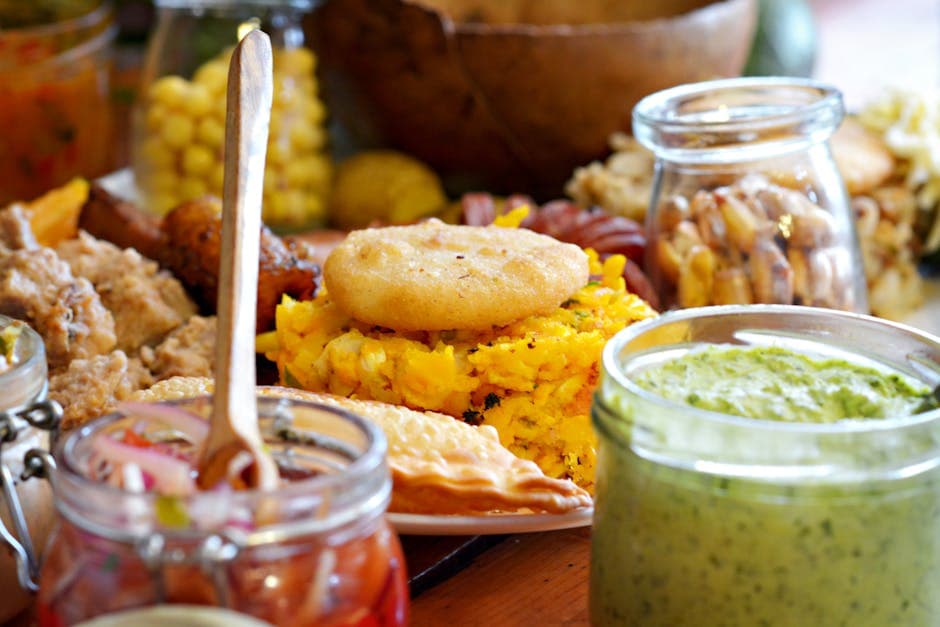
Humitas (Ecuadorian Steamed Corn Cakes)
Ecuadorian Andean snack — fresh sweet-corn dough mixed with cheese, eggs, and butter, wrapped in corn husks and steamed soft and savory.
About This Recipe
Humitas are the Andean cousins of Mexican tamales — soft, almost custardy steamed cakes made from freshly grated sweet corn, queso fresco, eggs, butter, and a touch of sugar, wrapped in fresh corn husks and steamed in a tall pot until set into tender, fragrant pillows. In Ecuador they are quintessential Sunday merienda (afternoon snack), sold from market stalls in Quito, Cuenca, and Otavalo, served with a cup of cinnamon-spiced coffee or rich hot chocolate. Unlike Peruvian or Bolivian humitas (which are firmer and sometimes sweeter), the Ecuadorian style is creamier, more savory, with the cheese melting into the corn dough. Real humitas demand fresh, just-picked corn whose milky kernels still ooze when scraped — frozen corn produces a passable but flatter result.
Ingredients
Serves 12
- 8 earsfresh sweet corn (with husks intact)
- 200 gqueso fresco (or mild feta), crumbled
- 3 largeeggs
- 80 gunsalted butter, melted
- 60 mldouble cream
- 2 tbspsugar
- 1.5 tspfine salt
- 1 tspbaking powder
- 0.5 tspground anise (optional, traditional Ecuadorian touch)
- 3 tbspfine cornmeal (only if mixture is too wet)
- extra reserved corn husks for wrapping
- kitchen string or strips of husk, for tying
Instructions
- 1
Strip corn
Carefully strip the outer husks from each ear, keeping the larger inner leaves whole — these will be your wrappers. Set aside the best 24 leaves in a bowl of warm water to soften.
- 2
Cut kernels
Stand each corn ear on its base and slice the kernels off down the cob with a sharp knife. Scrape the cobs with the back of the knife to extract the milky liquid — this is liquid gold for the dough.
- 3
Grind
Pulse the kernels with their scrapings in a food processor in short bursts to a slightly coarse paste — you want some texture, not a smooth purée. Should yield about 800 g of corn paste.
- 4
Mix the dough
In a large bowl combine corn paste, crumbled cheese, eggs, melted butter, double cream, sugar, salt, baking powder, and ground anise. Mix to a thick, scoopable batter that holds shape on a spoon. If too wet (it pools), add fine cornmeal 1 tbsp at a time. If too dry, add 2 tbsp more cream.
- 5
Prepare wrappers
Drain husks. Lay one large husk on the work surface, smooth side up, narrow end pointing toward you. Tear a few extra husks into thin strips for tying (or use kitchen string).
- 6
Fill
Spoon 3 tbsp of dough into the center of each husk. Fold the long sides inward over the filling, then fold the bottom (narrow) end up. Leave the wide top open or tuck it under the bottom for a more secure parcel.
- 7
Tie
Tie each humita with a strip of husk or kitchen string around the middle. Don't tie too tight — the dough expands as it steams.
- 8
Set up steamer
Place a layer of leftover husks or a steamer basket in the bottom of a tall pot. Add 5 cm of water; bring to a hard simmer.
- 9
Steam
Stand the humitas upright, folded-end down, packed tightly so they support each other. Cover. Steam at a steady simmer for 50–60 minutes. Check water level halfway; top up with hot water if needed.
- 10
Test and serve
A humita is done when the dough pulls cleanly away from the husk and is firm but tender to the squeeze. Let rest 10 minutes — they firm up further. Serve warm in their husks, alongside hot Ecuadorian coffee, ají picante, or fresh cheese.
Did you make this?
Rate it and help other cooks find the recipes that actually work.
One tap to sign in, and we'll save the rating you just picked.
Everything you need to plan your week — free
- Meal calendar
- Grocery list
- AI recipe ideas
Cook this hands-free
Get AI meal plans, step-by-step cooking mode, and your saved recipes in the free Bento app.
Pro Tips
- →
Fresh corn is non-negotiable — the milky scrapings from the cob are what give humitas their soft, custardy texture. Frozen corn lacks the moisture and starches.
- →
The dough should plop off a spoon, not pour. If too wet, your humitas will be soggy; if too dry, they'll be crumbly.
- →
Pack the pot tightly with humitas standing upright — loose packing causes them to fall sideways and cook unevenly.
Variations
- •
Sweet humitas (humitas dulces) — double the sugar, add raisins and ground cinnamon, skip the cheese.
- •
Humitas con pollo — tuck a tablespoon of shredded chicken and onion sofrito in the center of each.
- •
Bolivian humintas style — firmer dough with chunks of fresh white cheese and a teaspoon of aji amarillo paste.
Storage
Refrigerate in husks up to 4 days. Re-steam 10 minutes to revive. Freeze cooked humitas in their wrappers 2 months; steam from frozen for 25 minutes.
History & Origin
Humitas predate the Inca Empire — archaeological evidence shows steamed corn cakes were eaten across the Andean highlands at least 3,000 years ago. The Quechua word humita refers to the wrapped form. After the Spanish conquest introduced cheese, eggs, and butter, Ecuadorian Sierra cuisine refined the dish into the soft savory version still made today across Quito, Cuenca, and Otavalo.
Frequently Asked Questions
Can I use frozen or canned corn?
You can, but the result is noticeably drier. Add 100 ml extra cream and 1 extra egg to compensate for the missing milky scrapings. Fresh corn is genuinely worth the wait when it's in season.
What if I can't find fresh corn husks?
Look for dried corn husks (used for tamales) in Latin American or Mexican shops — soak them in hot water 30 minutes before using. Banana leaves also work and add a subtle floral note.
What's the difference between humitas and tamales?
Tamales are made from masa harina (dried, nixtamalized corn flour) with separate fillings inside; humitas are made from fresh corn kernels mixed directly with cheese and seasonings — no separate filling, no nixtamalization. They're cousins, not the same dish.
Nutrition Facts
Per serving (110g / 3.9 oz) · 12 servings total
Time Summary
Have Questions?
Ask our AI cooking assistant anything about this recipe — substitutions, techniques, scaling.
Chat with AI Chef →Featured in Guides
This recipe is featured in the following curated guides:
More Ecuadorian Recipes
You Might Also Like
Similar dishes from other cuisines around the world.
Free Kitchen Tools
Calculators and converters that pair with this page — no signup needed.
Put This Into a Plan
Schedule it, shop for it, and track what you already have.
Read Next
Longer reads that go deeper on the ideas behind this dish.
Community
Join the conversation
Sign in to leave a comment and save your favourite recipes