israelibreakfast✨ New
Hummus Masabacha
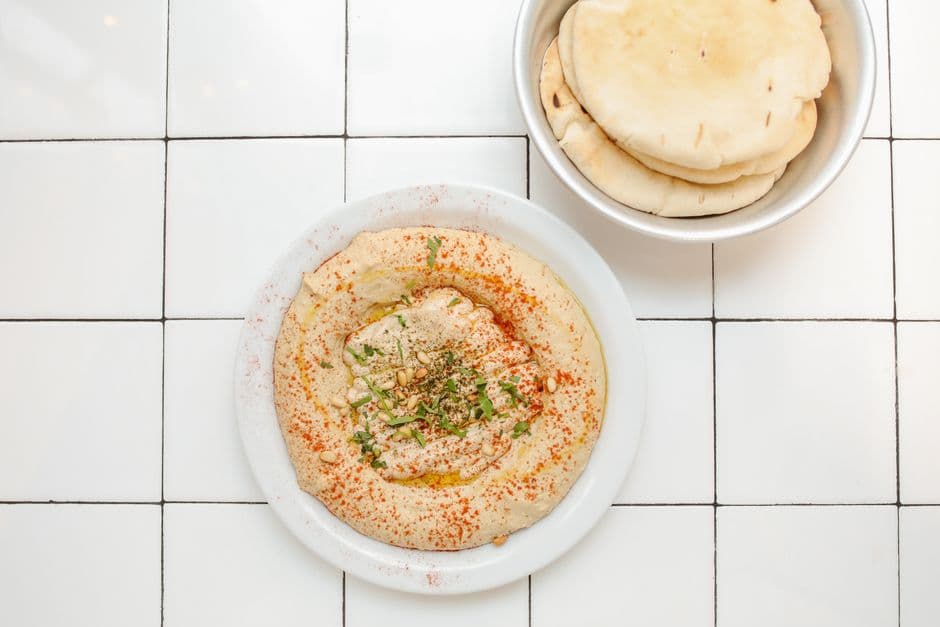
Warm, silky hummus topped with whole chickpeas, paprika, cumin and olive oil — the Israeli way, served with fresh bread for an iconic breakfast.
Prep
20 min
Cook
10 min
Servings
4
Difficulty
Easy
★★★★★
4.9(3,210 ratings)#hummus#masabacha#israeli#chickpeas#levant#breakfast
About This Recipe
Masabacha (also called msabbaha) is hummus at its most alive: freshly made warm hummus topped with whole cooked chickpeas that have been quickly sautéed with garlic and cumin, drizzled with good olive oil, scattered with paprika and served with fresh pita or bread. It is eaten throughout Israel and the Levant as a breakfast or lunch dish, typically from simple neighbourhood restaurants called hummusiyas that open early and serve only until the hummus runs out. The difference between masabacha and standard hummus is texture and temperature — the warmth and the combination of smooth and whole chickpeas creates an entirely different and superior eating experience. In Israel, where you eat your hummus (and from which hummusia) is a matter of fierce personal loyalty.
Ingredients
Serves 4
- 400 gdried chickpeas(soaked overnight, or 2 tins drained)
- 1 teaspoonbicarbonate of soda(for soaked chickpeas)
- 100 gtahini
- 2lemons(juice only)
- 4 clovesgarlic
- 1 teaspoonsalt
- 4 tablespoonsextra virgin olive oil
- 1 teaspoonground cumin
- 1 teaspoonpaprika
- 100 gextra cooked chickpeas(whole, for topping)
- 2 clovesgarlic(sliced, for the topping)
Instructions
- 1
Cook the chickpeas
Drain soaked chickpeas. Cook in fresh water with bicarbonate of soda for 60–90 minutes until very soft — much softer than you think you need. Reserve the cooking liquid.
Very soft chickpeas are the secret to ultra-smooth hummus. They should crush between your fingers with no resistance.
- 2
Blend the hummus
While still warm, blend most of the cooked chickpeas (reserve a handful for topping) with tahini, lemon juice, garlic, salt and ice-cold water until completely smooth and silky. The ice water is essential for lightness. Blend for 3–4 minutes. Taste and adjust.
- 3
Make the masabacha topping
Warm olive oil in a small pan. Fry sliced garlic until golden. Add whole reserved chickpeas, cumin and a pinch of salt. Toss briefly to warm through.
- 4
Serve warm
Spread warm hummus in shallow bowls. Spoon the warm chickpea topping over the centre. Drizzle generously with olive oil, scatter paprika and serve immediately with warm bread.
Pro Tips
- →
Warm hummus is categorically different from cold hummus — the flavour opens up completely.
- →
Use the best olive oil you own — it is the most important finishing ingredient.
- →
Ice-cold water added during blending creates a lighter, fluffier texture.
- →
Taste and adjust salt at the very end — flavors concentrate as liquids reduce, and a final pinch of flaky salt sharpens the whole dish.
Variations
- •
Add a soft-boiled egg, fresh herbs or ful medames (cooked fava beans) on top.
- •
Spicy masabacha: add harissa or zhug (green chilli sauce) to the topping.
- •
Vegetarian: swap the protein for roasted king oyster mushrooms, smoked tofu or cooked chickpeas — adjust seasoning slightly upward to compensate.
- •
Spicier: add a finely chopped fresh chile or a teaspoon of crushed Aleppo/Urfa pepper to the aromatics for warm, layered heat instead of a single sharp hit.
Storage
Hummus keeps refrigerated for 5 days. Always serve warm — reheat gently with a splash of water.
History & Origin
Hummus has been eaten across the Levant for centuries, with documented recipes from 13th-century Arab cookbooks. Masabacha is a specific Levantine preparation of hummus that became particularly associated with Israeli Arab and Jewish-Arab food culture, especially in cities like Tel Aviv, Acre and Jerusalem. The intense competition between hummusiyas (hummus restaurants) has made hummus a matter of serious culinary pride in Israel, with debates about origins, technique and ownership continuing to this day.
Frequently Asked Questions
Can I use tinned chickpeas?
Yes — drain and rinse, then simmer for 20 minutes to soften further before blending. The result is slightly less silky than freshly cooked chickpeas but still very good.
Can I make this ahead of time?
Yes — most of the components can be prepared up to a day in advance and refrigerated separately. Reheat gently and assemble just before serving so textures stay distinct.
What can I substitute if I don't have all the ingredients?
Stay close to the role each ingredient plays: swap aromatics for similar ones (shallot for onion, lime for lemon), and keep the fat-acid-salt balance intact. Spice blends can usually be approximated with what's in the cupboard.
How do I know it's authentic?
Authenticity sits on a spectrum — what matters more is honoring the technique and balance of flavors. If the dish tastes harmonious and respects how cooks in its home region would build it, you're on solid ground.
Nutrition Facts
Per serving (280g / 9.9 oz) · 4 servings total
Calories420kcal
Protein18g
Carbohydrates48g
Fat18g
Fiber12g
Protein18g
Carbs48g
Fat18g
Time Summary
Prep time20 min
Cook time10 min
Total time30 min
Have Questions?
Ask our AI cooking assistant anything about this recipe — substitutions, techniques, scaling.
Chat with AI Chef →Featured in Guides
This recipe is featured in the following curated guides:
More Israeli Recipes
Community
Join the conversation
Sign in to leave a comment and save your favourite recipes