
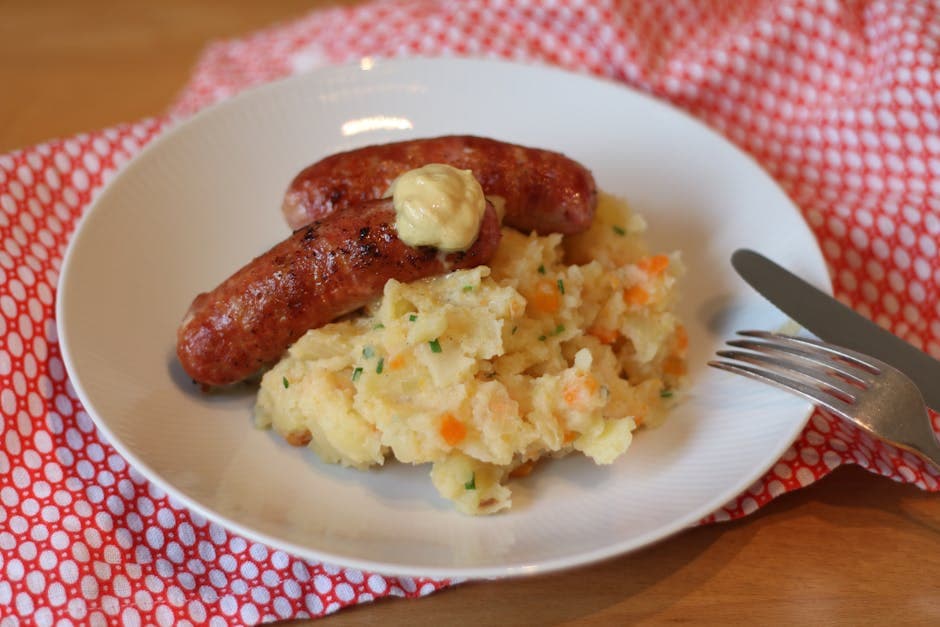
Hutspot (Dutch Carrot and Onion Mash)
Netherlands' second great stamppot — carrots, onions and potatoes boiled together and mashed into a rough, sweet-savoury orange mash. Eaten on October 3rd to commemorate the liberation of Leiden.
About This Recipe
Hutspot is the second pillar of Dutch stamppot tradition alongside boerenkool and is the dish eaten throughout the Netherlands on October 3rd — the national Leiden Relief Day, commemorating the Spanish siege of Leiden in 1574. Legend says that when the Spanish army retreated, they left behind a pot of hutspot — the Leiden citizens found it and ate it, breaking a months-long famine. Whether true or not, the dish has been eaten on this date for 450 years. Unlike boerenkool (which is green), hutspot is orange-gold from the carrots and naturally sweet. It is traditionally served with beef ribs (klapstuk) slow-braised in the same cooking water.
Ingredients
Serves 4
- 800 gfloury potatoes(peeled and quartered)
- 400 gcarrots(peeled and sliced 2cm thick)
- 2large onions(roughly diced)
- 50 gbutter
- 100 mlwarm milk
- 1 tspsalt
- 0.5 tspblack pepper
- 0.5 tspgrated nutmeg
- 4beef short ribs or braising steak(optional, braised separately in stock)
Instructions
- 1
Boil together
Place potatoes, carrots and onions in a large pot. Cover with salted water. Bring to a boil and cook 25–30 min until everything is completely soft.
- 2
Drain and mash
Drain very thoroughly. Return to pot over low heat for 1 min to steam off excess moisture. Add butter, warm milk, salt, pepper and nutmeg. Mash roughly — hutspot should have visible pieces of carrot and onion, not be smooth.
A potato masher gives the correct rough texture. A food processor produces an uncharacteristically smooth result.
- 3
Taste and finish
Taste and adjust salt. The carrot sweetness should come through clearly.
- 4
Serve
Mound hutspot on plates. Top with braised beef rib if serving with meat. Pour any meat braising juices over the mash as a gravy.
Did you make this?
Rate it and help other cooks find the recipes that actually work.
One tap to sign in, and we'll save the rating you just picked.
Everything you need to plan your week — free
- Meal calendar
- Grocery list
- AI recipe ideas
Track what you eat
Snap your meal to log calories and macros, run fasting timers and track water in the free SnapCal app.
Pro Tips
- →
The carrots and onions must be fully soft — underdone chunks in the mash is a common error.
- →
Nutmeg is the defining seasoning of Dutch mashed potato dishes — use it generously.
- →
Taste and adjust salt at the very end — flavors concentrate as liquids reduce, and a final pinch of flaky salt sharpens the whole dish.
- →
Mise en place pays for itself: chop, measure and pre-mix everything before the heat goes on, especially for any step that moves fast.
Variations
- •
Add parsnip alongside carrots for a more complex sweetness
- •
Stamppot met worst: add sliced smoked sausage on top
- •
For a richer version, replace half the milk with double cream
- •
Vegetarian: swap the protein for roasted king oyster mushrooms, smoked tofu or cooked chickpeas — adjust seasoning slightly upward to compensate.
Storage
Keeps 3 days refrigerated. Add a splash of milk when reheating to restore the consistency.
History & Origin
Hutspot is documented in Dutch sources from the 16th century. The Leiden Relief legend (1574) gave it a patriotic dimension that ensured its survival as a cultural tradition. The dish's combination of potato, carrot and onion reflects the classic Dutch vegetable garden of the Golden Age period (17th century) when these crops were staples of every household.
Frequently Asked Questions
What is the difference between hutspot and boerenkool stamppot?
Hutspot uses carrot and onion for a sweet, orange-golden mash. Boerenkool uses curly kale for a darker, more bitter, green-flecked result. Both are stamppots (vegetables mashed into potato) but the flavour profile, colour and traditional accompaniments differ significantly. Hutspot is sweeter; boerenkool is more robust and savoury.
Can I make this ahead of time?
Yes — most of the components can be prepared up to a day in advance and refrigerated separately. Reheat gently and assemble just before serving so textures stay distinct.
What can I substitute if I don't have all the ingredients?
Stay close to the role each ingredient plays: swap aromatics for similar ones (shallot for onion, lime for lemon), and keep the fat-acid-salt balance intact. Spice blends can usually be approximated with what's in the cupboard.
How do I know it's authentic?
Authenticity sits on a spectrum — what matters more is honoring the technique and balance of flavors. If the dish tastes harmonious and respects how cooks in its home region would build it, you're on solid ground.
Nutrition Facts
Per serving · 4 servings total
Time Summary
Have Questions?
Ask our AI cooking assistant anything about this recipe — substitutions, techniques, scaling.
Chat with AI Chef →Featured in Guides
This recipe is featured in the following curated guides:
More Dutch Recipes
You Might Also Like
Similar dishes from other cuisines around the world.
Browse by Ingredient
More recipes built around the same core ingredients.
Free Kitchen Tools
Calculators and converters that pair with this page — no signup needed.
Put This Into a Plan
Schedule it, shop for it, and track what you already have.
Read Next
Longer reads that go deeper on the ideas behind this dish.
Community
Join the conversation
Sign in to leave a comment and save your favourite recipes