
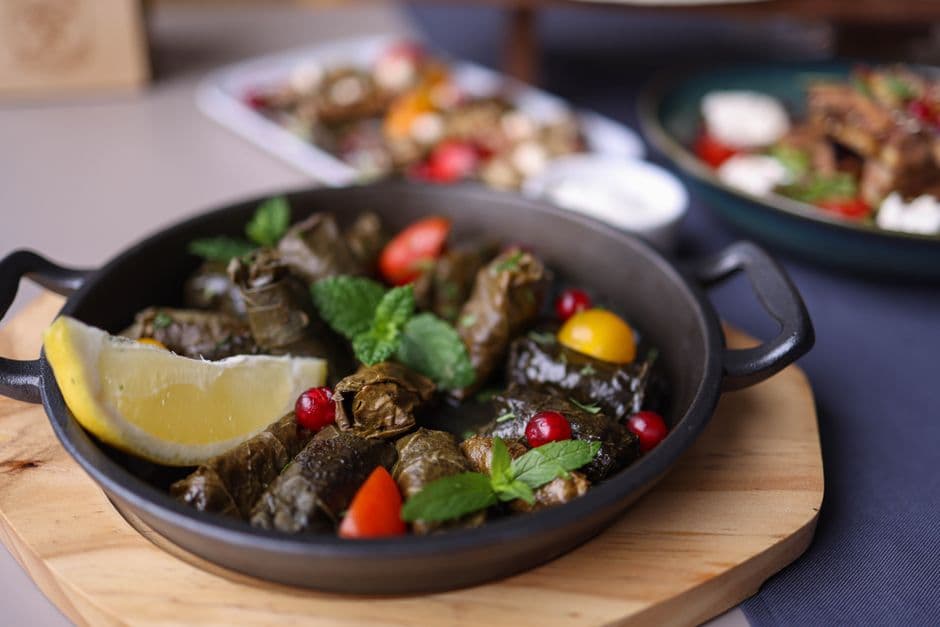
Dolma Biber Kızartması (Turkish Stuffed Pepper Bites)
Small hot green peppers stuffed with spiced white cheese and herbs, dipped in egg and fried until golden — the Turkish take on stuffed jalapeño-style bites.
About This Recipe
While jalapeño poppers are an American invention, Turkey has its own long tradition of cheese-stuffed fried peppers — particularly popular at meyhane tables and as a hot meze offering. The Turkish version uses sivri biber (long thin green peppers ranging from mild to quite hot) or the small, conical çarliston biber, filled with a mixture of crumbled beyaz peynir (white cheese), fresh dill, parsley, and dried mint, then dipped in lightly beaten egg and pan-fried in olive oil until the egg coating puffs and crisps around the softened pepper. The result is a more refined, herbaceous version of the stuffed-fried-pepper concept: less battered and heavy than a deep-fried American popper, more delicate and cheese-forward, with the savory salt of the beyaz peynir filling and the aromatic herbs giving each bite a complex flavor. The heat level is variable — Turkish peppers range from completely mild to fiercely hot, and visually they're indistinguishable, which adds an element of culinary Russian roulette to the eating experience that Turkish guests find amusing. Using a predictable jalapeño provides more control, adapted here to the Turkish technique.
Ingredients
Serves 4
- 12 wholesivri biber or jalapeño peppers(medium-sized)
- 200 gbeyaz peynir or feta cheese(crumbled)
- 2 tbspfresh dill(finely chopped)
- 2 tbspflat-leaf parsley(finely chopped)
- 1/2 tspdried mint
- 1/4 tspblack pepper
- 2 largeeggs(beaten)
- 4 tbspolive oil or vegetable oil
Instructions
- 1
Prepare the Peppers
Wearing gloves if using hot peppers, cut a lengthwise slit in each pepper from just below the stem to the tip without cutting through the sides. Carefully remove seeds with a small spoon (keeping seeds makes the filling hotter; removing them reduces heat significantly). Pat dry with kitchen paper.
For jalapeños, always wear gloves — the capsaicin transfers to hands and causes burning if you touch your eyes.
- 2
Make the Cheese Filling
Mix crumbled beyaz peynir with dill, parsley, dried mint, and black pepper. Taste — the cheese is salty, so additional salt is usually unnecessary. The filling should be cohesive enough to hold in the pepper.
- 3
Stuff the Peppers
Fill each pepper generously with the cheese mixture, pressing it in firmly through the slit. Don't overfill — leave a small gap so the slit can close slightly around the filling. Press the slit closed gently around the filling.
- 4
Dip and Fry
Beat the eggs in a shallow bowl. Heat the oil in a non-stick pan over medium heat. Dip each stuffed pepper into the beaten egg, coating all sides. Fry in batches for 2-3 minutes per side until the egg coating is golden and the pepper has softened slightly.
- 5
Drain and Serve
Drain on kitchen paper for 1 minute. Serve hot as a meze alongside cacık (yogurt with cucumber) and Turkish bread.
Did you make this?
Rate it and help other cooks find the recipes that actually work.
One tap to sign in, and we'll save the rating you just picked.
Everything you need to plan your week — free
- Meal calendar
- Grocery list
- AI recipe ideas
Track what you eat
Snap your meal to log calories and macros, run fasting timers and track water in the free SnapCal app.
Pro Tips
- →
Always wear gloves when handling hot peppers and seeding — capsaicin is persistent and causes burns if transferred to eyes or sensitive skin.
- →
Use beyaz peynir rather than feta if possible — it has a milder flavor that allows the herbs to shine, whereas feta's tang can dominate.
- →
Don't rush the frying — medium heat gives the egg coating time to set properly without burning; high heat burns the egg before the pepper softens.
Variations
- •
Fırında: brush with olive oil instead of egg, stuff with cheese, and bake at 200°C for 15-20 minutes for a lighter result.
- •
Etli: mix 50g of cooked, crumbled ground lamb into the cheese filling for a heartier version.
- •
Kaşar peyniri: substitute beyaz peynir with grated kaşar for a more melty, richer filling.
Storage
Stuffed fried peppers are best eaten immediately. Raw stuffed (pre-fried) peppers can be refrigerated for 24 hours. Leftovers reheat in a dry pan over medium heat.
History & Origin
The tradition of stuffing and frying peppers in Turkey parallels the broader Mediterranean and Middle Eastern love of dolma (stuffed vegetables). Turkey adopted the chili pepper following its introduction from the Americas in the 16th century, and peppers rapidly became integral to Turkish cuisine. Cheese-stuffed fried pepper preparations appear in 19th-century and early 20th-century Turkish cookbooks and remain a standard meyhane meze offering.
Frequently Asked Questions
How do I control the heat level?
For predictable heat, remove all seeds and membranes (where capsaicin is concentrated) from the peppers before stuffing. The seeds hold most of the heat; the outer walls of the pepper have much less. For a completely mild result, use long sweet green peppers (çarliston biber) rather than hot varieties.
Can I make these without frying?
Yes — bake them on an oiled tray at 200°C for 18-20 minutes, turning once. Brush with olive oil instead of the egg dip. The result is lighter with slightly softer texture and less browning, but still very good.
Nutrition Facts
Per serving (180g / 6.3 oz) · 4 servings total
Time Summary
Have Questions?
Ask our AI cooking assistant anything about this recipe — substitutions, techniques, scaling.
Chat with AI Chef →Featured in Guides
This recipe is featured in the following curated guides:
More Turkish Recipes
You Might Also Like
Similar dishes from other cuisines around the world.
Browse by Ingredient
More recipes built around the same core ingredients.
Free Kitchen Tools
Calculators and converters that pair with this page — no signup needed.
Put This Into a Plan
Schedule it, shop for it, and track what you already have.
Read Next
Longer reads that go deeper on the ideas behind this dish.
Community
Join the conversation
Sign in to leave a comment and save your favourite recipes