
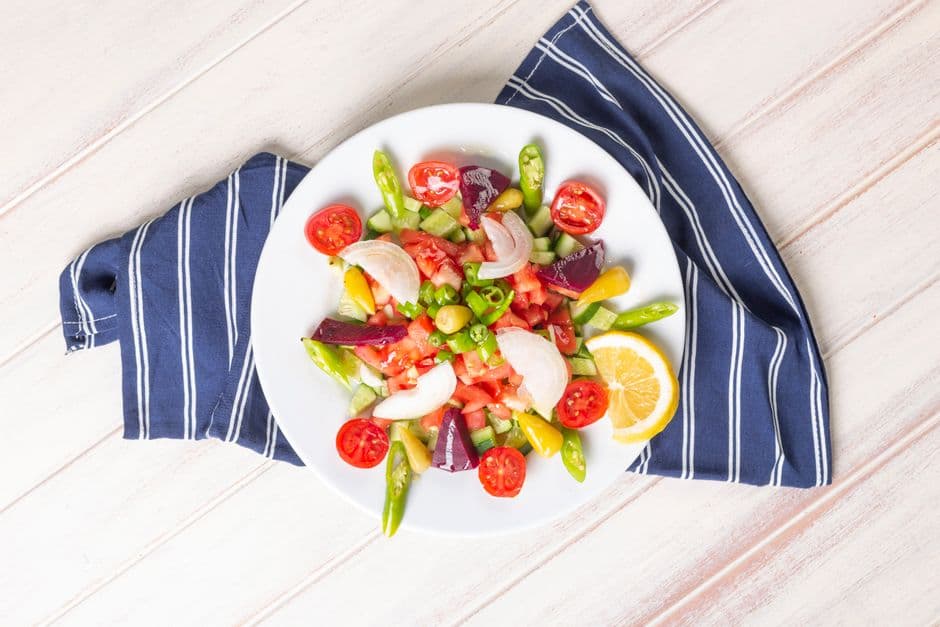
Kachumbari (East African Tomato and Onion Salad)
A bright, chile-sharp East African relish of finely diced tomatoes, red onion, cilantro, and lime — the essential accompaniment to grilled meats across Kenya, Tanzania, and Uganda.
About This Recipe
Kachumbari is East Africa's ubiquitous table salsa — a sharply seasoned, chile-fired relish of tomatoes, onion, and fresh cilantro that functions somewhere between a salad and a condiment. Found across Kenya, Tanzania, Uganda, and Rwanda (with minor regional variations), it appears at the center of any meal involving grilled meat (nyama choma), fried fish, or roasted chicken — performing the same function that Turkish çoban salatası or Mexican pico de gallo performs in their respective food cultures: cutting through rich, fatty flavors with acidity, freshness, and heat. The word 'kachumbari' is Swahili, and the relish itself reflects the Indian Ocean trade routes that shaped East African cuisine — the use of lime juice, fresh chili, and cilantro all bear the fingerprint of South Asian culinary influence that arrived with the Indian Ocean dhow trade centuries ago. Modern kachumbari typically uses lime juice for acidity (lemon as an alternative), small fresh chilies (bird's eye or small Kenyan varieties), red onion for color and bite, and abundant fresh cilantro. The vegetables are finely diced, never chunky — the goal is a spoonable relish that coats and seasons each bite of the main dish. This recipe is included in Turkish food culture through East African diaspora communities and as part of international cuisine exploration.
Ingredients
Serves 4
- 4 mediumripe tomatoes(finely diced, seeds removed)
- 1 largered onion(very finely diced)
- 1-2 wholesmall fresh green chilis(very finely minced (bird's eye or serrano))
- 1/2 bunchfresh cilantro (coriander)(finely chopped)
- 2 tbspfresh lime juice
- 1/2 tspsalt
- 1/4 tspsugar(optional, balances acidity)
Instructions
- 1
Prepare the Onion
Finely dice the red onion. To reduce sharpness, soak diced onion in cold water for 5-10 minutes, then drain thoroughly and pat dry. This step is optional but produces a more mellow result.
- 2
Dice the Tomatoes
Cut tomatoes in half, scoop out and discard the seeds and excess liquid, then finely dice the flesh. Removing seeds prevents the kachumbari from becoming too watery — it should be moist but not soupy.
- 3
Combine and Season
Mix diced tomatoes, onion, minced chili, and cilantro in a bowl. Add lime juice, salt, and optional sugar. Toss to combine. Taste and adjust — it should be sharp, bright, and spicy with good heat from the chili.
Always taste for salt and lime balance before serving — kachumbari should be aggressively seasoned compared to a European salad.
- 4
Rest Briefly and Serve
Let sit for 5 minutes before serving for the flavors to meld. Serve as a relish alongside grilled meats, fish, or as a condiment with any rich savory main. Kachumbari is served at room temperature, never chilled.
Did you make this?
Rate it and help other cooks find the recipes that actually work.
One tap to sign in, and we'll save the rating you just picked.
Everything you need to plan your week — free
- Meal calendar
- Grocery list
- AI recipe ideas
Track what you eat
Snap your meal to log calories and macros, run fasting timers and track water in the free SnapCal app.
Pro Tips
- →
Remove tomato seeds before dicing — they release water that makes the kachumbari soupy rather than crisp.
- →
The chili heat level is adjustable — start with half a bird's eye chili, taste, and add more. Kachumbari should have real heat but not be overwhelming.
- →
Make the kachumbari 15-30 minutes before serving but not much longer — the salt draws out tomato liquid over time.
Variations
- •
Tanzanian style: add finely diced cucumber and use lemon instead of lime.
- •
Avocado kachumbari: fold in diced avocado just before serving for a richer version.
- •
Mango: add finely diced unripe mango for a sweet-sharp version popular in coastal Kenya.
Storage
Kachumbari is best made fresh and consumed within an hour. Leftovers can be refrigerated for 24 hours but will become watery — drain excess liquid before serving.
History & Origin
Kachumbari has been documented in Swahili-speaking coastal East Africa since at least the 19th century, with its roots in the broader Indian Ocean trade culture that brought Indian, Arab, and Persian culinary influences to the East African coast. The use of lime, fresh chili, and cilantro all reflect these Indian Ocean exchange routes. The word itself may derive from Swahili or have South Asian linguistic roots. Kachumbari became ubiquitous throughout East and Central Africa through the spread of Swahili food culture inland during the 19th and 20th centuries.
Frequently Asked Questions
What is kachumbari served with traditionally?
In Kenya and Tanzania, kachumbari is the standard accompaniment to nyama choma (charcoal-grilled meat), fried tilapia, and roasted chicken. It functions as both a fresh salad and a relish — a pungent, acidic counterpoint to rich, fatty grilled proteins. It's also served alongside ugali (cornmeal porridge) and rice dishes.
How spicy is kachumbari supposed to be?
Traditional kachumbari has genuine heat from fresh chilis — it's not a mild salad but a boldly seasoned relish. However, heat level is adjustable. Start with one small chili (or half a bird's eye) and increase based on preference. The lime juice and tomato somewhat moderate the perceived heat.
Nutrition Facts
Per serving (100g / 3.5 oz) · 4 servings total
Time Summary
Have Questions?
Ask our AI cooking assistant anything about this recipe — substitutions, techniques, scaling.
Chat with AI Chef →Featured in Guides
This recipe is featured in the following curated guides:
More Turkish Recipes
You Might Also Like
Similar dishes from other cuisines around the world.
Browse by Ingredient
More recipes built around the same core ingredients.
Free Kitchen Tools
Calculators and converters that pair with this page — no signup needed.
Put This Into a Plan
Schedule it, shop for it, and track what you already have.
Read Next
Longer reads that go deeper on the ideas behind this dish.
Community
Join the conversation
Sign in to leave a comment and save your favourite recipes