
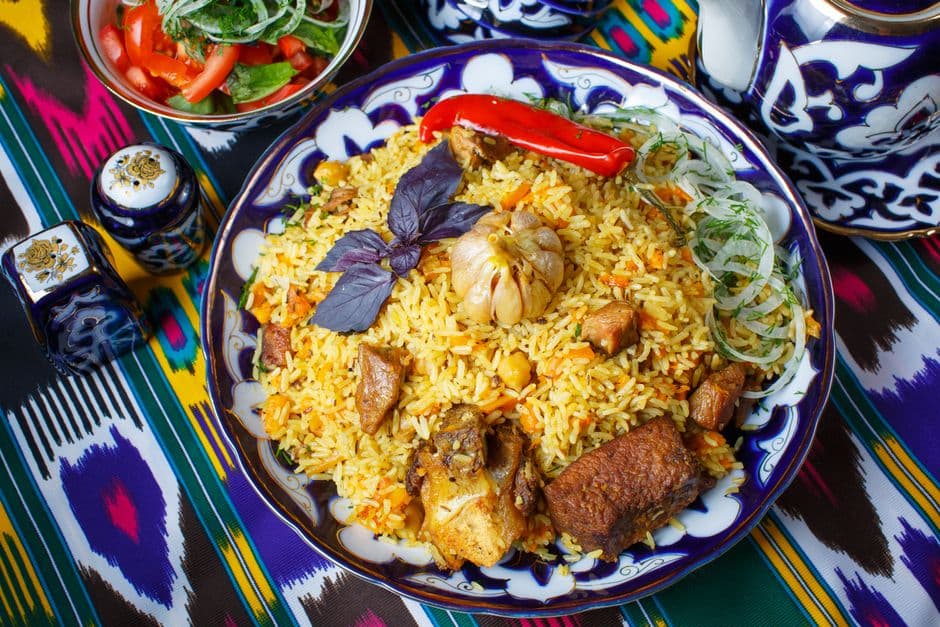
Kazakh Manty (Steamed Lamb Dumplings with Pumpkin)
Large hand-rolled steamed dumplings filled with chopped lamb, onion and sweet pumpkin, glistening with melted tail fat and served with sour cream and chilli — the Sunday celebration of the Kazakh steppe.
About This Recipe
Manty are the great steamed dumplings of Central Asia, found from western China through Uzbekistan, Kyrgyzstan and Kazakhstan to the Crimean Tatar diaspora, with each people insisting their version is the original. Kazakh manty have a particular character: they are large — about the size of a small fist — and the filling is always chopped, never ground, so the meat retains chew and the juices stay clear. The classic Kazakh filling pairs hand-diced lamb shoulder with sweet pumpkin or winter squash (a steppe ingredient long before potatoes arrived), finely diced onion in roughly equal weight to the meat (Central Asian dumpling cooks insist on this), and small pieces of lamb tail fat (kurdyuk) that melt during steaming and baste the filling from within. The dough is plain unleavened flour-and-water, rolled paper-thin, cut into squares, and folded into the characteristic Kazakh four-corner shape that opens slightly at the top to show the filling. The manty are steamed — never boiled — in a mantyshnitsa (a stacked metal steamer with perforated tiers) for 45 minutes, by which time the dough has become tender and translucent, the lamb is just cooked through, the pumpkin has melted into sweetness, and the rendered tail fat glistens on every dumpling. Served on a wide platter with sour cream, a dish of red chilli sauce or pickled chilli, and either fresh herbs or a sprinkle of dried mint, manty are the centerpiece of Sunday family lunches and any major celebration across Almaty, Astana and the Kazakh steppe.
Ingredients
Serves 6
- 600 glamb shoulder, hand-chopped into 5 mm dice (not ground)(fattier cuts give juicier dumplings)
- 100 glamb tail fat (kurdyuk), finely diced(Central Asian groceries; sub fatty bacon or extra lamb fat trimmings)
- 500 gwinter pumpkin or butternut squash, peeled and finely diced (5 mm)
- 500 gyellow onion, finely diced (about 4 medium onions)
- 1 tbspground cumin plus 1 tbsp freshly ground black pepper
- 500 gplain flour, plus 250 ml warm water and 1 tsp salt (the dough)
- 1egg (optional — gives a slightly stronger dough)
- 200 gsour cream (smetana) plus 1 bunch fresh dill or chives to serve
- sea salt, neutral oil, and red chilli sauce or pickled chillies to serve
Instructions
- 1
Make the dough
Mix flour, salt and egg in a bowl. Add the warm water gradually, mixing until a shaggy dough forms. Knead on a floured surface 10 minutes until smooth, elastic, and just slightly tacky. Wrap tightly in plastic and rest 60 minutes — gives the gluten time to relax for paper-thin rolling.
Resting transforms the dough; if you skip it, the squares will spring back when you roll them.
- 2
Hand-chop the lamb
While dough rests, hand-chop the lamb shoulder with a heavy knife into 5 mm dice — not ground, not minced, but chopped. This is laborious but essential: the texture of Kazakh manty depends on small distinct pieces of meat that hold juice. Mix with the diced tail fat in a large bowl.
- 3
Mix the filling
Add the diced pumpkin and onion to the meat — yes, that much onion; it cooks down to almost nothing and gives the filling its juiciness. Season with 2 tsp salt, the cumin and pepper. Mix thoroughly with your hands for 2 minutes. Don't add liquid — the onion and pumpkin release plenty during steaming.
- 4
Roll the dough
Divide rested dough into 4 portions. Working with one at a time (keep others wrapped), roll on a lightly floured surface to about 1.5 mm thick — almost translucent. Cut into 10 cm squares. Aim for about 24 squares total.
- 5
Fold the Kazakh four-corner
Place a heaped tablespoon (about 40 g) of filling in the centre of a square. Bring two opposite corners up over the filling and pinch them together at the top. Bring the other two corners up and pinch them to the first pair, forming a four-cornered parcel with a small opening at the very top. Then pinch the four 'side seams' together to seal. The classic Kazakh manty looks like a small open-topped pouch.
Practice on the first three — they get much easier. Tight pinching is essential or they leak.
- 6
Prepare the steamer
Lightly oil the tiers of a multi-level metal steamer (mantyshnitsa) or set bamboo steamers over a wok with simmering water. Don't crowd — manty swell when steamed and need 2 cm space between each. Arrange manty on the oiled tiers, leaving space around each.
- 7
Steam
Steam over vigorously boiling water 45 minutes. Don't lift the lid in the first 30 minutes — dough must set fully before air shocks them. After 45 minutes the dough should be translucent and tender, the filling cooked through (a small one cut open should show clear juices, soft pumpkin and just-cooked lamb), and the bottoms slightly glossy with rendered fat.
- 8
Serve on the platter
Lift manty carefully onto a wide warmed platter — they're delicate when hot. Drizzle with a tiny bit of the steaming-pan fat that has rendered out (the Kazakh chef's signature). Serve with bowls of cold sour cream, red chilli sauce, and a heap of fresh dill or chives. Eat with fingers or a small fork, sipping the juices that pool when you bite.
Did you make this?
Rate it and help other cooks find the recipes that actually work.
One tap to sign in, and we'll save the rating you just picked.
Everything you need to plan your week — free
- Meal calendar
- Grocery list
- AI recipe ideas
Track what you eat
Snap your meal to log calories and macros, run fasting timers and track water in the free SnapCal app.
Pro Tips
- →
Hand-chopping the lamb (rather than grinding) is the single most important authenticity marker for Kazakh manty — it changes the texture entirely.
- →
Use equal weights of onion and meat — Central Asian dumpling cooks all do this; the onion is what makes them juicy.
- →
Lamb tail fat (kurdyuk) is sold at Central Asian and Middle Eastern groceries; rendered duck fat or fatty bacon are passable substitutes.
- →
Never boil manty — they fall apart and lose the rendered fat that makes them special. Always steam.
Variations
- •
Pumpkin manty (qabaqli manty) — increase pumpkin to 70% of filling and reduce meat for an Uzbek-style sweeter version.
- •
Kymyz-soaked manty — splash with fermented mare's milk on serving for a deeply traditional Kazakh nomad touch.
- •
Beef manty — substitute beef chuck for lamb; less traditional but very popular with urban Kazakh families.
- •
Vegetarian manty — replace meat with finely diced potato, carrot and extra pumpkin; the dumpling structure is the same.
Storage
Uncooked filled manty freeze beautifully on a tray, then bagged — steam from frozen for 55 minutes. Cooked manty keep refrigerated 3 days; re-steam 8 minutes to revive (microwaving makes the dough rubbery). The filling itself can be made a day ahead and refrigerated.
History & Origin
Manty travelled the Silk Road from Tang Dynasty China west across Central Asia, settling among Turkic and Mongol peoples by the 13th century and reaching the Kazakh steppe with the medieval nomad confederations. The Kazakh four-corner fold and the pumpkin filling distinguish them from related Uyghur, Uzbek and Crimean versions, and they remain Kazakhstan's most beloved festival dish.
Frequently Asked Questions
Can I use a food processor for the filling?
For the onion and pumpkin yes (in short pulses, never to a paste). For the meat absolutely not — ground meat changes the entire character of the dumpling. Hand-chopping is non-negotiable for authenticity.
What if I don't have a multi-tier steamer?
Use a bamboo steamer over a wok, or improvise: a wide pot with a small wire rack and a tight lid. Steam in batches if necessary; never overcrowd.
Why so much onion?
It melts away during steaming and creates the juices that make manty famous. With less onion, manty are dry and lifeless. Trust the recipe.
Substitute for pumpkin?
Butternut squash, kabocha or even a starchy sweet potato. Avoid watery pumpkins like jack-o'-lantern types — they release too much water and split the dumplings.
Nutrition Facts
Per serving (380g / 13.4 oz) · 6 servings total
Time Summary
Have Questions?
Ask our AI cooking assistant anything about this recipe — substitutions, techniques, scaling.
Chat with AI Chef →Featured in Guides
This recipe is featured in the following curated guides:
More Kazakh Recipes
You Might Also Like
Similar dishes from other cuisines around the world.
Browse by Ingredient
More recipes built around the same core ingredients.
Free Kitchen Tools
Calculators and converters that pair with this page — no signup needed.
Put This Into a Plan
Schedule it, shop for it, and track what you already have.
Read Next
Longer reads that go deeper on the ideas behind this dish.
Community
Join the conversation
Sign in to leave a comment and save your favourite recipes