
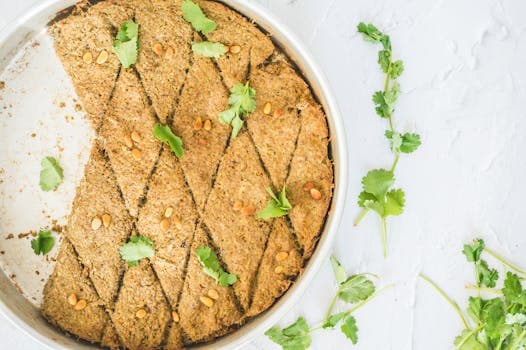
Kibbeh Nayyeh
Lebanese raw lamb tartare with bulgur, onion, and spices — a prized delicacy.
About This Recipe
Kibbeh Nayyeh is the dish by which Lebanese hospitality measures itself — impeccably fresh raw lamb pounded or ground to silk, kneaded with fine bulgur, grated onion, and warm spices, and served glistening with olive oil within hours of the butcher's morning work. It is a Sunday and feast-day dish, traditionally made only when the meat's freshness is beyond question, and eaten communally with mint leaves, scallions, and pita used as scoops. Because the lamb is served raw, sourcing and cold-chain discipline are everything: this is a dish for a trusted butcher, same-day meat, chilled equipment, and immediate serving. Done right, the texture is plush and almost creamy, the flavor sweet, peppery, and clean.
Ingredients
Serves 6
- 500 gvery lean lamb (leg), finely ground twice
- 1 cupfine bulgur wheat (#1)
- 1 smallonion, finely grated
- 1 tspLebanese seven-spice
- 1/2 tspcinnamon
- 1/2 tspsalt
- 3 tbspolive oil (for serving)
- 1 handfulfresh mint leaves
- 4spring onions
Instructions
- 1
Prepare bulgur
Cover the fine #1 bulgur with cold water and soak for 20 minutes — it should soften but keep a slight bite. Drain in a sieve, then squeeze it firmly between your palms, fistful by fistful, until no more water comes out. Wet bulgur dilutes the meat and makes the kibbeh loose and pasty.
Use only fine #1 bulgur; coarser grades never soften enough for raw kibbeh and stay gritty.
- 2
Mix
In a chilled bowl, combine the cold lamb, squeezed bulgur, grated onion, seven-spice, cinnamon, and salt. Knead firmly with cold, wet hands for 5–8 minutes, dipping your hands in ice water as you go, until the mixture is completely homogeneous, smooth, and slightly tacky — almost like a fine paste. The cold keeps the fat from smearing and the texture silky.
Keep a bowl of ice water beside you and re-wet your hands often; warmth is the enemy of both texture and safety here.
- 3
Shape and serve
Spread the kibbeh about 2 cm thick on a chilled serving plate, smoothing the surface with wet hands, then press decorative ridges across it with your fingertips or the side of your hand. Flood the surface generously with olive oil and serve immediately — never let it sit at room temperature — with mint leaves, spring onions, and fresh pita for scooping.
Did you make this?
Rate it and help other cooks find the recipes that actually work.
One tap to sign in, and we'll save the rating you just picked.
Everything you need to plan your week — free
- Meal calendar
- Grocery list
- AI recipe ideas
Track what you eat
Snap your meal to log calories and macros, run fasting timers and track water in the free SnapCal app.
Pro Tips
- →
Food safety first: this dish is raw meat. Buy same-day lamb from a trusted butcher, tell them it is for kibbeh nayyeh, keep everything refrigerated until the last moment, and serve within a couple of hours. It is not suitable for pregnant women, young children, the elderly, or anyone immunocompromised.
- →
Ask the butcher to trim every trace of fat and sinew and grind the lean leg meat twice through the fine plate — or pulse it in a chilled food processor at home.
- →
Chill the bowl, the plate, and even the bulgur; every component should be fridge-cold when you start kneading.
- →
Grate the onion rather than chopping it so it disappears into the meat and seasons it evenly with its juice.
- →
Serve generous olive oil over the top — it is not garnish but a structural part of the dish, mellowing the raw meat.
Variations
- •
Kammouneh-style: knead in the southern-Lebanese spice paste of dried mint, marjoram, basil, chili, and extra cumin for an herbal, fiery version.
- •
Beef kibbeh nayyeh: use impeccably fresh lean beef tenderloin or top round, a common substitution where lamb is hard to source.
- •
Frakeh: increase the bulgur ratio for a grain-forward version traditional in parts of southern Lebanon.
- •
Cooked alternative: shape the same mixture into patties and pan-fry or grill them — kibbeh meshwiyyeh — for guests who prefer cooked meat.
Storage
Kibbeh nayyeh must be eaten the day it is made, ideally within 2 hours of mixing, and never left out of the fridge for more than brief serving periods. Do not store or freeze it raw; knead any leftovers into patties and cook them through the same day.
History & Origin
Kibbeh in its many forms is often called the national dish of Lebanon, and the raw version is its oldest and most ceremonial expression, historically pounded by hand with meat and bulgur in a stone mortar (jorn) — a sound that once announced Sunday in mountain villages. Variants of raw kibbeh are shared across Lebanon and Syria, with the southern Lebanese kammouneh tradition adding its own herb-and-spice identity. Serving it remains a gesture of trust and abundance: the freshest meat, offered without the disguise of fire.
Frequently Asked Questions
Is it safe to eat raw lamb?
Raw meat always carries some risk, which is why tradition surrounds this dish with strict rules: same-day meat from a trusted butcher, scrupulously clean and cold equipment, immediate serving, and no leftovers. Whole-muscle lamb ground fresh in front of you is far safer than pre-ground supermarket meat. Vulnerable groups — pregnant women, children, elderly, immunocompromised — should not eat it.
Can I use supermarket ground lamb?
No — pre-ground meat is the wrong choice for any raw preparation, because grinding distributes surface bacteria throughout the meat and you cannot verify when it was ground. Buy a whole piece of lean leg, have the butcher trim and double-grind it while you wait, or grind it yourself in a chilled processor, and use it the same day.
What do I do with leftovers?
Never keep kibbeh nayyeh raw overnight. The traditional solution is delicious: knead the leftover mixture briefly, form it into small patties or torpedo shapes, and pan-fry, grill, or bake them the same day until cooked through. Cooked kibbeh patties then keep 2–3 days refrigerated and are excellent in pita with yogurt.
What is the right meat-to-bulgur ratio?
Lebanese families argue about this endlessly, but a common starting point is roughly 2 parts meat to 1 part soaked bulgur by volume, as in this recipe. More meat gives a richer, silkier kibbeh prized in the north; more bulgur gives a lighter, more economical version. The mixture should hold together smoothly without tasting grainy.
Nutrition Facts
Per serving (200g / 7.1 oz) · 6 servings total
Time Summary
Have Questions?
Ask our AI cooking assistant anything about this recipe — substitutions, techniques, scaling.
Chat with AI Chef →More Lebanese Recipes
You Might Also Like
Similar dishes from other cuisines around the world.
Browse by Ingredient
More recipes built around the same core ingredients.
Free Kitchen Tools
Calculators and converters that pair with this page — no signup needed.
Put This Into a Plan
Schedule it, shop for it, and track what you already have.
Read Next
Longer reads that go deeper on the ideas behind this dish.
Community
Join the conversation
Sign in to leave a comment and save your favourite recipes