
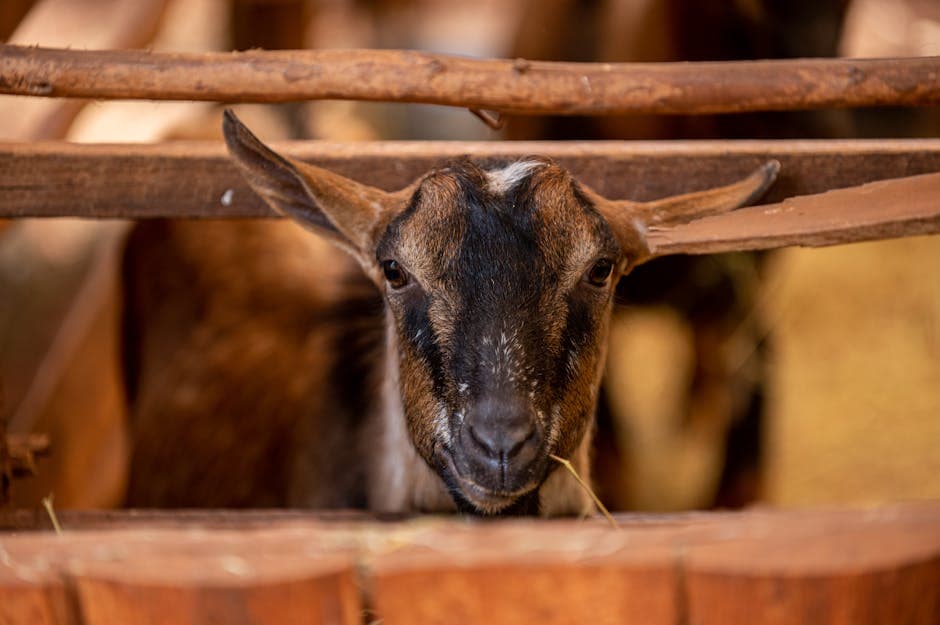
Nyama Choma (Kenyan Roasted Goat)
Kenya's beloved roasted meat: bone-in goat slow-grilled over charcoal until char-crusted outside, juicy inside, served with kachumbari and ugali.
About This Recipe
Nyama choma — Swahili for 'roasted meat' — is Kenya's national pastime as much as it is a dish. Bone-in goat, usually leg or shoulder, is marinated very simply with salt, garlic, lemon, and sometimes a little oil, then slow-grilled over hardwood charcoal for two hours, turned constantly, until the exterior is crackling and the meat pulls cleanly off the bone. It is sliced at the table by the host with a heavy knife, dropped onto a wooden board, and eaten with the fingers along with kachumbari (raw tomato-onion-chili salad), pili-pili sauce, and ugali (maize porridge). Every Kenyan weekend revolves around it: families gather at choma joints in Nairobi, Mombasa, and Kisumu, choose a piece off the rack, and wait while the grill master takes care of it. The simplicity is the point — the meat must speak for itself.
Ingredients
Serves 6
- 2 kgbone-in goat leg or shoulder, cut into large pieces (or substitute lamb)
- 6 clovesgarlic, crushed
- 1 tbspfresh ginger, grated
- 2lemons, juiced (and zest of 1)
- 2 tbspneutral oil
- 1 tbspfine salt
- 2 tspblack pepper
- 1 tspsmoked paprika (optional, for color)
- 1 tspground coriander
- 0.5 tspcayenne pepper (optional)
- 200 mlbeer or warm water, for basting
- 4 ripetomatoes (for kachumbari), finely diced
- 1 smallred onion (for kachumbari), finely diced
- 1green chili (for kachumbari), minced
- 1 bunchfresh coriander (for kachumbari), chopped
- 1lime (for kachumbari), juiced
Instructions
- 1
Marinate the goat
In a large bowl, combine the goat with garlic, ginger, lemon juice and zest, oil, salt, pepper, paprika, coriander, and cayenne if using. Massage thoroughly so every piece is coated. Cover and refrigerate at least 2 hours, ideally overnight.
- 2
Build the fire
Light a hardwood-charcoal grill and bank the coals to one side for a two-zone fire. The cool side should be around 150°C; the hot side hot enough to sear briefly. Allow the coals to ash over completely before cooking — no live flames.
Use lump hardwood charcoal, not briquettes; the smokier wood-char flavor is everything in nyama choma.
- 3
Sear
Place the goat over the hot side and sear 3–4 minutes per side until well marked, then move to the cool side.
- 4
Slow-roast
Cover the grill, or tent loosely with foil. Roast on the cool side 90 minutes total, turning every 15 minutes and basting with beer or warm water to prevent drying.
- 5
Make kachumbari
While the meat roasts, combine diced tomato, red onion, chili, coriander, and lime juice with a pinch of salt. Toss and let stand 20 minutes for the flavors to marry.
- 6
Char and rest
In the last 10 minutes, return the goat to the hot side for a final char on every face — this is the crackling, dark crust that defines nyama choma. Pull when the meat reaches 88–90°C internally, rest 10 minutes.
- 7
Cut and serve
Carve the goat on a thick wooden board, slicing across the grain into bite-size pieces with some char on every cut. Serve straight from the board, family-style, with kachumbari and ugali.
Did you make this?
Rate it and help other cooks find the recipes that actually work.
One tap to sign in, and we'll save the rating you just picked.
Everything you need to plan your week — free
- Meal calendar
- Grocery list
- AI recipe ideas
Track what you eat
Snap your meal to log calories and macros, run fasting timers and track water in the free SnapCal app.
Pro Tips
- →
Goat needs slow, gentle cooking — it dries out fast on direct high heat. Two-zone grilling is the standard Kenyan technique for a reason.
- →
Resist heavy marinades — Kenyan nyama choma uses very few flavorings on purpose so the smoke and meat shine. Avoid anything sugar-based, which burns.
- →
Carve only at serving time; pre-sliced meat loses its juices on the board fast.
Variations
- •
Lamb choma: substitute bone-in lamb shoulder for goat; reduce cook time by 20 minutes since lamb is more tender.
- •
Mbuzi choma: a variant using older goat (mbuzi), which requires marinating overnight and slower cooking — preferred by purists.
- •
Beef choma: thick rump or short ribs work, but cook to 90°C internal and rest a full 15 minutes.
Storage
Best eaten hot off the grill. Refrigerate leftovers up to 3 days; reheat wrapped in foil at 180°C for 12 minutes. Shredded leftover choma makes excellent filling for sandwiches.
History & Origin
Nyama choma's open-fire roasted-meat tradition predates Kenyan independence and is rooted in the pastoral practices of the Maasai, Kalenjin, and Kikuyu communities. It became a ubiquitous urban social ritual in the 1960s and 70s with the rise of dedicated choma joints in Nairobi's Carnivore and Kenyatta-era butcheries, and is now Kenya's most-recognized food internationally.
Frequently Asked Questions
Can I make it in the oven?
Yes — sear hard in a hot cast-iron pan, then roast covered at 150°C for 90 minutes. You'll miss the wood-smoke, but the texture is excellent. Finish under the broiler for char.
How do I know it's done?
Insert a thermometer into the thickest part — 88–90°C is the Kenyan ideal for tender, slightly-pulled goat. Lower and it's tough; higher and it dries.
Is goat tough?
Goat from an older animal is tough if cooked fast. Done low and slow, it's juicier than lamb. Young goat (kid) is naturally tender and forgiving.
What's the best side?
Kachumbari and ugali are the canonical pairing. Ugali (a stiff maize porridge) is rolled into balls and used as a scoop — the simple starch is the perfect foil for the smoky meat.
Nutrition Facts
Per serving (320g / 11.3 oz) · 6 servings total
Time Summary
Have Questions?
Ask our AI cooking assistant anything about this recipe — substitutions, techniques, scaling.
Chat with AI Chef →More Kenyan Recipes
You Might Also Like
Similar dishes from other cuisines around the world.
Free Kitchen Tools
Calculators and converters that pair with this page — no signup needed.
Put This Into a Plan
Schedule it, shop for it, and track what you already have.
Read Next
Longer reads that go deeper on the ideas behind this dish.
Community
Join the conversation
Sign in to leave a comment and save your favourite recipes