
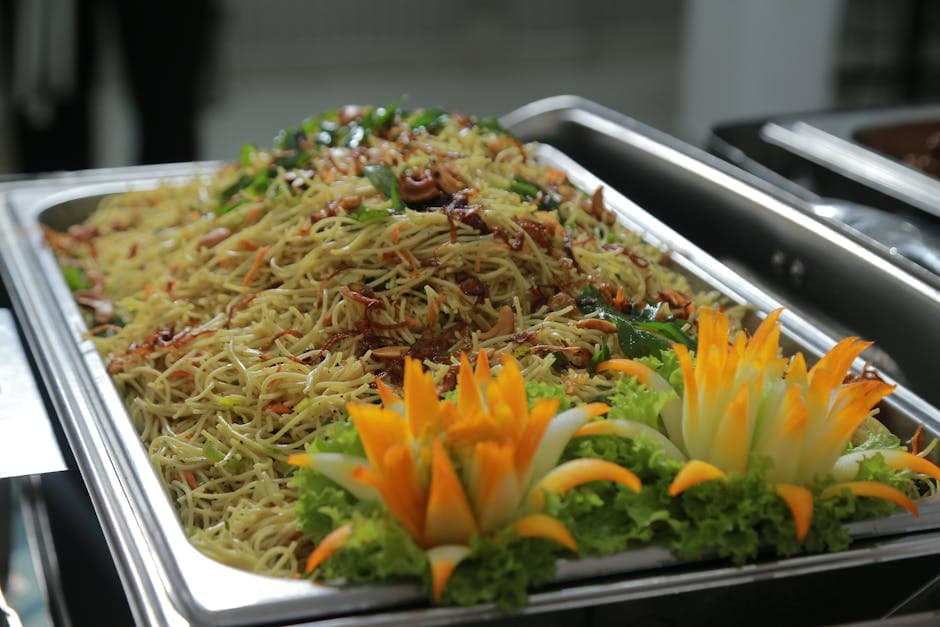
Kottu Roti (Sri Lankan Street-Style Chopped Roti)
Sri Lanka's iconic street food — shredded godhamba roti chopped on a hot griddle with vegetables, egg and curry, set to the rhythm of clanging metal cleavers.
About This Recipe
Kottu roti is the unmistakable sound of a Sri Lankan night market: the metallic clang-clang-clang of two flat cleavers chopping in rhythm on a heavy steel griddle, audible blocks away. The dish is built from godhamba roti — a thin, slightly stretchy flatbread similar to Malaysian roti canai — shredded into ribbons and stir-fried hot and fast with curry leaves, onion, leek, carrot, green chili, garlic, ginger, egg and a generous splash of curry sauce, typically leftover chicken or vegetable curry the cook keeps simmering in a pot beside the griddle. The cleavers do all the work: chopping and tossing the roti, scraping caramelized bits off the steel, mixing in the egg as it sets. Within four minutes a plate of crispy-soft, sauce-soaked, savory, faintly spicy noodle-like goodness is on a banana leaf in front of you, sometimes topped with cheese, sometimes finished with another ladle of curry. Made at home with thick paratha or naan as a substitute, kottu becomes a fast, brilliant way to use leftover curry. The dish is a Sri Lankan student-and-late-night staple, and once you've eaten it on a Colombo sidewalk at 11 p.m., you understand why no Sri Lankan kitchen feels complete without that clanging soundtrack.
Ingredients
Serves 4
- 4frozen paratha or large flour tortillas, lightly toasted and shredded into 1 cm ribbons (or 6 fresh godhamba roti)
- 3 tbspneutral oil
- 1 sprigfresh curry leaves (or 1 tsp dried)
- 1 smallcinnamon stick
- 1onion, sliced
- 1 smallleek, sliced (white and pale green only)
- 1carrot, julienned
- 2green chilies, sliced
- 4garlic cloves, minced
- 1 thumbginger, minced
- 1 tspSri Lankan curry powder (or garam masala plus 1/4 tsp turmeric)
- 300 gleftover chicken curry, vegetable curry or chickpea curry, with sauce
- 3eggs, lightly beaten
- 2 tbspsoy sauce
- salt and pepper, cilantro and lime to finish
Instructions
- 1
Prep the roti
Toast the parathas in a dry skillet over medium heat 30 seconds per side just to soften (don't brown). Stack and shred with a knife or scissors into 1 cm ribbons. Roti must be at room temperature for kottu — cold roti tears clumsily.
- 2
Heat the griddle
Set a large wok, flat-top griddle or wide cast-iron pan over high heat. The pan must be very hot — kottu cooks fast and hot, never stewed. Add the oil and let it shimmer.
- 3
Bloom the aromatics
Drop the curry leaves and cinnamon into the oil — they'll pop and crackle. Add the onion, leek, carrot, green chili, garlic and ginger. Stir-fry 2–3 minutes until the onion softens at the edges but keeps some bite.
- 4
Add the curry and curry powder
Pour in the leftover curry with its sauce and the curry powder. Stir-fry 1 minute to evaporate excess liquid — kottu should be moist, not soupy. The curry's existing seasoning carries the dish.
- 5
Push and add egg
Push the contents to one side of the pan. Pour the beaten egg into the empty side and scramble for 30 seconds until just set, then mix into the main contents.
Eggs scrambled separately keep their fluffy texture instead of just coating the roti.
- 6
Add the roti and chop
Pile the shredded roti into the pan. Now the iconic move: with two metal spatulas (or one spatula and a wooden spoon), chop and toss aggressively for 2–3 minutes. The rhythm should be steady — chop-chop-chop-fold, chop-chop-chop-fold. The roti absorbs sauce and develops crispy edges where it touches the pan.
- 7
Season and finish
Splash in the soy sauce, taste, adjust salt and pepper. Continue chopping and tossing 1 more minute. The kottu is done when the roti is sauce-stained but still has bite and you see crispy bits forming.
- 8
Serve
Pile onto plates or banana-leaf squares. Top with chopped cilantro and a wedge of lime. Optional: a second small ladle of hot curry poured over the top — Colombo-style 'pol kottu' service.
Did you make this?
Rate it and help other cooks find the recipes that actually work.
One tap to sign in, and we'll save the rating you just picked.
Everything you need to plan your week — free
- Meal calendar
- Grocery list
- AI recipe ideas
Track what you eat
Snap your meal to log calories and macros, run fasting timers and track water in the free SnapCal app.
Pro Tips
- →
Use frozen paratha (Kawan brand is widely available) for the closest texture to godhamba — fresh tortillas work but are softer.
- →
The pan MUST be hot — if you smell stewing, raise the heat. Kottu is a stir-fry, not a sauté.
- →
Use whatever leftover curry you have — chicken, dal, chickpea, vegetable. The more flavorful the curry, the better the kottu.
- →
For the cheese-and-egg 'cheese kottu' favored by Sri Lankan teenagers, fold in 100 g grated processed cheese with the eggs.
Variations
- •
Cheese kottu — add 100 g cheddar or processed cheese with the eggs for a melty, gooey version.
- •
Vegetarian kottu — skip chicken curry; use a thick lentil dal or potato-pea curry as the sauce base.
- •
Pol kottu — finish with a generous extra ladle of curry sauce so the kottu is wetter, almost like a curry-noodle hybrid.
- •
Seafood kottu — stir in cooked prawns or flaked smoked fish at step 5.
Storage
Best fresh — the texture suffers in the fridge but flavor survives. Refrigerate up to 2 days; reheat in a hot skillet with a splash of water, never the microwave. Do not freeze.
History & Origin
Kottu roti originated in eastern Sri Lanka in the mid-20th century as a way to use up day-old godhamba roti and leftover curry. By the 1970s it had spread to Colombo street stalls, and the rhythmic chopping became part of the city's nightlife soundscape. UNESCO has informally cited the sound as one of Asia's recognizable urban audio signatures.
Frequently Asked Questions
What can I use instead of paratha?
Any soft flatbread works: roti canai, naan, large flour tortillas, even crusty pita. Avoid corn tortillas — too brittle.
Can I make it without leftover curry?
Yes — mix 200 ml coconut milk with 2 tsp curry powder, 1 tbsp tomato paste and a splash of soy as a quick sauce. Not traditional but works.
Why two spatulas?
Authenticity and efficiency — Sri Lankan kottu chefs use two heavy steel cleavers (called 'kottu blades') and the rhythmic sound is part of the dish's identity. At home, two metal spatulas work fine.
Is it very spicy?
Medium-spicy as authentic, but easy to dial down — use one green chili and mild curry powder. The dish should warm you, not burn you.
Nutrition Facts
Per serving (380g / 13.4 oz) · 4 servings total
Time Summary
Have Questions?
Ask our AI cooking assistant anything about this recipe — substitutions, techniques, scaling.
Chat with AI Chef →Featured in Guides
This recipe is featured in the following curated guides:
More Sri-lankan Recipes
You Might Also Like
Similar dishes from other cuisines around the world.
Browse by Ingredient
More recipes built around the same core ingredients.
Free Kitchen Tools
Calculators and converters that pair with this page — no signup needed.
Put This Into a Plan
Schedule it, shop for it, and track what you already have.
Read Next
Longer reads that go deeper on the ideas behind this dish.
Community
Join the conversation
Sign in to leave a comment and save your favourite recipes