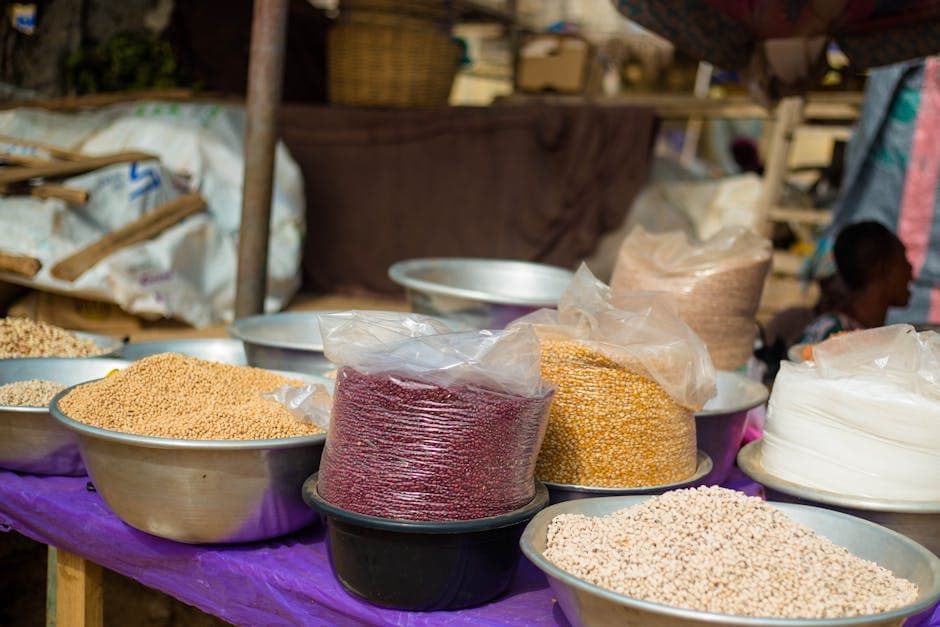
Kurt are small, hard, intensely salty balls of dried sour milk that have been a nomadic staple across Central Asia for millennia. They are made by draining fermented milk, seasoning with salt, rolling into balls and drying in the sun. They keep for months without refrigeration and were essential provisions for Kazakh nomads on long journeys. Today they are still sold at every Kazakh market and eaten as snacks, crumbled into soup, or dissolved in water.
Serves 10
Line a colander with muslin or a clean cloth. Pour in yoghurt and allow to drain for 12–24 hours in the fridge until very thick and dry — like a firm paste.
Knead salt thoroughly into the drained yoghurt (suzme). The mixture should be quite salty.
Roll into small balls the size of a large marble or shape into ovals.
Place on a rack or tray in a warm, dry place (or a very low oven, 50°C) for 24–48 hours until hard and dry throughout.
Kurt are ready when they are hard all the way through. Store in a cloth bag at room temperature for months.
Everything you need to plan your week — free
Cook this hands-free
Get AI meal plans, step-by-step cooking mode, and your saved recipes in the free Bento app.
The longer you dry them, the harder and longer-lasting they become.
Traditional kurt is very salty — adjust to personal preference but don't make it mild.
Add garlic powder or dried herbs for a flavoured version.
Taste and adjust salt at the very end — flavors concentrate as liquids reduce, and a final pinch of flaky salt sharpens the whole dish.
Mix in dried dill or garlic powder before rolling.
For a softer fresh version, skip the drying stage and eat within 3 days.
Vegetarian: swap the protein for roasted king oyster mushrooms, smoked tofu or cooked chickpeas — adjust seasoning slightly upward to compensate.
Spicier: add a finely chopped fresh chile or a teaspoon of crushed Aleppo/Urfa pepper to the aromatics for warm, layered heat instead of a single sharp hit.
Fully dried kurt keeps at room temperature for up to 6 months in a dry environment.
Kurt have been made by Kazakh, Kyrgyz and other Central Asian nomads for at least 2,000 years. They were a portable food source for horses and riders crossing the steppes. UNESCO recognised kurt as part of Central Asian culinary heritage.
Traditional kurt is very salty — often more than seems comfortable to Western palates. The salt was historically needed as a preservative for the long nomadic journeys.
Yes — most of the components can be prepared up to a day in advance and refrigerated separately. Reheat gently and assemble just before serving so textures stay distinct.
Stay close to the role each ingredient plays: swap aromatics for similar ones (shallot for onion, lime for lemon), and keep the fat-acid-salt balance intact. Spice blends can usually be approximated with what's in the cupboard.
Authenticity sits on a spectrum — what matters more is honoring the technique and balance of flavors. If the dish tastes harmonious and respects how cooks in its home region would build it, you're on solid ground.
Per serving · 10 servings total
Ask our AI cooking assistant anything about this recipe — substitutions, techniques, scaling.
Chat with AI Chef →Join the conversation
Sign in to leave a comment and save your favourite recipes
Everything you need to plan your week — free
Have feedback or need help?
We read every email and reply within 1–2 business days.
© 2026 MyCookingCalendar. All rights reserved.