
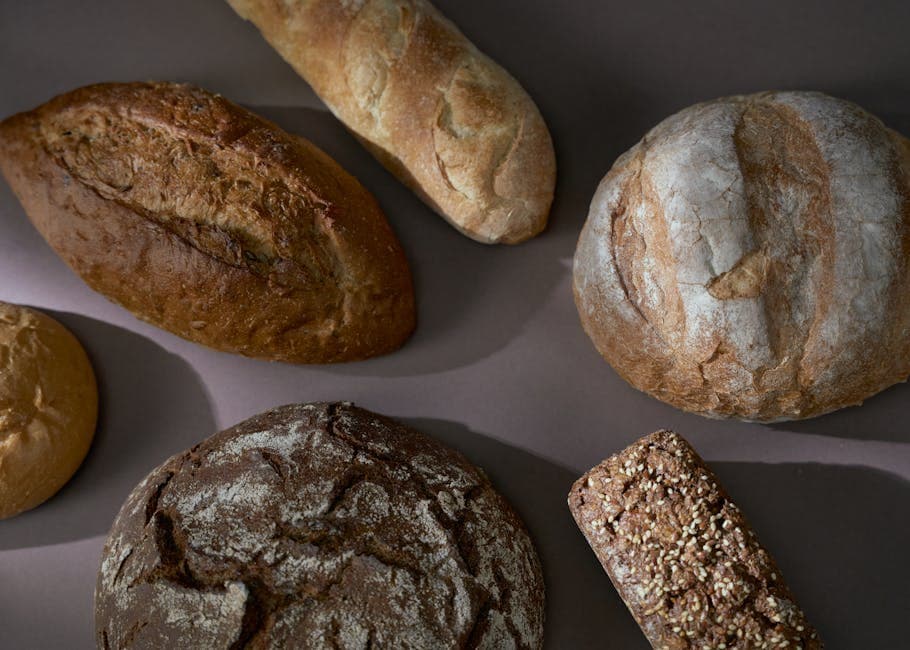
Rupjmaize (Latvian Dark Rye Bread)
Latvia's beloved sourdough rye: dense, dark, slightly sweet from caraway and malt, with a crackling crust.
About This Recipe
Rupjmaize — literally "coarse bread" — is the dark, slow-fermented rye loaf that has anchored Latvian tables for over a thousand years. Made from coarsely milled rye flour, a long sourdough leaven, scalded grains, caraway, and a touch of malt or honey, it is dense, faintly sweet, and tangy in the way only properly fermented rye can be. A traditional rupjmaize bake takes two days: a stiff rye sourdough is built up, the dough is then scalded with hot water to release the rye's natural sugars, fermented overnight, and finally baked in a hot oven for nearly two hours. The bread keeps for weeks, the flavor deepens daily, and a heel of buttered rupjmaize with a slice of smoked sprat is more or less the official Latvian afternoon snack.
Ingredients
Serves 12
- 100 gactive rye sourdough starter (100% hydration)
- 550 gcoarsely milled dark rye flour
- 150 gfine rye flour
- 450 mlboiling water, for scalding
- 200 mlwarm water, for the final dough
- 2 tbspdark malt syrup or molasses
- 1 tbsphoney
- 12 gfine salt
- 1 tbspcaraway seeds, lightly crushed
- 1 tspcoriander seeds, lightly crushed (optional)
- extra rye flour for shaping
Instructions
- 1
Scald the rye (evening)
In a heatproof bowl, mix 250 g of the coarse rye flour with the boiling water until a thick, smooth paste forms. Cover and let cool to lukewarm — this releases the rye's natural sugars and is what gives rupjmaize its sweetness.
The scald is the soul of authentic dark rye. Skipping it gives you a sour, flat bread; doing it properly yields the characteristic deep, malty flavor.
- 2
Build the leaven
Stir the sourdough starter and malt syrup into the cooled scald. Cover and ferment 10–12 hours at warm room temperature (24–26°C) until visibly bubbly and smelling sharp and beery.
- 3
Make the dough (morning)
Add the remaining 300 g coarse rye, 150 g fine rye, warm water, honey, salt, caraway, and coriander to the fermented leaven. Mix with a sturdy spoon for 6 minutes — rye dough is more like a thick paste than a kneadable bread dough.
- 4
First rise
Cover the dough and rest 2–3 hours at warm room temperature until it puffs and shows small bubbles on the surface. It won't rise dramatically — rye never does.
- 5
Shape
Wet your hands with cold water. Tip the dough onto a heavily rye-floured surface and shape into a long oval loaf, smoothing the surface with wet hands. Transfer to a parchment-lined baking tray.
- 6
Final proof
Dust the loaf with rye flour, cover with a damp towel, and proof 60–90 minutes until the surface develops cracks.
- 7
Bake
Heat oven to 240°C with a tray on the bottom rack. Slide the loaf in and pour 200 ml hot water into the bottom tray for steam. Bake 15 minutes at 240°C, then lower to 180°C and bake another 75–90 minutes, until the internal temperature reads 96°C.
- 8
Cool fully
Brush the hot crust with a little water for shine, then cool the loaf completely on a wire rack — at least 12 hours — before slicing. Rye is gummy when warm; the texture and flavor only resolve after a full overnight rest.
Did you make this?
Rate it and help other cooks find the recipes that actually work.
One tap to sign in, and we'll save the rating you just picked.
Everything you need to plan your week — free
- Meal calendar
- Grocery list
- AI recipe ideas
Track what you eat
Snap your meal to log calories and macros, run fasting timers and track water in the free SnapCal app.
Pro Tips
- →
Don't slice rupjmaize until it has rested at least 12 hours after baking — slicing it warm gives you a gluey crumb that no amount of toasting will fix.
- →
Authentic Latvian bakeries use vakara maize starter that has been continuously refreshed for decades; a healthy 2-week-old rye starter at home works fine.
- →
Coarsely milled rye flour is essential — fine rye flour alone gives you a dense, cake-textured loaf instead of the proper open, gritty rupjmaize crumb.
Variations
- •
Saldskābā maize: add 4 tbsp extra molasses for the famous Latvian sweet-and-sour rye, traditionally baked round.
- •
Add 100 g sunflower seeds or 50 g chopped dried fruit to the dough for celebratory loaves.
- •
Replace 50 g of the rye flour with whole spelt for a slightly lighter crumb (less traditional, but holds well).
Storage
Wrap in a clean linen cloth and store at room temperature up to 10 days — rupjmaize actively improves over the first week. Refrigerate up to 3 weeks. Slice cold and toast for the best texture.
History & Origin
Rupjmaize has been the staple bread of Latvia and Latgale since at least the 12th century, when rye replaced earlier barley breads as the main grain of the region. The scalded-rye technique (apariens) is documented in 19th-century Latvian ethnographic accounts and earned EU Traditional Specialty Guaranteed status in 2014.
Frequently Asked Questions
Can I make rupjmaize without a sourdough starter?
Not authentically — the long sourdough ferment is what gives the bread its flavor and proper texture. A quick yeast version exists, but Latvian bakers wouldn't call it rupjmaize.
Why is my rupjmaize gummy inside?
Either you sliced it too soon (rye must rest 12+ hours) or you under-baked it. The internal temperature should reach 96°C — invest in a probe thermometer.
What's the difference between rupjmaize and pumpernickel?
Rupjmaize is sourdough-leavened with caraway and a scalded grain technique; pumpernickel is German and is traditionally baked for 16+ hours at very low temperature, producing a darker, even denser loaf.
Nutrition Facts
Per serving (90g / 3.2 oz) · 12 servings total
Time Summary
Have Questions?
Ask our AI cooking assistant anything about this recipe — substitutions, techniques, scaling.
Chat with AI Chef →Featured in Guides
This recipe is featured in the following curated guides:
More Latvian Recipes
You Might Also Like
Similar dishes from other cuisines around the world.
Free Kitchen Tools
Calculators and converters that pair with this page — no signup needed.
Put This Into a Plan
Schedule it, shop for it, and track what you already have.
Read Next
Longer reads that go deeper on the ideas behind this dish.
Community
Join the conversation
Sign in to leave a comment and save your favourite recipes