
Bazin (Libyan Barley Dome)
Libya's iconic stiff barley dough served as a smooth grey-brown dome under a tomato-and-lamb sauce — eaten by hand with the right thumb.
About This Recipe
Bazin is a dish you eat by feel. A thick paste of barley flour and water is boiled and beaten until it pulls away from the pot like glossy clay, then mounded smooth as a dome onto a large platter. Around it goes a deep red tomato-and-lamb sauce spiked with fenugreek, garlic, and Libyan hararat spice blend, with hard-boiled eggs nested in the gravy and a few wedges of potato. To eat, you pinch off a piece of bazin with the right thumb, dip it in the sauce, and pop it in your mouth. There are no forks, no plates — everyone gathers around the platter. Tripolitanians say a marriage can be judged by the bride's first bazin: too soft is a sign of weakness, too stiff a sign of stubbornness.
Ingredients
Serves 4
- 400 gbarley flour (or 75% barley + 25% wheat flour)
- 800 mlwater
- 1 tspfine salt
- 500 glamb shoulder, cut in 3 cm cubes
- 3 tbspolive oil
- 1 largeyellow onion, grated
- 4 clovesgarlic, grated
- 3 tbsptomato paste
- 400 gtinned chopped tomatoes
- 1 tbspground fenugreek
- 1 tbspLibyan hararat (or 2 tsp paprika + 1 tsp cumin + 1 tsp coriander + 1/2 tsp cinnamon)
- 1 tspground turmeric
- 1 tspharissa or chilli paste
- 2 mediumpotatoes, peeled and quartered
- 4eggs
- 600 mlwater (for sauce)
- salt to taste
Instructions
- 1
Sear the lamb
Heat olive oil in a wide pot. Brown lamb cubes hard, 6 minutes. Lift out.
- 2
Build the sauce base
Add grated onion and cook 6 minutes. Add garlic, tomato paste, fenugreek, hararat, turmeric, and harissa. Cook 3 minutes until thick and brick-coloured.
- 3
Simmer the marqa
Return lamb. Add chopped tomatoes and 600 ml water. Bring to a simmer, season with salt, partially cover, and cook 45 minutes.
- 4
Add potatoes and eggs
Drop potatoes and whole raw eggs (in shell, gently lowered) into the simmering sauce. Cook 15 minutes more — the eggs hard-boil in the sauce and take on its colour.
- 5
Boil bazin water
While the sauce finishes, bring 800 ml water and salt to a hard boil in a heavy small pot. Pour in barley flour all at once. Do not stir yet. Cover and cook 8 minutes on medium.
- 6
Beat the dough
Now the work begins. Beat the dough hard with a sturdy wooden spoon (mahrak) for 6–8 minutes — the dough must come together into one smooth, glossy mass that pulls away from the sides.
- 7
Mound the dome
Wet a large round platter. Scrape the bazin onto it and shape into a smooth dome with damp hands — Libyans aim for the silhouette of a beehive.
- 8
Crown with sauce
Peel the eggs and nestle them around the base of the dome along with the potato wedges. Spoon the lamb chunks around. Ladle generous sauce around (not over) the dome so the grey-brown stays clean. Serve immediately, eaten by hand.
Did you make this?
Rate it and help other cooks find the recipes that actually work.
One tap to sign in, and we'll save the rating you just picked.
Everything you need to plan your week — free
- Meal calendar
- Grocery list
- AI recipe ideas
Cook this hands-free
Get AI meal plans, step-by-step cooking mode, and your saved recipes in the free Bento app.
Pro Tips
- →
Beating the dough is the make-or-break step — under-beat and it's lumpy, over-beat in the wrong direction and it weeps. Use one direction only, like risotto.
- →
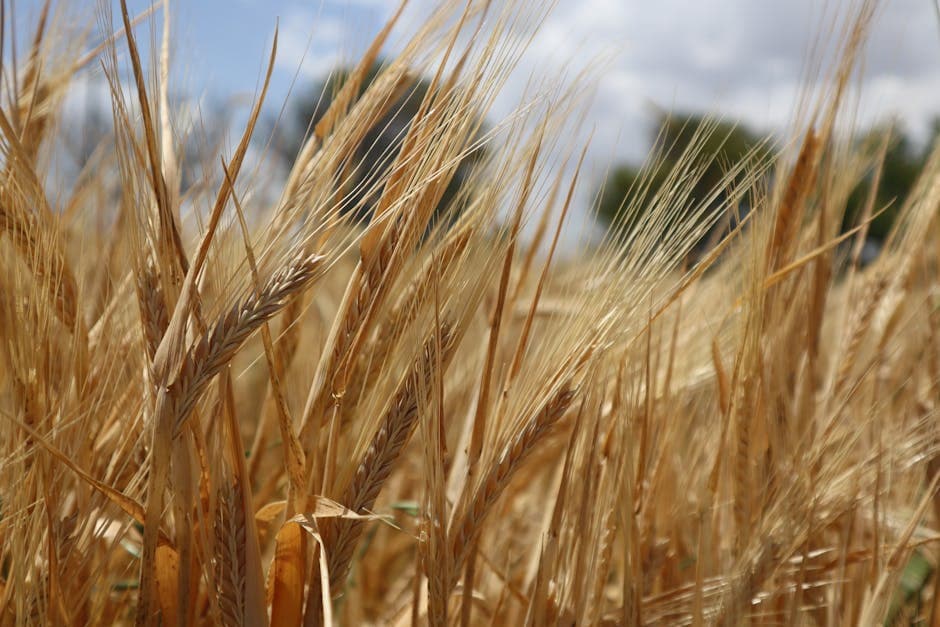
Barley flour can be hard to find — try Middle Eastern or health-food stores, or blitz pearl barley to a fine flour at home.
- →
Wet your hands and the platter constantly when shaping; bazin sticks to anything dry.
- →
If your bazin cracks while shaping, splash on a tablespoon of hot water and smooth it over.
Variations
- •
Bazin bil tamr (date bazin) is a sweet breakfast version with date syrup instead of meat sauce.
- •
Bazin malsouqa uses semolina instead of barley for a lighter, paler dome.
- •
Some Benghazi families add a few capers to the sauce for a sharp note.
Storage
Sauce keeps 3 days; reheat gently. Bazin dough is best fresh — leftover dough can be sliced and pan-fried in olive oil the next day.
History & Origin
Bazin has been the staple of inland Libyan and southern Tunisian Berber communities for centuries — barley grew where wheat would not. It is the dish of Eid al-Fitr in many Tripolitanian families and the breakfast served to bedouin guests after a long desert journey.
Frequently Asked Questions
Why is bazin grey-brown?
Whole barley flour gives the dough its earthy grey-brown tone — that's natural and desirable. If yours looks pale, you're using wheat flour or refined barley.
Can I eat bazin with a fork?
Tradition says no — the experience of pinching warm dough with the thumb and dipping in sauce is the dish. That said, modern Libyan restaurants abroad often plate it with cutlery.
Is bazin gluten-free?
No — barley contains gluten. For a gluten-free version, sorghum or millet flour can be used, but the result is a different traditional dish called asida rather than bazin.
Nutrition Facts
Per serving (460g / 16.2 oz) · 4 servings total
Time Summary
Have Questions?
Ask our AI cooking assistant anything about this recipe — substitutions, techniques, scaling.
Chat with AI Chef →Featured in Guides
This recipe is featured in the following curated guides:
More Libyan Recipes
You Might Also Like
Similar dishes from other cuisines around the world.
Free Kitchen Tools
Calculators and converters that pair with this page — no signup needed.
Put This Into a Plan
Schedule it, shop for it, and track what you already have.
Read Next
Longer reads that go deeper on the ideas behind this dish.
Community
Join the conversation
Sign in to leave a comment and save your favourite recipes