
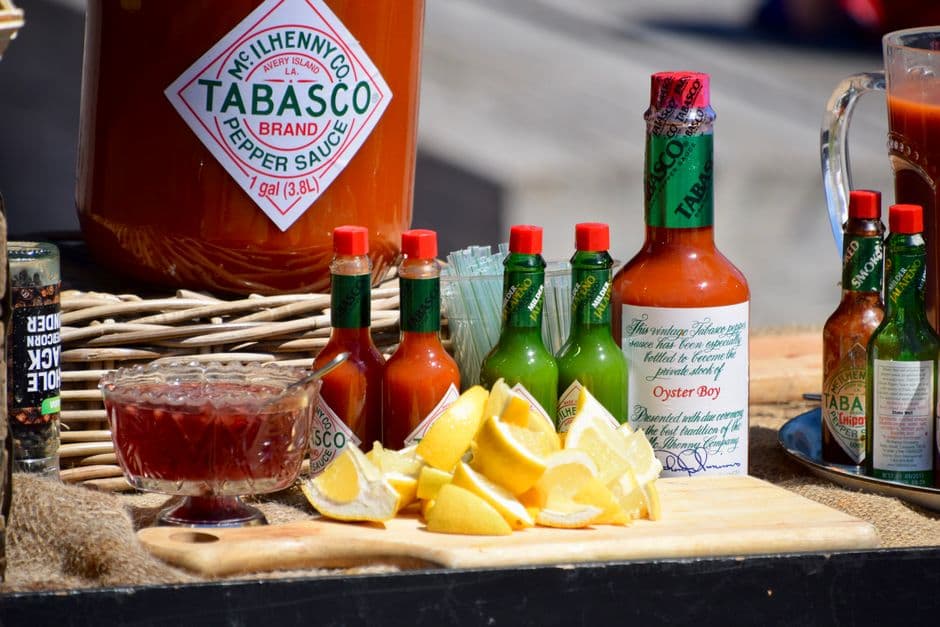
Louisiana-Style Hot Sauce
Tangy fermented cayenne pepper sauce in the classic Louisiana style.
About This Recipe
Louisiana-style hot sauce is the thin, vinegary, bright-red condiment that defines Cajun and Creole tables, built simply from red cayenne peppers, salt, and vinegar. The classic method ferments the mashed peppers in salt for a week or more, which mellows their raw bite and develops a deep, tangy complexity before vinegar is blended in. The result is a pourable, pleasantly hot sauce that brightens everything from gumbo and fried fish to eggs and greens. Unlike thick, smoky sauces, this style is all about clean heat and acidity. A short ferment is what separates a homemade sauce with real depth from a simple blended one. Bottle it and it keeps for months.
Ingredients
Serves 24
- 1 lbred cayenne peppers(stemmed)
- 3 clovesgarlic(peeled)
- 1.5 tbspkosher salt
- 1.5 cupswhite distilled vinegar
- 0.5 cupwater
- 1 tspsugar(optional)
Instructions
- 1
Prepare the peppers
Wear gloves and roughly chop the cayenne peppers, seeds and all for full heat. Combine with the garlic and salt in a clean jar, pressing down to release their juices.
Removing seeds gives a milder, smoother sauce if preferred.
- 2
Ferment
Cover the jar loosely and leave at cool room temperature 5-7 days, stirring daily. Bubbles and a tangy aroma mean fermentation is working, which builds the sauce's signature complex flavor.
- 3
Cook briefly
Transfer the fermented peppers and their brine to a saucepan, add the water, and simmer 10 minutes. This softens the peppers and tempers the raw garlic for a smoother blend.
- 4
Blend smooth
Add the vinegar and optional sugar, then puree in a blender until completely smooth. The vinegar both preserves the sauce and gives it the thin, pourable Louisiana consistency.
Blend longer for a silkier texture.
- 5
Strain
Pour the puree through a fine-mesh sieve, pressing the solids to extract all the liquid. Straining removes skins and seeds, leaving the smooth, thin sauce typical of the style.
- 6
Bottle and rest
Funnel the finished sauce into sterilized bottles. Let it rest in the refrigerator a day or two before using so the flavors settle and the heat rounds out.
Did you make this?
Rate it and help other cooks find the recipes that actually work.
One tap to sign in, and we'll save the rating you just picked.
Everything you need to plan your week — free
- Meal calendar
- Grocery list
- AI recipe ideas
Track what you eat
Snap your meal to log calories and macros, run fasting timers and track water in the free SnapCal app.
Pro Tips
- →
Always wear gloves when handling and chopping hot peppers.
- →
A 5-7 day ferment develops far more depth than blending peppers raw.
- →
Strain the sauce for the classic thin, pourable Louisiana texture.
- →
Use distilled white vinegar for the cleanest, sharpest acidity.
Variations
- •
Skip fermenting and simmer fresh peppers with vinegar for a quicker sauce.
- •
Use red jalapenos or Fresnos for a milder, fruitier heat.
- •
Add a smoked pepper or chipotle for a deeper, smoky character.
- •
Blend in roasted red bell pepper to lower the heat while keeping color.
Storage
Bottle in sterilized glass and refrigerate for up to 6 months; the high vinegar content preserves it. Properly canned, it keeps even longer. A little separation is normal, so shake before each use.
History & Origin
Louisiana-style hot sauce dates to the mid-19th century, with Edmund McIlhenny's Tabasco, created on Avery Island in 1868, among the most famous examples. The style relies on fermenting cayenne or tabasco peppers in salt, then blending with vinegar, producing the thin, tangy sauce that became central to Cajun and Creole cooking.
Frequently Asked Questions
Do I have to ferment the peppers?
Fermenting is traditional and gives the sauce a deeper, more complex tang, but it is not strictly required. For a quicker version, you can simmer fresh peppers with vinegar and salt, then blend and strain. The fermented sauce will taste rounder and more like classic Louisiana brands, while the quick version is brighter and sharper.
How long does homemade hot sauce last?
Thanks to its high vinegar and salt content, Louisiana-style hot sauce keeps well. Refrigerated in a sterilized bottle, it lasts up to 6 months and often longer. The acidity inhibits spoilage, but always use clean utensils and watch for off smells, mold, or unusual cloudiness, which signal it should be discarded.
How can I make the sauce milder or hotter?
Heat comes mostly from the seeds and white membranes inside the peppers. For a milder sauce, remove them before fermenting, or blend in roasted red bell peppers. For more heat, leave the seeds in or add hotter peppers like habaneros. Adjusting the pepper variety is the simplest way to control the final spice level.
Why is my hot sauce separating in the bottle?
Separation is completely normal for homemade hot sauce, which lacks the stabilizers found in commercial products. The pepper solids naturally settle below the vinegar over time. Simply shake the bottle before each use to recombine. If you want a more stable emulsion, blend the sauce very thoroughly and strain it finely before bottling.
Nutrition Facts
Per serving (15g / 0.5 oz) · 24 servings total
Time Summary
Have Questions?
Ask our AI cooking assistant anything about this recipe — substitutions, techniques, scaling.
Chat with AI Chef →Featured in Guides
This recipe is featured in the following curated guides:
More American Recipes
You Might Also Like
Similar dishes from other cuisines around the world.
Browse by Ingredient
More recipes built around the same core ingredients.
Free Kitchen Tools
Calculators and converters that pair with this page — no signup needed.
Put This Into a Plan
Schedule it, shop for it, and track what you already have.
Read Next
Longer reads that go deeper on the ideas behind this dish.
Community
Join the conversation
Sign in to leave a comment and save your favourite recipes