
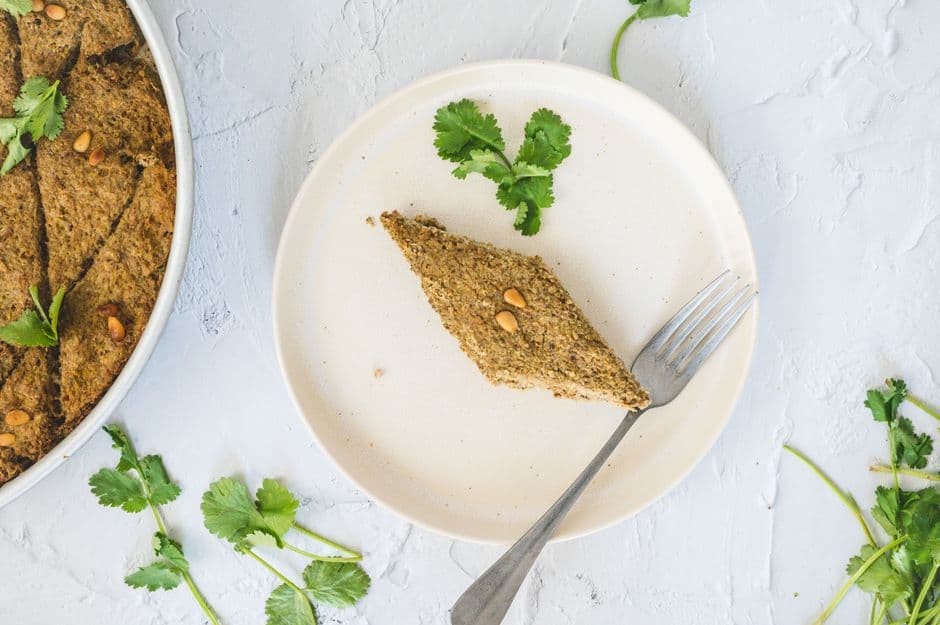
Maqluba (Levantine Upside-Down Rice)
The Palestinian-Levantine showpiece — layers of spiced lamb or chicken, fried aubergine, cauliflower, potato and rice slow-cooked in stock, then dramatically flipped onto a platter.
About This Recipe
Maqluba — literally 'upside-down' in Arabic — is one of the great architectural dishes of the Levant, a Palestinian, Jordanian and Syrian celebration of layered cooking in which spiced meat, vegetables and rice are constructed in a pot, simmered together until everything is tender, and then theatrically inverted onto a large platter at the table so the layers cascade dramatically into view. The dish traces back to the Mamluk period (13th–16th century) and is documented in 13th-century Arab cookbooks as 'maqluba'. The classical version layers a base of browned bone-in chicken or lamb, then fried aubergine slices, then fried cauliflower florets, then a layer of par-boiled potato rounds, and finally seasoned long-grain rice — all submerged in a fragrant stock of cinnamon, allspice, cardamom, bay and pepper. The whole pot simmers slowly for an hour, the rice absorbing the meat juices and the layers gently melding, before being flipped — the moment of truth — onto a serving platter so the entire structure stands like a savoury cake. It is served with a bowl of cool laban (yoghurt) and a sharp tomato-cucumber salad (salata Arabia) to cut the richness, and is the dish of weekend family lunches, Eid al-Fitr celebrations, and Palestinian solidarity events around the world. The flip is the ritual: every cook has a story of a maqluba that didn't unmould, and every successful flip is greeted with cheers.
Ingredients
Serves 6
- 1.2 kgbone-in chicken thighs and drumsticks (or 1 kg lamb shoulder, on the bone, cut into 5 cm pieces)
- 1 largeaubergine, cut into 1.5 cm rounds
- 1 smallcauliflower, broken into medium florets
- 2 mediumpotatoes, peeled and cut into 1 cm rounds
- 500 glong-grain rice (basmati or Egyptian), rinsed and soaked 30 min
- 1 largewhite onion, chopped
- 4garlic cloves, smashed
- 2 tspground allspice (baharat)
- 1 tspground cinnamon
- 0.5 tspground cardamom
- 0.5 tspground turmeric
- 1 tspground black pepper
- 3bay leaves
- 1.2 Lhot chicken or lamb stock
- 300 mlvegetable oil, for frying vegetables
- 2 tbspolive oil
- 2 tbsppine nuts or slivered almonds, toasted, to garnish
- 1 small bunchfresh flat-leaf parsley, chopped
- salt to taste
- plain yoghurt and chopped tomato-cucumber salad, to serve
Instructions
- 1
Brown the meat
Heat olive oil in a heavy-bottomed pot over medium-high heat. Brown the chicken or lamb pieces deeply on all sides, 4 minutes per side. Lift out and set aside. In the same pot, soften the chopped onion 6 minutes until translucent, add the garlic 1 minute more.
- 2
Build the meat stock
Return the meat to the pot. Add half the allspice, cinnamon, cardamom, turmeric, pepper, bay leaves, 1.5 tsp salt and the hot stock. Bring to a simmer, cover, and cook 35 minutes (for chicken) or 60 minutes (for lamb) until the meat is tender. Lift the meat out and reserve. Strain and reserve the stock — measure: you need exactly 950 ml.
- 3
Fry the vegetables
While the meat simmers, heat the vegetable oil in a wide pan to 175°C/345°F. Salt the aubergine slices and let them sit 15 minutes, then pat dry. Fry the aubergine 3 minutes per side until deep golden; drain on kitchen paper. Fry the cauliflower florets 5 minutes until golden; drain. Fry potato rounds 4 minutes per side until golden but not fully cooked through; drain.
- 4
Season the rice
Toss the drained, soaked rice with the remaining spices, ½ tsp salt and 1 tbsp olive oil — this seasons every grain and helps prevent clumping during cooking.
- 5
Layer the pot
In a clean heavy-bottomed straight-sided pot (about 25 cm diameter), arrange the meat in a single neat layer on the bottom — this becomes the top of the finished dish. Layer the fried potato slices over the meat, then the cauliflower, then the aubergine. Top evenly with the seasoned rice and press down lightly with the back of a spoon.
- 6
Cook the maqluba
Carefully pour the reserved hot meat stock over the rice — it should sit just above the rice by 1 cm. Cover, bring to a low boil over medium heat, then reduce to the very lowest heat. Cook covered without disturbing for 40 minutes. Pull off the heat and let rest, still covered, for 15 minutes.
- 7
The flip
Place a large warm serving platter over the pot, larger than the pot in diameter. Hold the platter and pot tightly together with oven gloves and, in one confident motion, invert the whole assembly. Set on the table and wait 30 seconds — listen for the pot to release. Lift the pot away slowly and reveal the upside-down maqluba.
Run a flexible knife around the pot edge before flipping if you're nervous about sticking.
- 8
Garnish and serve
Scatter the toasted pine nuts and chopped parsley over the top. Serve at the table from the platter, with a bowl of cool yoghurt and a fresh tomato-cucumber salad alongside. Cut into wedges with a serving spoon, scooping up meat, vegetables and rice together.
Did you make this?
Rate it and help other cooks find the recipes that actually work.
One tap to sign in, and we'll save the rating you just picked.
Everything you need to plan your week — free
- Meal calendar
- Grocery list
- AI recipe ideas
Cook this hands-free
Get AI meal plans, step-by-step cooking mode, and your saved recipes in the free Bento app.
Pro Tips
- →
Use a heavy-bottomed pot with straight sides for the flip — sloping sides make unmoulding much harder. A 24–26 cm pot is the right size for these quantities.
- →
Don't skip frying the vegetables — frying gives the right texture and golden colour for the finished platter. Roasting in the oven is a workable shortcut but the texture suffers.
- →
Get the liquid measurement right: exactly 950 ml for 500 g of rice. Too much liquid gives soup; too little gives crunchy rice.
- →
Let the pot rest 15 minutes off the heat before flipping. This allows the steam to redistribute and the layers to settle, making the flip cleaner.
Variations
- •
Maqluba bil dejaj — the chicken-only version, lighter and quicker, popular for weeknight family meals.
- •
Maqluba bil samak — fish version with sea bass or red snapper layered with rice and saffron, eaten on the Palestinian and Gaza coasts.
- •
Vegetarian maqluba — replace the meat with extra fried aubergine, cauliflower, courgette and roasted chickpeas; use a strong vegetable stock.
- •
Maqluba with green beans — layer in flat green beans and red bell pepper for a summer variation popular in the West Bank.
Storage
Refrigerate up to 3 days. Reheat covered in a 160°C oven with 2 tbsp water to revive the steam, or microwave individual portions. Freezes well 2 months — defrost overnight and reheat as above. The flip is a one-time party trick; leftovers are served plated rather than re-inverted.
History & Origin
Maqluba is documented in al-Baghdadi's 13th-century Kitab al-Tabikh cookbook and has been a staple of Palestinian, Jordanian, Syrian and Lebanese cookery ever since. It has become a Palestinian cultural symbol, with the flip serving as both culinary technique and political metaphor, regularly cooked at solidarity events worldwide as 'the upside-down dish that turns oppression upside down.'
Frequently Asked Questions
What if my maqluba doesn't flip properly?
Don't panic. Reassemble the layers on the platter with a serving spoon — once you start spooning out portions nobody will notice. Next time, line the bottom of the pot with a circle of parchment paper before layering the meat for foolproof release.
Can I make it without aubergine?
Aubergine is traditional but you can replace it with extra cauliflower or with sliced fried courgette. The dish loses some of its silky body but the structure holds.
What stock should I use?
Always use the stock from cooking the meat — that's the deepest flavour. If you're short, supplement with shop-bought chicken or vegetable stock. Water alone gives a flat result.
What is salata Arabia?
A finely diced Arab tomato-cucumber-onion salad dressed with lemon juice, olive oil, salt and chopped parsley or mint. The sharp acidic crunch is the essential foil to the rich rice and meat of the maqluba.
Nutrition Facts
Per serving (620g / 21.9 oz) · 6 servings total
Time Summary
Have Questions?
Ask our AI cooking assistant anything about this recipe — substitutions, techniques, scaling.
Chat with AI Chef →Featured in Guides
This recipe is featured in the following curated guides:
More Levantine Recipes
You Might Also Like
Similar dishes from other cuisines around the world.
Free Kitchen Tools
Calculators and converters that pair with this page — no signup needed.
Put This Into a Plan
Schedule it, shop for it, and track what you already have.
Read Next
Longer reads that go deeper on the ideas behind this dish.
Community
Join the conversation
Sign in to leave a comment and save your favourite recipes