
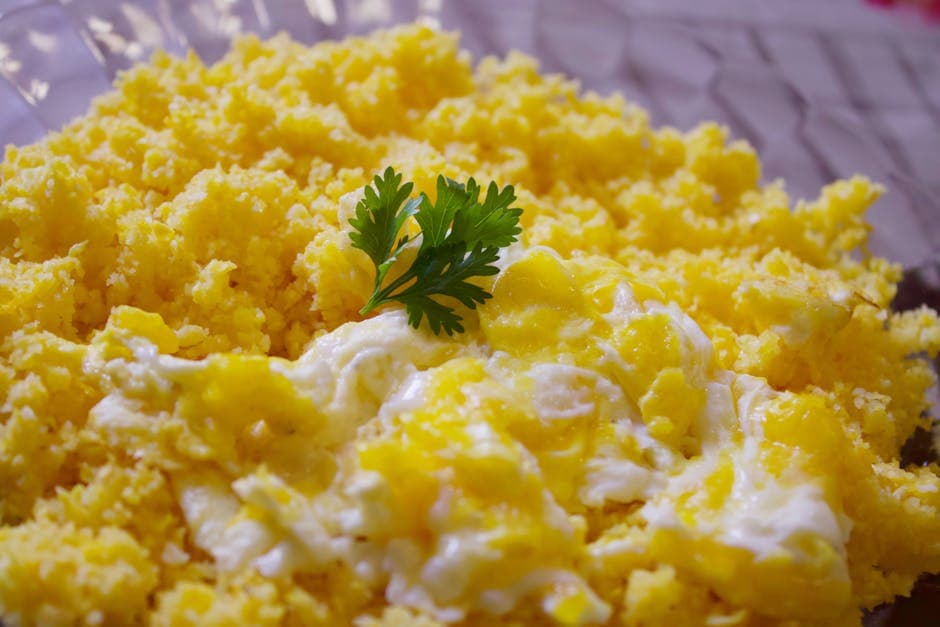
Mămăligă (Moldovan Cornmeal with Brânză and Smântână)
Moldova's national dish: a stiff cornmeal porridge served with crumbly sheep's cheese, sour cream, and pork cracklings.
About This Recipe
Mămăligă is the cornmeal porridge that defines Moldovan and Romanian peasant cooking — once eaten as bread, now eaten as a starch alongside almost every traditional meal. Yellow cornmeal is stirred patiently into salted boiling water until it thickens into a dense, golden mass that can be turned out of the pot and cut with a length of string (never a knife — a knife is considered bad luck). The full Moldovan presentation is mămăligă cu brânză și smântână: thick mămăligă piled on a wooden board, broken open to reveal crumbly salty sheep's cheese (brânză de oi), generous spoons of cold smântână (Moldovan/Romanian sour cream), and crispy fried pork cracklings (jumări) on top — sometimes with a fried egg as well. It is rib-sticking, profoundly satisfying, and the dish around which Moldovan family meals revolve.
Ingredients
Serves 4
- 1.2 Lwater
- 1.5 tspfine salt
- 300 gcoarse yellow cornmeal (mălai), not instant polenta
- 30 gunsalted butter, plus more for serving
- 250 gbrânză de oi (Romanian sheep's milk cheese) or feta as substitute
- 300 gsmântână (full-fat Moldovan/Romanian sour cream) or crème fraîche
- 150 gpork cracklings (jumări) — store-bought or homemade
- 4 largeeggs, optional
- 1 tbspvegetable oil, for the eggs
Instructions
- 1
Boil the water
Bring water and salt to a hard boil in a heavy-bottomed pot — cast iron is ideal. The pot must be heavy enough not to scorch on the bottom during the long stir.
- 2
Rain in the cornmeal
With one hand whisk the water in a steady whirl, with the other pour the cornmeal in a slow steady stream. Pouring fast or stopping the whisk gives lumps that cannot be removed.
An old Moldovan trick: throw a small handful of cornmeal into the boiling water first, let it cook 30 seconds, then add the rest — it stops splatter and prevents lumps.
- 3
Stir patiently
Switch to a sturdy wooden spoon (mestecu) and stir continuously for 25–30 minutes over medium-low heat. The mămăligă will thicken from porridge to a dense mass that pulls cleanly from the sides of the pot. Don't shortcut this.
- 4
Final knead
Add the butter and stir vigorously for 2 more minutes — this knead phase gives mămăligă its signature smooth, slightly elastic texture.
- 5
Crumble the cheese
While the mămăligă cooks, crumble the brânză de oi into coarse pieces. If using feta, briefly rinse the surface to reduce the salt.
- 6
Fry the eggs (optional)
Heat oil in a skillet. Fry eggs sunny-side up with crisp edges and runny yolks. Hold warm.
- 7
Turn out and present
Wet a wooden board with cold water. Turn the mămăligă onto the board in a smooth dome. Cut into wedges with a length of strong thread or a wet wooden knife — never metal. Serve immediately.
- 8
Build the plates
Each plate: a wedge of hot mămăligă, a generous heap of crumbled brânză alongside, a big spoon of smântână, a scattering of warm jumări, and a fried egg on top if using. Mix everything together at the table.
Did you make this?
Rate it and help other cooks find the recipes that actually work.
One tap to sign in, and we'll save the rating you just picked.
Everything you need to plan your week — free
- Meal calendar
- Grocery list
- AI recipe ideas
Cook this hands-free
Get AI meal plans, step-by-step cooking mode, and your saved recipes in the free Bento app.
Pro Tips
- →
Use coarse yellow cornmeal labeled 'mălai' from a Romanian market — instant polenta will give you a gluey, flavorless result.
- →
Stir continuously — even a 30-second pause lets the cornmeal stick and scorch on the bottom, ruining the whole pot.
- →
Cut mămăligă with thread, not a knife — metal drags through and tears the texture; thread cuts cleanly. Wooden mămăligă knives are sold in Moldovan markets.
Variations
- •
Mămăligă cu lapte: cooked with milk instead of water for a creamier breakfast version — pair with honey.
- •
Bulz: form leftover mămăligă into balls around chunks of brânză, grill or pan-fry until the cheese melts — Romanian/Moldovan shepherd's snack.
- •
Mămăligă în straturi: layered like lasagna with sautéed mushrooms and cheese, baked.
Storage
Mămăligă firms as it cools and can be sliced cold. Refrigerate up to 4 days; pan-fry slices in butter until crisp on both sides — leftover mămăligă fried is some Moldovans' favorite version.
History & Origin
Cornmeal arrived in the Romanian/Moldovan principalities from the Americas via Ottoman trade in the late 17th century, and within a generation it had displaced millet as the staple cereal because corn yields per acre were so much higher. By the 19th century mămăligă had become the daily bread of the entire Moldovan and Romanian peasantry. The full plate with brânză, smântână, and jumări became the celebratory village version.
Frequently Asked Questions
What's the difference between mămăligă and Italian polenta?
They are essentially the same dish — both are cornmeal porridge. Mămăligă is traditionally cooked thicker (so you can turn it out and slice it), while Italian polenta is often kept softer and looser.
Why can't I use a metal knife?
Two reasons: a metal knife tears the texture rather than cutting it cleanly, and Moldovan folk belief considers cutting mămăligă with metal bad luck — possibly originating from the practical issue. A wet thread or wooden knife is traditional.
Can I make mămăligă without smântână?
Crème fraîche is the closest substitute. Full-fat Greek yogurt thinned with cream also works in a pinch. Regular sour cream is acceptable but thinner than authentic smântână.
Nutrition Facts
Per serving (420g / 14.8 oz) · 4 servings total
Time Summary
Have Questions?
Ask our AI cooking assistant anything about this recipe — substitutions, techniques, scaling.
Chat with AI Chef →Featured in Guides
This recipe is featured in the following curated guides:
More Moldovan Recipes
You Might Also Like
Similar dishes from other cuisines around the world.
Free Kitchen Tools
Calculators and converters that pair with this page — no signup needed.
Put This Into a Plan
Schedule it, shop for it, and track what you already have.
Read Next
Longer reads that go deeper on the ideas behind this dish.
Community
Join the conversation
Sign in to leave a comment and save your favourite recipes