
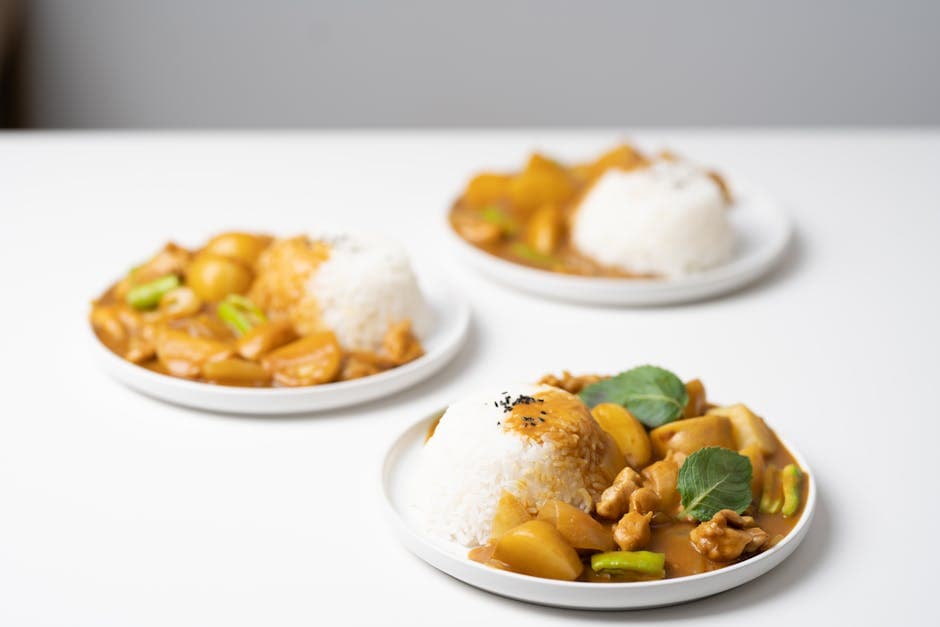
Nikujaga — Japanese Meat & Potato Stew
Japan's beloved home-cooked stew of thinly sliced beef, waxy potatoes and onions simmered in a sweet soy-mirin broth. The taste of Japanese comfort cooking.
About This Recipe
Nikujaga (肉じゃが) means literally 'meat potatoes' — and the name is the dish: thinly sliced beef (niku) simmered with potato (jaga imo) and onion in a sweet, dashi-based soy broth. It is one of the most comforting, deeply loved home-cooked dishes in Japan, the kind of food every Japanese person associates with their mother's or grandmother's kitchen. The flavour profile is a uniquely Japanese one — sweet, savoury, with unmistakable dashi umami. It is sometimes called 'Japanese stew' or even 'Japanese beef stew', though the cooking method and flavour have no Western equivalent.
Ingredients
Serves 4
- 250 gthinly sliced beef rib-eye or chuck(shabu-shabu style; or use fatty pork slices)
- 600 gwaxy potatoes (Yukon Gold or Désirée)(peeled and cut into quarters)
- 1 largeonion(cut into 8 wedges)
- 1carrot(peeled and cut into rolling chunks)
- 100 gshirataki noodles (konnyaku)(drained and rinsed; optional but traditional)
- 400 mldashi stock
- 3 tbspsoy sauce
- 3 tbspmirin
- 2 tbspsake
- 2 tbspsugar
- 1 tbspneutral oil
- 2 stalksspring onion(sliced, to serve)
Instructions
- 1
Sauté onion
Heat oil in a large heavy saucepan or Dutch oven over medium-high heat. Add onion wedges and cook for 2–3 minutes until beginning to soften and turn translucent.
- 2
Brown the beef
Push the onion to the sides. Add the beef slices and cook, stirring, for about 1 minute until just beginning to change colour — not fully cooked through.
Don't fully cook the beef at this stage. It will finish in the broth and stay tender.
- 3
Add vegetables and broth
Add potatoes, carrot and shirataki noodles (if using). Pour over the dashi, soy sauce, mirin, sake and sugar. Stir gently to combine.
- 4
Simmer with an otoshibuta
Bring to a boil and skim off any foam. Cut a circle of baking parchment slightly smaller than the pan and place it directly on the surface of the liquid (this is the otoshibuta, or drop lid — it ensures even cooking and prevents ingredients breaking up). Reduce heat to medium-low and simmer for 20 minutes until potatoes are completely tender.
A sheet of foil with a few holes poked in it works just as well as the traditional wooden otoshibuta.
- 5
Rest and serve
Remove the parchment lid. Taste and adjust seasoning with extra soy or sugar. Allow to rest for 5 minutes off the heat — nikujaga improves as it sits. Serve in deep bowls with hot rice and a sprinkling of spring onion.
Did you make this?
Rate it and help other cooks find the recipes that actually work.
One tap to sign in, and we'll save the rating you just picked.
Everything you need to plan your week — free
- Meal calendar
- Grocery list
- AI recipe ideas
Cook this hands-free
Get AI meal plans, step-by-step cooking mode, and your saved recipes in the free Bento app.
Pro Tips
- →
Nikujaga tastes even better the next day once the flavours have fully melded — make a big batch.
- →
Adding a small knob of butter at the end (a Western touch sometimes added in Japan) gives a richer, rounder flavour.
- →
Waxy potatoes hold their shape better than floury ones; avoid King Edward or Maris Piper as they fall apart.
Variations
- •
Butaniku Jaga: replace beef with thinly sliced pork belly — common in Osaka where the Kansai style uses pork.
- •
Vegetarian: omit meat entirely, add extra konnyaku, mushrooms and a soft-boiled egg halved on top.
- •
Nikujaga croquettes: mash leftover nikujaga into balls, coat in breadcrumbs and deep-fry — a brilliant way to use leftovers.
Storage
Keeps in the fridge for up to 3 days in an airtight container. The potatoes absorb more flavour on standing — the dish is arguably better on day two. Freeze without the potato (potato texture deteriorates when frozen), adding fresh potato when reheating.
History & Origin
Nikujaga is said to have been created by Admiral Togo Heihachiro in the 1890s, who requested cooks to recreate the beef stew he had tasted in England — resulting in a distinctly Japanese adaptation using soy, mirin and dashi. Whether the story is true or apocryphal, the dish became embedded in Japanese home cooking through the early 20th century and is now so universally beloved that it is one of the top answers given by Japanese people when asked what they most miss about their mother's cooking.
Frequently Asked Questions
What is dashi and where can I buy it?
Dashi is a light Japanese stock made from dried kelp (kombu) and dried bonito flakes. Instant dashi powder or granules (Hon Dashi) are sold in most East Asian supermarkets and online. Dissolve 1 tsp per 240ml water.
What are shirataki noodles?
Shirataki (or konnyaku noodles) are made from konjac starch and have almost zero calories. They are chewy and gelatinous, with very little flavour of their own — they absorb the broth wonderfully. Find them in the refrigerated section of Japanese supermarkets.
Can I use normal stock instead of dashi?
Yes, chicken or vegetable stock works. The flavour will be less distinctly Japanese but still delicious. A small splash of soy sauce and a strip of kombu added during cooking helps replicate the umami character.
Nutrition Facts
Per serving (450g / 15.9 oz) · 4 servings total
Time Summary
Have Questions?
Ask our AI cooking assistant anything about this recipe — substitutions, techniques, scaling.
Chat with AI Chef →Featured in Guides
This recipe is featured in the following curated guides:
More Japanese Recipes
You Might Also Like
Similar dishes from other cuisines around the world.
Browse by Ingredient
More recipes built around the same core ingredients.
Free Kitchen Tools
Calculators and converters that pair with this page — no signup needed.
Put This Into a Plan
Schedule it, shop for it, and track what you already have.
Read Next
Longer reads that go deeper on the ideas behind this dish.
Community
Join the conversation
Sign in to leave a comment and save your favourite recipes