
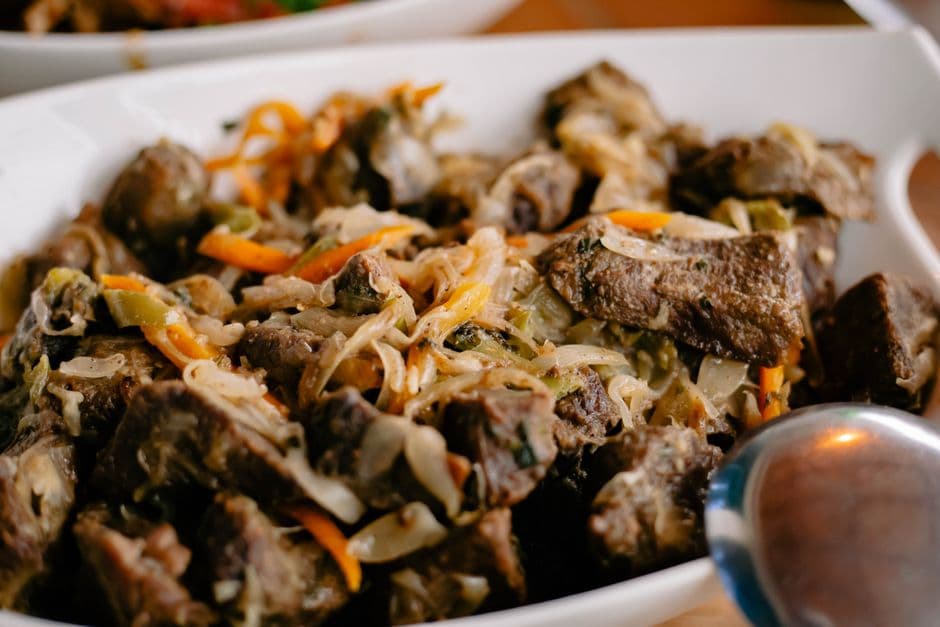
Pit Pit (Wild Sugarcane Shoot Stir-Fry)
Tender young pit pit (wild sugarcane) shoots stir-fried with coconut cream, garlic, and chilli — a unique and prized PNG vegetable dish.
About This Recipe
Pit pit (Saccharum edule), also known as Fiji asparagus or wild sugarcane shoot, is one of Papua New Guinea's most distinctive and prized vegetables. The young flower sheaths of the plant are harvested before they open, revealing a white, tender, corn-like interior with a subtly sweet, grassy flavour. Unlike sugarcane grown for sugar, pit pit is harvested entirely for eating, and it has been cultivated in PNG, Fiji, and the Solomon Islands for hundreds of years. Lightly cooked with coconut cream and aromatics, pit pit is a true taste of the Pacific garden.
Ingredients
Serves 4
- 600 gpit pit (wild sugarcane shoots), husked and sliced into 3 cm rounds
- 200 mlcoconut cream
- 3 clovesgarlic, sliced
- 1red chilli, sliced
- 1medium onion, sliced
- 1 tbspcoconut oil
- 1 tspsalt
- ½ tspblack pepper
- 2 tbspsoy sauce
Instructions
- 1
Prepare pit pit
Remove the outer green sheath from each pit pit to reveal the white interior. Slice into 3 cm rounds on the diagonal.
- 2
Sauté aromatics
Heat coconut oil in a wok or large frying pan over high heat. Add garlic, chilli, and onion. Stir-fry for 2 minutes until fragrant.
- 3
Cook pit pit
Add the pit pit rounds and toss to coat. Add soy sauce and stir-fry for 5–6 minutes until the pit pit is just tender with a slight bite.
- 4
Finish with coconut cream
Pour in the coconut cream, season with salt and pepper, and simmer for 2 minutes until the sauce is slightly reduced and coats the pit pit. Serve with steamed rice.
Did you make this?
Rate it and help other cooks find the recipes that actually work.
One tap to sign in, and we'll save the rating you just picked.
Everything you need to plan your week — free
- Meal calendar
- Grocery list
- AI recipe ideas
Cook this hands-free
Get AI meal plans, step-by-step cooking mode, and your saved recipes in the free Bento app.
Pro Tips
- →
Pit pit is best when the shoots are very young and tightly closed — the interior should be milky white.
- →
If pit pit is unavailable, baby corn or hearts of palm make reasonable substitutes.
- →
Do not overcook — pit pit should retain a gentle crunch.
- →
Taste and adjust salt at the very end — flavors concentrate as liquids reduce, and a final pinch of flaky salt sharpens the whole dish.
Variations
- •
Add cooked chicken or prawns for a complete meal.
- •
Use lemon juice instead of soy sauce for a brighter finish.
- •
Grate fresh ginger into the stir-fry for extra warmth.
- •
Vegetarian: swap the protein for roasted king oyster mushrooms, smoked tofu or cooked chickpeas — adjust seasoning slightly upward to compensate.
Storage
Best eaten fresh. Leftovers keep in the fridge for 1–2 days.
History & Origin
Pit pit has been cultivated throughout Melanesia for centuries, prized as a vegetable crop that grows easily alongside other subsistence crops. In PNG markets, fresh pit pit is sold bundled in sheaves, and it is considered a luxury vegetable by those who have grown up eating it.
Frequently Asked Questions
Where can I buy pit pit outside PNG?
Pit pit is rare outside the Pacific. Pacific Island grocery stores in Australia, New Zealand, and the US occasionally stock it fresh or frozen. Hearts of palm is the best widely available substitute.
Can I make this ahead of time?
Yes — most of the components can be prepared up to a day in advance and refrigerated separately. Reheat gently and assemble just before serving so textures stay distinct.
What can I substitute if I don't have all the ingredients?
Stay close to the role each ingredient plays: swap aromatics for similar ones (shallot for onion, lime for lemon), and keep the fat-acid-salt balance intact. Spice blends can usually be approximated with what's in the cupboard.
How do I know it's authentic?
Authenticity sits on a spectrum — what matters more is honoring the technique and balance of flavors. If the dish tastes harmonious and respects how cooks in its home region would build it, you're on solid ground.
Nutrition Facts
Per serving (250g / 8.8 oz) · 4 servings total
Time Summary
Have Questions?
Ask our AI cooking assistant anything about this recipe — substitutions, techniques, scaling.
Chat with AI Chef →Featured in Guides
This recipe is featured in the following curated guides:
More Papua-new-guinean Recipes
You Might Also Like
Similar dishes from other cuisines around the world.
Free Kitchen Tools
Calculators and converters that pair with this page — no signup needed.
Put This Into a Plan
Schedule it, shop for it, and track what you already have.
Read Next
Longer reads that go deeper on the ideas behind this dish.
Community
Join the conversation
Sign in to leave a comment and save your favourite recipes