
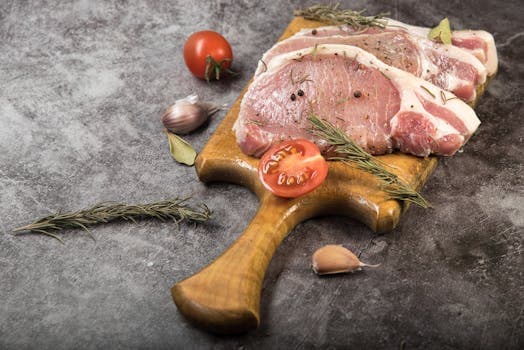
Pork Chops with Apples
Pan-seared pork chops with sautéed apples and onions in a cider pan sauce.
About This Recipe
Pork chops with apples is a classic American comfort dish that pairs savory, golden-seared chops with sweet, tender sautéed apples and onions in a glossy cider pan sauce. The natural affinity between pork and apple makes this a fall favorite, equally at home on a weeknight or a Sunday table. Searing the chops first builds a flavorful crust and leaves browned bits to enrich the sauce, while a splash of apple cider and a knob of butter tie everything together. Thyme and a touch of mustard round out the flavor. It's a fast, one-skillet meal that feels rustic and elegant at once.
Ingredients
Serves 4
- 4 bone-inpork chops, 1-inch thick
- 2 wholeapples, sliced (Honeycrisp or Granny Smith)
- 1 wholeonion, sliced
- 2 tbspolive oil
- 2 tbspunsalted butter
- 0.75 cupapple cider
- 1 tbspDijon mustard
- 1 tbspfresh thyme leaves
- 1 tspsalt
- 0.5 tspblack pepper
Instructions
- 1
Season and sear
Pat the chops dry and season with salt and pepper. Heat the oil in a skillet over medium-high and sear the chops 3-4 minutes per side until deeply golden.
Drying the chops first ensures a proper brown crust.
- 2
Rest the chops
Transfer the chops to a plate and tent loosely with foil while you build the sauce.
- 3
Sauté apples and onions
Add the butter to the skillet, then the apples and onions, cooking until softened and lightly caramelized, about 6 minutes.
- 4
Deglaze
Pour in the apple cider and stir, scraping up the browned bits from the bottom of the pan.
The fond dissolves into the sauce for deeper flavor.
- 5
Build the sauce
Whisk in the Dijon mustard and thyme, then simmer until the cider reduces and lightly thickens, 3-4 minutes.
- 6
Return the chops
Nestle the chops back into the skillet along with any resting juices and spoon the apples and sauce over them.
- 7
Finish
Cook 1-2 minutes more until the chops reach 145F internally, then serve.
Pull pork at 145F for juicy, slightly pink chops.
Did you make this?
Rate it and help other cooks find the recipes that actually work.
One tap to sign in, and we'll save the rating you just picked.
Everything you need to plan your week — free
- Meal calendar
- Grocery list
- AI recipe ideas
Track what you eat
Snap your meal to log calories and macros, run fasting timers and track water in the free SnapCal app.
Pro Tips
- →
Use thick, bone-in chops for the juiciest results.
- →
Don't overcook, 145F internal keeps pork tender.
- →
Choose firm apples that hold their shape when cooked.
- →
Rest the chops while making the sauce.
- →
Deglaze well to capture all the flavor.
Variations
- •
Add a splash of bourbon or Calvados to the sauce.
- •
Use pears instead of apples.
- •
Stir in a spoonful of brown sugar for a sweeter glaze.
- •
Add caramelized shallots for extra depth.
Storage
Refrigerate for up to 3 days; reheat gently in a covered skillet with a splash of cider to keep the pork moist.
History & Origin
The pairing of pork and apples has deep roots in European and American farmhouse cooking, where autumn apple harvests coincided with hog butchering. The combination became a staple of Pennsylvania Dutch and New England tables and remains an American comfort classic.
Frequently Asked Questions
What apples work best?
Firm, slightly tart apples like Granny Smith, Honeycrisp, or Braeburn hold their shape and balance the pork's savoriness. Avoid soft varieties like Red Delicious, which turn mushy when cooked. A mix of sweet and tart apples gives the most complex flavor in the pan sauce.
How do I keep pork chops from drying out?
Use thick, bone-in chops, sear over high heat, and cook to an internal temperature of 145F, then let them rest. Overcooking is the main culprit for dry pork, so a meat thermometer is your best tool. Returning the chops to the warm sauce at the end also keeps them moist.
Can I use boneless chops?
Yes, boneless chops work but cook faster and dry out more easily, so reduce the cooking time and watch the temperature closely. Bone-in chops stay juicier and add flavor, but boneless are convenient. Either way, pull them at 145F and let them rest before serving.
Nutrition Facts
Per serving (330g / 11.6 oz) · 4 servings total
Time Summary
Have Questions?
Ask our AI cooking assistant anything about this recipe — substitutions, techniques, scaling.
Chat with AI Chef →Featured in Guides
This recipe is featured in the following curated guides:
More American Recipes
You Might Also Like
Similar dishes from other cuisines around the world.
Browse by Ingredient
More recipes built around the same core ingredients.
Free Kitchen Tools
Calculators and converters that pair with this page — no signup needed.
Put This Into a Plan
Schedule it, shop for it, and track what you already have.
Read Next
Longer reads that go deeper on the ideas behind this dish.
Community
Join the conversation
Sign in to leave a comment and save your favourite recipes