
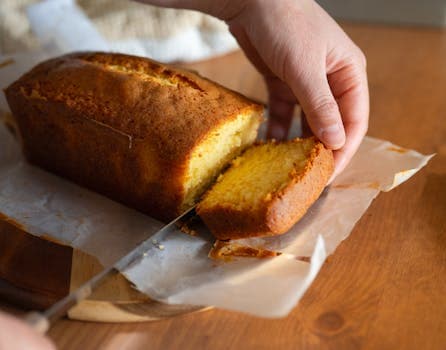
Pound Cake
Classic dense, buttery pound cake with a tight crumb and golden crust.
About This Recipe
Pound cake is one of the oldest and most enduring American cakes, named for its original formula of a pound each of butter, sugar, eggs, and flour. The result is a dense, rich, finely textured loaf with a buttery flavor and a beautifully golden, slightly crisp crust. Its simplicity is its charm, no leavening tricks, just careful creaming to incorporate air and patient baking. Real vanilla and good butter are essential since there's nowhere for off-flavors to hide. Sliced plain, toasted, or topped with berries and whipped cream, pound cake is a versatile classic that's as welcome at a Southern Sunday supper as it is at afternoon tea.
Ingredients
Serves 12
- 1 cupunsalted butter, softened
- 3 cupsgranulated sugar
- 6 largeeggs
- 3 cupsall-purpose flour
- 0.5 tspbaking powder
- 0.5 tspsalt
- 1 cupwhole milk
- 1 tbspvanilla extract
- 0.5 tspalmond extract
Instructions
- 1
Prep the pan
Grease and flour a 10-inch tube or bundt pan and preheat the oven to 325F.
- 2
Cream butter and sugar
Beat the softened butter and sugar on medium-high for 5-7 minutes until very pale and fluffy.
Long, thorough creaming is the only leavening in a true pound cake.
- 3
Add the eggs
Beat in the eggs one at a time, fully incorporating each before adding the next.
Adding eggs gradually keeps the batter from curdling.
- 4
Whisk the dry ingredients
Combine the flour, baking powder, and salt in a separate bowl.
- 5
Alternate dry and milk
Add the dry ingredients in three parts, alternating with the milk, mixing just until smooth, then beat in both extracts.
- 6
Bake low and slow
Pour into the pan and bake at 325F for 65-75 minutes until a skewer inserted in the center comes out clean.
The lower temperature gives an even bake and a tender crumb.
- 7
Cool
Cool in the pan 15 minutes, then turn out onto a rack to cool completely before slicing.
Did you make this?
Rate it and help other cooks find the recipes that actually work.
One tap to sign in, and we'll save the rating you just picked.
Everything you need to plan your week — free
- Meal calendar
- Grocery list
- AI recipe ideas
Track what you eat
Snap your meal to log calories and macros, run fasting timers and track water in the free SnapCal app.
Pro Tips
- →
Cream the butter and sugar thoroughly for the best rise and texture.
- →
Use room-temperature eggs and butter for a smooth batter.
- →
Bake at a low temperature to avoid a tough crust.
- →
Don't open the oven early or the cake may sink.
- →
Measure flour accurately to avoid a dry cake.
Variations
- •
Add lemon or orange zest for a citrus pound cake.
- •
Make a cream cheese pound cake for extra richness.
- •
Fold in fresh blueberries.
- •
Brush with a simple syrup or glaze after baking.
Storage
Store tightly wrapped at room temperature for up to 5 days, or freeze for up to 3 months; pound cake keeps exceptionally well.
History & Origin
Pound cake originated in 18th-century Europe, with its name reflecting the original one-pound-each ratio of its four ingredients. It traveled to America with early settlers and became especially beloved in the South, where countless family variations endure to this day.
Frequently Asked Questions
Why is it called pound cake?
The name comes from the traditional recipe, which called for one pound each of the four main ingredients: butter, sugar, eggs, and flour. This easy-to-remember ratio made the cake simple to reproduce before standardized measuring tools existed. Modern recipes adjust the proportions and add small amounts of leavening or liquid, but the name endures.
How do I get a tender, even crumb?
Cream the butter and sugar for several minutes until pale and fluffy to incorporate air, add eggs one at a time, and avoid overmixing once the flour goes in. Baking at a moderate 325F prevents a tough, dark crust and ensures the dense interior cooks through evenly. Room-temperature ingredients blend more smoothly.
Why did my pound cake sink in the middle?
Sinking usually means the cake was underbaked, the oven door was opened too early, or there was too much leavening or liquid. Bake until a skewer comes out clean, keep the door shut for at least the first hour, and measure ingredients precisely. An accurate oven temperature, verified with a thermometer, also helps.
Nutrition Facts
Per serving (120g / 4.2 oz) · 12 servings total
Time Summary
Have Questions?
Ask our AI cooking assistant anything about this recipe — substitutions, techniques, scaling.
Chat with AI Chef →Featured in Guides
This recipe is featured in the following curated guides:
More American Recipes
You Might Also Like
Similar dishes from other cuisines around the world.
Browse by Ingredient
More recipes built around the same core ingredients.
Free Kitchen Tools
Calculators and converters that pair with this page — no signup needed.
Put This Into a Plan
Schedule it, shop for it, and track what you already have.
Community
Join the conversation
Sign in to leave a comment and save your favourite recipes