
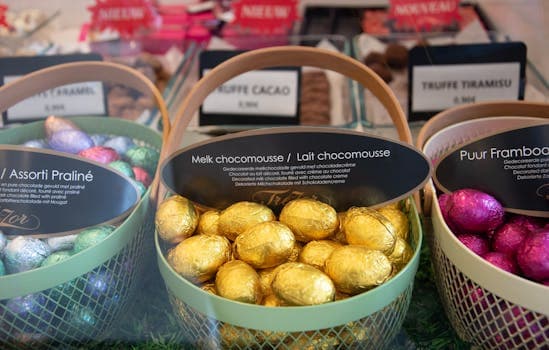
Pralines
Creamy New Orleans pecan pralines made with brown sugar, cream, and butter.
About This Recipe
New Orleans pralines are a soft, fudge-like confection of pecans suspended in a caramelized brown-sugar and cream candy. Unlike the brittle French version, the Creole praline is rich and creamy, set into flat patties that melt on the tongue. The trick is cooking the sugar syrup precisely to the soft-ball stage, then beating it until it loses its gloss and begins to thicken so the candy sets with a smooth, sandy texture rather than a hard crystalline one. Pecans, native to the Gulf South, give the candy its buttery crunch. Sold for generations on the streets of the French Quarter, pralines remain one of Louisiana's most iconic sweets and make an easy, impressive homemade gift.
Ingredients
Serves 24
- 1.5 cupsgranulated sugar
- 1.5 cupspacked light brown sugar
- 0.5 cupheavy cream
- 0.5 cupwhole milk
- 4 tbspunsalted butter
- 2 cupspecan halves
- 1 tspvanilla extract
- 0.25 tspsalt
Instructions
- 1
Prep the surface
Line two baking sheets with parchment paper and set them nearby. Pralines set fast once beaten, so have everything ready before you start cooking.
- 2
Combine sugars and dairy
In a heavy saucepan over medium heat, stir together the granulated sugar, brown sugar, cream, milk, and butter until the butter melts and the sugar dissolves.
A heavy-bottomed pan prevents scorching and gives even heat.
- 3
Cook to soft-ball stage
Clip on a candy thermometer and cook, stirring occasionally, until the mixture reaches 236-240F (soft-ball stage), about 8-10 minutes. Maintain a steady simmer, not a hard boil.
Test by dropping syrup into cold water; it should form a soft, pliable ball.
- 4
Add pecans
Stir in the pecan halves, salt, and vanilla, then remove the pan from the heat immediately to stop the cooking.
- 5
Beat until thickened
Beat the mixture with a wooden spoon for 2-4 minutes until it loses its sheen, thickens slightly, and the pecans stay suspended rather than sinking.
Stop beating the moment it turns matte and creamy or it will harden in the pan.
- 6
Drop and shape
Working quickly, spoon tablespoon-sized mounds onto the parchment, spreading each into a 2-inch patty.
- 7
Cool and set
Let the pralines sit at room temperature for 20-30 minutes until firm and no longer tacky, then peel from the parchment.
Did you make this?
Rate it and help other cooks find the recipes that actually work.
One tap to sign in, and we'll save the rating you just picked.
Everything you need to plan your week — free
- Meal calendar
- Grocery list
- AI recipe ideas
Track what you eat
Snap your meal to log calories and macros, run fasting timers and track water in the free SnapCal app.
Pro Tips
- →
Cook on a dry, low-humidity day; moisture in the air prevents proper setting.
- →
Use a candy thermometer for reliable results, but always confirm with the cold-water test.
- →
Toast the pecans first for deeper flavor.
- →
If the candy hardens too fast, stir in a splash of hot cream to loosen it.
- →
Work fast once you start dropping; the mixture sets within minutes.
Variations
- •
Add a tablespoon of bourbon with the vanilla for boozy pralines.
- •
Sprinkle flaky sea salt on top before they set.
- •
Stir in a pinch of cinnamon for a spiced version.
- •
Use a mix of pecans and toasted coconut.
Storage
Store in an airtight container at room temperature for up to two weeks, separating layers with wax paper.
History & Origin
Pralines arrived in Louisiana with French settlers, who originally coated almonds in caramelized sugar. Creole cooks adapted the recipe using local pecans and added cream, transforming the brittle candy into the soft, fudgy treat sold throughout New Orleans today.
Frequently Asked Questions
Why won't my pralines set?
The most common cause is undercooking the syrup, fix this by reaching a true 236-240F soft-ball stage and confirming with a cold-water test. High humidity also prevents setting, so make pralines on a dry day. Beating long enough to dull the sheen is equally important for a firm finish.
What's the difference between French and Creole pralines?
French pralines are caramel-coated whole almonds with a hard, brittle texture. Creole pralines from New Orleans use pecans and add cream and butter, producing a soft, fudge-like candy. The Louisiana version is sweeter, richer, and meant to be eaten in soft patties rather than crunched.
Can I make pralines without a candy thermometer?
Yes, use the cold-water test: drop a bit of syrup into a glass of cold water, and when it forms a soft, malleable ball that flattens between your fingers, it's at soft-ball stage. A thermometer is more reliable, but the water test has worked for generations of candy makers.
Nutrition Facts
Per serving (35g / 1.2 oz) · 24 servings total
Time Summary
Have Questions?
Ask our AI cooking assistant anything about this recipe — substitutions, techniques, scaling.
Chat with AI Chef →Featured in Guides
This recipe is featured in the following curated guides:
More American Recipes
You Might Also Like
Similar dishes from other cuisines around the world.
Free Kitchen Tools
Calculators and converters that pair with this page — no signup needed.
Put This Into a Plan
Schedule it, shop for it, and track what you already have.
Read Next
Longer reads that go deeper on the ideas behind this dish.
Community
Join the conversation
Sign in to leave a comment and save your favourite recipes