
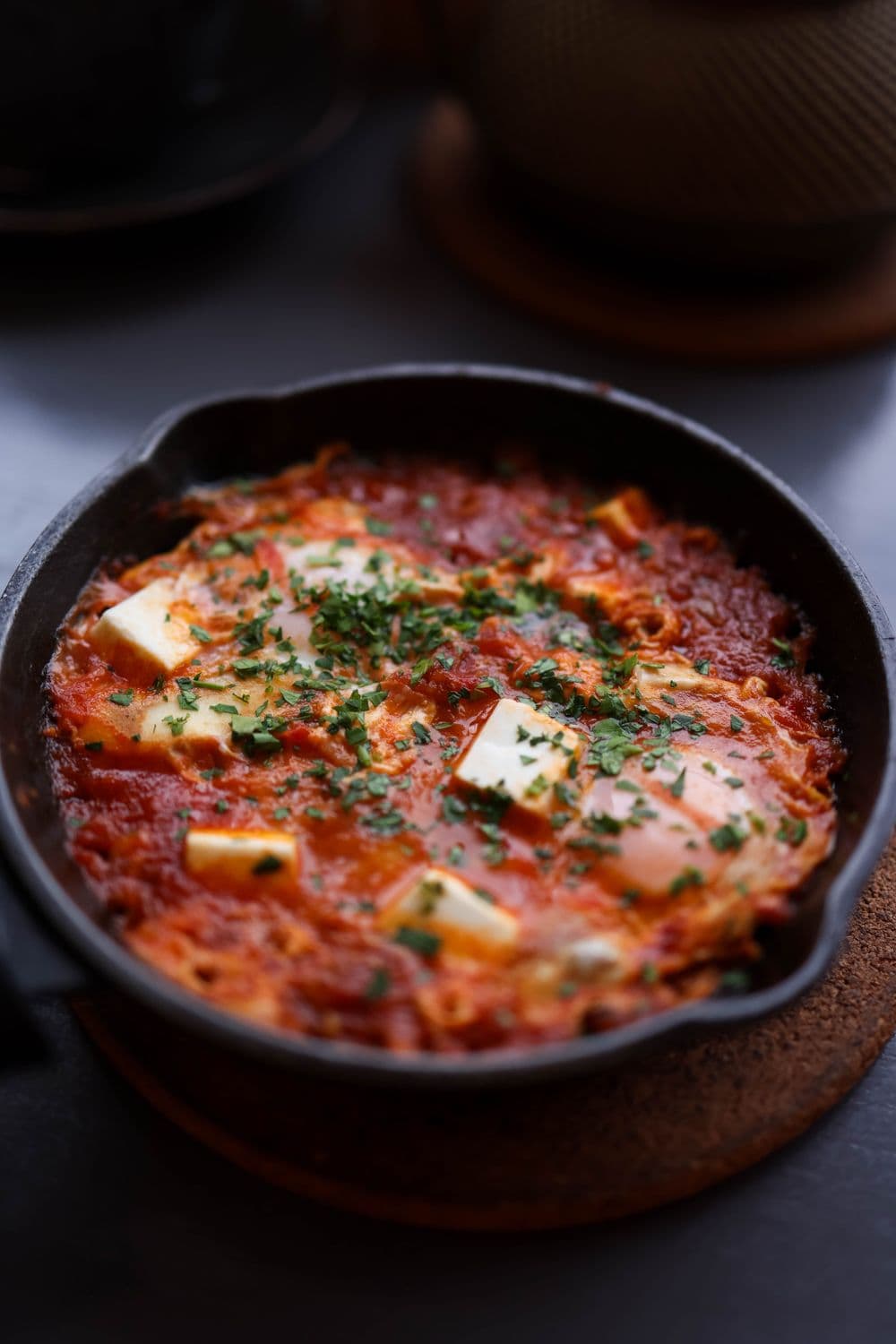
Rougaille
Mauritian Creole tomato sauce stewed with garlic, ginger, and fresh thyme.
About This Recipe
Rougaille (pronounced roo-GUY) is the soul of Mauritian Creole cuisine — a rich, deeply aromatic tomato sauce that functions as both a condiment and a full main course depending on what is added to it. The name derives from the French Creole word for 'rough' or 'lumpy,' referring to the rustic, lightly crushed texture of the tomatoes that distinguishes it from a smooth puree. At its core, rougaille is built on a trinity of slowly softened onion, crushed garlic, and freshly grated ginger fried together in hot oil until their sharpness mellows into something sweet and deeply fragrant. Fresh thyme — grown abundantly in Mauritian gardens — is added at the same stage, its herbal warmth threading through every mouthful. What elevates rougaille from a simple tomato sauce is its versatility and the quality of aromatics used. In its most popular incarnation, slices of smoked sausage (saucisse fumée) are browned first, then the tomato base is built around them, absorbing all the smoky fat and rendered juices. Coastal versions use freshly caught fish — capitaine, saccharine, or tuna — briefly marinated in salt and lemon before being folded into the sauce to cook through. Prawn rougaille is served at festivals, and a pure vegetarian version with just the spice base is used as the standard condiment alongside dholl puri. The technique that unifies all versions is patience: the onions must be cooked until genuinely soft, the tomatoes must be crushed into the oil and given time to concentrate, and the final seasoning — especially the chilli — should be added last and tasted carefully. A proper rougaille tastes bright yet deep, jammy yet fresh, and pairs perfectly with plain steamed rice.
Ingredients
Serves 4
- 4 largeripe tomatoes, roughly chopped
- 200 gsmoked sausage, sliced
- 1 mediumonion, chopped
- 3 clovesgarlic, crushed
- 1 tspfresh ginger, grated
- 4 sprigsfresh thyme
Instructions
- 1
Soften aromatics
Heat 2 tablespoons of oil in a heavy saucepan over medium heat. Add the chopped onion and cook, stirring occasionally, for 6–8 minutes until completely soft and beginning to turn translucent at the edges — do not rush this step, as undercooked onion makes the sauce taste sharp.
Add the garlic and ginger only once the onion is fully soft; adding them too early can cause them to burn before the onion finishes cooking.
- 2
Build the aromatics
Add crushed garlic, grated ginger, and thyme sprigs to the softened onion. Stir constantly for 60–90 seconds over medium heat until the garlic is fragrant and turns a very pale gold. The mixture should smell sweet and heady, not sharp or burned.
- 3
Brown the sausage
Add the sausage slices in a single layer and cook 3–4 minutes, turning once, until lightly browned on both sides and some fat has rendered into the pan. This rendered fat becomes the flavour base for the tomato sauce.
If using smoked sausage with a high fat content, drain off excess oil after browning to prevent the finished sauce from being greasy.
- 4
Add tomatoes and simmer
Add the roughly chopped tomatoes along with a pinch of salt and as much chilli as you like (half a deseeded chilli is a good starting point). Use a wooden spoon to partially crush the tomatoes as they cook. Simmer uncovered over medium heat for 12–15 minutes, stirring occasionally, until the sauce thickens and the oil begins to pool at the edges — a sign the water has cooked off and the sauce is concentrated.
- 5
Final seasoning and serve
Remove the thyme stalks. Taste carefully — ripe tomatoes may need a tiny pinch of sugar to balance acidity, and the salt level should be adjusted now. Serve immediately over fluffy steamed white rice, with extra chilli on the side.
Did you make this?
Rate it and help other cooks find the recipes that actually work.
One tap to sign in, and we'll save the rating you just picked.
Everything you need to plan your week — free
- Meal calendar
- Grocery list
- AI recipe ideas
Track what you eat
Snap your meal to log calories and macros, run fasting timers and track water in the free SnapCal app.
Pro Tips
- →
Use the ripest, most flavourful tomatoes available — in season, vine tomatoes give the best result; out of season, a 400g tin of good-quality whole peeled tomatoes is superior to pale fresh ones.
- →
Grate fresh ginger rather than using jarred paste; the essential oils in fresh ginger are what give rougaille its characteristic warmth and are largely absent in processed versions.
- →
Allow the tomatoes to cook until the oil visibly separates and pools at the edges of the pan — this 'bhunno' stage (borrowed from Indian cooking technique) means the raw tomato taste is fully cooked out and the sauce is properly concentrated.
- →
Fresh thyme is non-negotiable for an authentic rougaille — dried thyme has a different character and will not provide the same brightness. Strip the leaves from two sprigs and add the rest whole; remove whole sprigs before serving.
- →
If the sauce tastes flat or one-dimensional, add a squeeze of lemon juice off the heat just before serving — the acid brightens all the other flavours without making the sauce sour.
Variations
- •
Prawn rougaille: omit the sausage and add 300g of raw shell-on prawns in the final 5 minutes of simmering — they cook through in the sauce and absorb the tomato and ginger flavours beautifully.
- •
Fish rougaille: use firm white fish fillets (capitaine, snapper, or cod) marinated in salt, lemon, and a pinch of turmeric for 20 minutes, then folded gently into the sauce to poach through in the final 8 minutes.
- •
Vegetarian rougaille: skip all meat and use the same aromatic base — add a can of drained chickpeas or cubed firm tofu for protein and serve with dholl puri as a classic street-food combination.
- •
Spicy version: add two deseeded scotch bonnet peppers or 1 teaspoon of chilli flakes at the aromatics stage for a sauce with persistent, building heat rather than sharp spikiness.
Storage
Rougaille keeps exceptionally well refrigerated for up to 4 days in a sealed container — the flavour deepens and improves significantly on the second day as the spices meld. Reheat gently in a saucepan over low heat with a splash of water to loosen. The sauce also freezes well for up to 2 months; thaw overnight in the fridge before reheating.
History & Origin
Rougaille descends from the French Creole tomato-sauce tradition that developed across French island colonies — Réunion, Martinique, and Mauritius — from the 17th century onward. In Mauritius, the sauce absorbed strong Indian influence through the indentured labourer community who introduced the technique of frying ginger with garlic and the use of fresh thyme imported from the island's French settlers. By the 19th century, rougaille had become a fully Mauritian dish that crossed all ethnic boundaries, cooked identically in Hindu, Muslim, Creole, and Chinese Mauritian households and eaten daily at lunchtime over rice.
Frequently Asked Questions
Is rougaille spicy?
Traditional rougaille has a gentle background heat from green or red chilli, but it is not aggressively spicy. The level is entirely up to you — deseed the chilli for mild warmth, leave the seeds in for noticeable heat, or omit chilli entirely if you prefer. Most Mauritian households serve extra chilli on the side so each person can adjust their own plate.
Can I use canned tomatoes instead of fresh?
Yes — outside peak tomato season, a 400g tin of whole peeled tomatoes (San Marzano style) gives a better result than watery fresh ones. Crush them with your hands directly into the pan and cook for a slightly longer time (18–20 minutes) to concentrate the flavour to the same level as fresh.
What protein works best in rougaille?
Smoked sausage (saucisse fumée) is the most common version and adds wonderful depth. Fresh fish fillets, prawns, salted fish (morue/salt cod rehydrated overnight), and hard-boiled eggs are all traditional and widely used depending on the household, occasion, and what is available at the market.
Why does my rougaille taste watery and flat?
The sauce needs sufficient cooking time without a lid to drive off the water in the tomatoes. If it tastes flat and thin, continue simmering uncovered for another 5–10 minutes and stir more frequently as the sauce reduces. You should see the oil separating at the surface when it is ready.
Can rougaille be made ahead for a dinner party?
It is ideal for making ahead — prepare the full sauce up to 48 hours in advance (without seafood, which should be added fresh). Store refrigerated and reheat gently; add any delicate seafood in the final minutes of reheating so it doesn't overcook.
Nutrition Facts
Per serving (200g / 7.1 oz) · 4 servings total
Time Summary
Have Questions?
Ask our AI cooking assistant anything about this recipe — substitutions, techniques, scaling.
Chat with AI Chef →Featured in Guides
This recipe is featured in the following curated guides:
More Mauritian Recipes
You Might Also Like
Similar dishes from other cuisines around the world.
Free Kitchen Tools
Calculators and converters that pair with this page — no signup needed.
Put This Into a Plan
Schedule it, shop for it, and track what you already have.
Read Next
Longer reads that go deeper on the ideas behind this dish.
Community
Join the conversation
Sign in to leave a comment and save your favourite recipes