
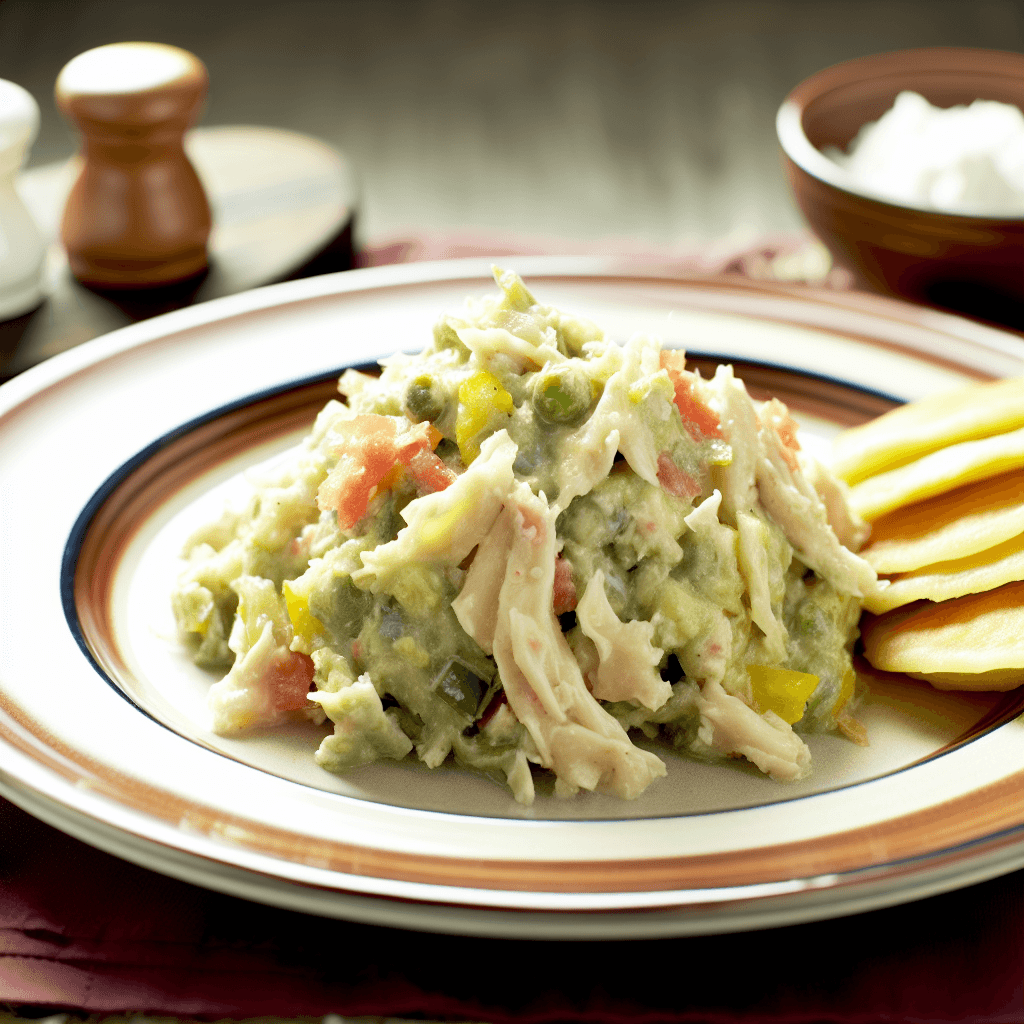
Saltfish Buljol
Flaked salt cod tossed with tomatoes, peppers, and onions — a bright Montserratian breakfast staple.
About This Recipe
Buljol — the name likely derived from the French Creole 'brûle gueule' meaning 'burns the throat' — is a bright, warm salt-cod preparation that appears across the Eastern Caribbean in subtly different forms. Montserrat's version is characteristically direct: salt cod soaked until barely briny, flaked into generous chunks, and tossed with sweet tomatoes, thinly sliced onion, and diced sweet pepper in a pan barely touched with olive oil and sharp lime juice. The result is a dish that straddles the line between a warm salad and a light sauté. Preparation begins the evening before, when the salt cod is submerged in fresh water and left to rehydrate and desalinate overnight. Experienced cooks change this water at least twice before morning, tasting the fish until the salt level drops from aggressively preserved to pleasantly seasoned. A brief boil the following morning loosens the flesh and drives out any remaining brininess, after which the cod is drained, cooled, and shredded into silky, irregular flakes that hold their texture without crumbling. On the Montserratian breakfast table, buljol arrives heaped in a shallow bowl alongside golden johnnycakes — the classic island pairing — or with boiled green banana, yam, and dasheen for a more substantial ground provisions platter. The contrast of the warm, savoury fish against the fresh tomato and citrus makes it one of the Caribbean's most satisfying morning dishes.
Ingredients
Serves 2
- 250 gsalt cod(soaked overnight, drained)
- 2 mediumtomatoes(diced)
- 1 mediumonion(thinly sliced)
- 1 smallsweet pepper(diced)
- 2 tbspolive oil
- 1 tbsplime juice
Instructions
- 1
Soak the salt cod
Place the salt cod in a large bowl and cover with cold water. Soak for at least 12 hours, or overnight, changing the water 2–3 times during this period. The fish is ready when a small pinch tastes pleasantly salty rather than aggressively briny. Thicker pieces may need up to 24 hours.
Taste the water after each change — when it barely tastes of salt, the fish is ready to cook.
- 2
Boil and shred the fish
Drain the soaked cod and place in a small saucepan. Cover with fresh cold water and bring to a boil over medium-high heat. Reduce heat and simmer for 5 minutes until the flesh is opaque and beginning to flake. Drain thoroughly, spread on a plate, and allow to cool for 10 minutes. Use your fingers to pull the fish apart into irregular flakes, discarding any skin and pin bones you encounter.
- 3
Sauté aromatics gently
Warm the olive oil in a wide skillet over medium-low heat. Add the sliced onion and diced sweet pepper and cook gently, stirring occasionally, for 3–4 minutes until the onion is translucent and the pepper has softened slightly but still retains colour. You want everything warm and fragrant, not browned or caramelised.
Keep the heat gentle — this is a light breakfast dish, not a stir-fry. Browning the vegetables changes the character of the dish.
- 4
Add fish and tomatoes
Add the shredded cod and diced tomatoes to the skillet. Toss everything together gently with a wooden spoon or silicone spatula, being careful not to break the fish flakes into small pieces. Cook for about 2 minutes, just enough to warm the tomatoes through without cooking them fully — they should stay fresh and juicy.
- 5
Finish with lime and serve
Remove the skillet from the heat. Drizzle the lime juice over the mixture and toss once more. Taste carefully — the dish should taste bright and savoury; add a tiny pinch of salt only if needed (the fish provides much of the seasoning). Transfer to a serving bowl and eat immediately with johnnycakes, boiled ground provisions, or toasted bread.
Did you make this?
Rate it and help other cooks find the recipes that actually work.
One tap to sign in, and we'll save the rating you just picked.
Everything you need to plan your week — free
- Meal calendar
- Grocery list
- AI recipe ideas
Track what you eat
Snap your meal to log calories and macros, run fasting timers and track water in the free SnapCal app.
Pro Tips
- →
Change the soaking water at least twice — three times is better for very thick, heavily salted pieces. The single biggest mistake with buljol is under-soaking, which makes the dish taste only of salt.
- →
Serve alongside johnnycakes for the classic Montserratian pairing. The slightly sweet, fried cornmeal rounds balance the savoury fish perfectly.
- →
Keep the heat low when sautéing — you are warming the vegetables and fish, not cooking them. High heat makes the fish rubbery and the tomatoes mushy.
- →
Use the freshest, ripest tomatoes available. Since they aren't cooked fully, their quality directly affects the finished dish. Roma or vine tomatoes in peak season are ideal.
- →
For a more substantial meal, serve over sliced ripe avocado, which provides creaminess that complements the salt-cod's lean, flaky texture.
Variations
- •
Avocado version: fan ripe avocado slices on each plate and spoon the buljol over them. The creamy avocado tempers the salinity and adds satisfying richness.
- •
Spicy version: add one minced wiri wiri or half a deseeded scotch bonnet to the aromatics for a fiery version that is popular with those who like genuine heat at breakfast.
- •
Ground provisions version: serve buljol over boiled green banana, dasheen, yam, and eddoe for the hearty 'provisions and saltfish' plate that constitutes a full Montserratian morning meal.
- •
Herb-forward version: toss a generous handful of fresh coriander or flat-leaf parsley through the finished dish for a brighter, more herbaceous flavour profile.
Storage
Buljol is genuinely best eaten immediately while the tomatoes are still fresh and the fish warm. Leftovers can be refrigerated for up to 1 day in a sealed container; do not reheat — eat cold or at room temperature as a sandwich filling.
History & Origin
Salt cod's presence in the Caribbean is inseparable from the brutalities of the Atlantic triangular trade. Dried and heavily salted cod from the North Atlantic fisheries of Newfoundland and New England was shipped to the Caribbean throughout the 17th and 18th centuries as cheap, high-protein provisions for enslaved people on sugar plantations. Cooks across the Eastern Caribbean transformed this preserved fish into vibrant, flavourful dishes using locally grown garden produce — sweet peppers, tomatoes, onions, and citrus — a testament to culinary ingenuity under profoundly unjust circumstances. Buljol is now celebrated as a proud element of Caribbean heritage.
Frequently Asked Questions
How long should I soak the salt cod?
At least 12 hours, changing the water 2–3 times. Very thick cuts from the centre of the fish benefit from up to 24 hours soaking. Taste the fish before cooking — it should taste pleasantly salty, like well-seasoned food, not like a mouthful of sea water.
Can I use fresh fish instead of salt cod?
You can, but the dish will taste quite different. Salt cod has a firmer, more concentrated flavour from the curing process. If substituting fresh fish, poach snapper or cod in lightly salted water until just cooked, then season the finished buljol more assertively with salt and lime to compensate for the missing depth.
Why is my buljol too salty?
The fish wasn't soaked long enough or the soaking water wasn't changed frequently enough. Unfortunately there isn't much you can do to fix it after cooking except bulk the dish out with extra tomatoes, onion, and avocado to dilute the saltiness. Next time, taste the soaking water and the raw fish before cooking.
What is the traditional pairing for buljol?
Johnnycakes — small fried or baked cornmeal breads — are the quintessential accompaniment throughout the Eastern Caribbean. Boiled ground provisions (green banana, yam, dasheen, eddoe) are also traditional and make the meal more filling. Many people eat it on plain white bread as a sandwich when johnnycakes aren't available.
Nutrition Facts
Per serving · 2 servings total
Time Summary
Have Questions?
Ask our AI cooking assistant anything about this recipe — substitutions, techniques, scaling.
Chat with AI Chef →More Montserratian Recipes
You Might Also Like
Similar dishes from other cuisines around the world.
Free Kitchen Tools
Calculators and converters that pair with this page — no signup needed.
Put This Into a Plan
Schedule it, shop for it, and track what you already have.
Read Next
Longer reads that go deeper on the ideas behind this dish.
Community
Join the conversation
Sign in to leave a comment and save your favourite recipes