
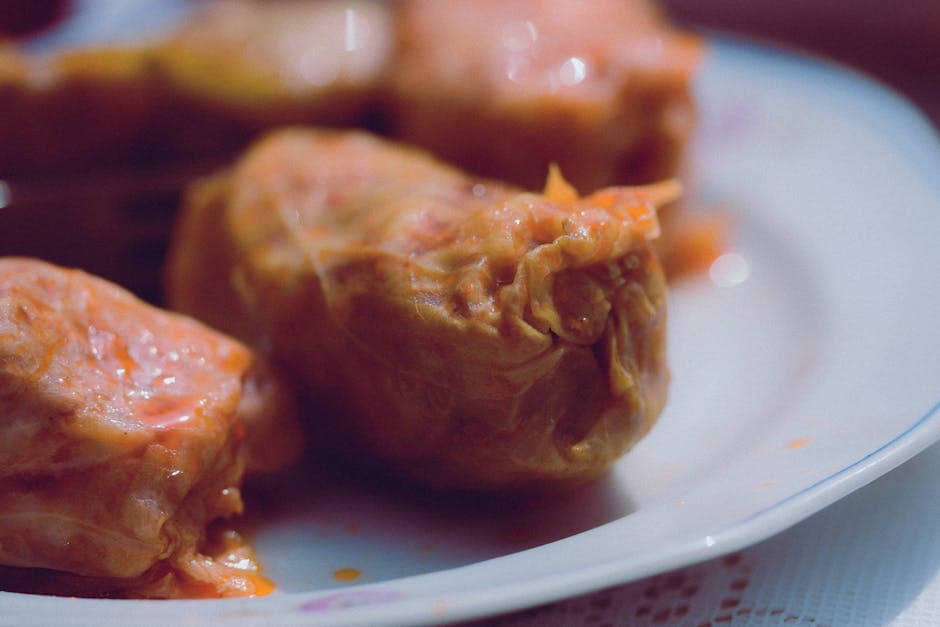
Sarmale (Transylvanian Cabbage Rolls)
Romanian-Transylvanian sour-cabbage rolls of pork, rice, and smoked bacon — slow-braised with sauerkraut and served with mămăligă.
About This Recipe
Sarmale are Romania's defining feast dish — sour-cabbage leaves wrapped around minced pork, rice, smoked bacon, onion, and a generous handful of dill, then layered in a clay pot with shredded sauerkraut and smoked ribs and slowly oven-braised for four hours. In Transylvania the rolls are tiny, almost cigar-thin (just two bites each), reflecting Hungarian and Saxon influences from centuries of shared kitchen tradition. They are essential on Christmas, Easter, weddings, and the patron-saint Slava-equivalents, always served piping hot with creamy mămăligă (Romanian polenta), a dollop of smântână (sour cream), and a small hot pepper or pickled vegetable on the side. The dish demands patience — sarmale eaten the day they're cooked are good; sarmale eaten the day after are unforgettable.
Ingredients
Serves 8
- 1 wholefermented sour cabbage head, about 2 kg
- 700 gminced pork shoulder (20% fat)
- 150 gsmoked bacon, finely diced
- 130 gshort-grain rice, rinsed
- 2 largeyellow onions, finely chopped
- 3 tbsptomato paste
- 2 tbspsweet paprika
- 1 tspfreshly ground black pepper
- 3 tbspfresh dill, finely chopped
- 2 tbspfresh parsley, finely chopped
- 1 tspdried thyme
- 400 gsmoked pork ribs or smoked hock, in pieces
- 200 gshredded sauerkraut, drained
- 3bay leaves
- 1 tspdried whole peppercorns
- 1 tbspdried savory (cimbru)
- 3 tbspsunflower oil or lard
- mămăligă and sour cream, to serve
Instructions
- 1
Prepare cabbage
Carefully separate the leaves from the fermented cabbage head, keeping them whole. Trim the thick spine flat. Cut very large leaves in half. Reserve trimmings and the cabbage core.
- 2
Sweat onion
Heat 2 tbsp oil. Sweat onions over medium for 10 minutes until soft and golden. Add tomato paste and paprika; cook 2 minutes off the heat to bloom the paprika without burning.
- 3
Mix filling
Combine pork, smoked bacon, raw rice, cooled onion mixture, dill, parsley, thyme, black pepper, and a small pinch of salt. Mix by hand for 2 minutes until cohesive and tacky.
- 4
Roll Transylvanian style
Place a leaf on the work surface vein-side down. Spoon 1.5 tbsp filling near the stem end (less than other regions — Transylvanian rolls are small). Fold sides in, roll tightly into a thin cigar. Tuck the open end in with your finger. Repeat to make 30–36 rolls.
- 5
Build the pot
Line the bottom of a deep clay or cast-iron pot with half the shredded sauerkraut and chopped cabbage trimmings. Tuck in pieces of smoked ribs. Arrange rolls seam-side down in tight concentric circles.
- 6
Layer
Add bay leaves, peppercorns, and savory between rolls. Top with more smoked ribs, then a second layer of rolls, finishing with remaining sauerkraut and cabbage trimmings as a blanket on top.
- 7
Add liquid
Pour in just enough cold water to come up to the top layer (about 500–700 ml). Add remaining 1 tbsp oil. Press a heatproof plate on top to keep rolls submerged.
- 8
Slow braise
Cover. Bring to a gentle simmer on the hob, then transfer to a 160°C oven for 3.5 to 4 hours. The longer and gentler, the better. Check at hour 3 — if dry, add a splash of hot water.
- 9
Rest overnight
Cool, refrigerate overnight if possible. Reheat covered at 160°C for 40 minutes the next day.
- 10
Serve
Serve 4 rolls per person with a piece of smoked rib, a generous spoon of mămăligă, a dollop of sour cream, and a small hot green pepper.
Did you make this?
Rate it and help other cooks find the recipes that actually work.
One tap to sign in, and we'll save the rating you just picked.
Everything you need to plan your week — free
- Meal calendar
- Grocery list
- AI recipe ideas
Cook this hands-free
Get AI meal plans, step-by-step cooking mode, and your saved recipes in the free Bento app.
Pro Tips
- →
Transylvanian sarmale must be small — large rolls are Moldavian or Wallachian style. Aim for 3 cm wide, 7 cm long.
- →
Lay the rolls seam-side down so they don't unroll during the long braise.
- →
A piece of smoked bone or hock in the pot is what gives Transylvanian sarmale their Saxon depth — don't skip it.
Variations
- •
Banat version — add 50 g rendered pork fat (slănină) and a glug of red wine to the filling.
- •
Moldavian version — use grape leaves in summer instead of cabbage, with mint replacing dill.
- •
Vegan version (post de Crăciun) — fill with mushrooms, rice, onion, and walnuts; use vegetable oil only.
Storage
Improves dramatically overnight. Refrigerate 6 days; freezes 3 months. Reheat covered with a splash of water.
History & Origin
Sarmale arrived in Romania through Ottoman influence in the 17th century, the name derived from Turkish 'sarma' (wrapped). Transylvania's miniature roll style developed in the Saxon and Hungarian villages of the region, where smaller portions allowed many varieties to be served at multi-course festive meals.
Frequently Asked Questions
Why are my rolls bitter?
Sour cabbage was too acidic or not drained. Rinse leaves quickly under cold water before rolling, and drain sauerkraut well; over-fermented cabbage carries excessive bitterness.
Can I make sarmale with fresh cabbage?
Yes — blanch fresh cabbage leaves in salted boiling water for 3 minutes, then add 2 tbsp lemon juice and 1 tsp salt to the pot liquid to mimic the sourness. But it's not the real thing.
What's mămăligă and why do Romanians always serve it with sarmale?
Mămăligă is Romanian polenta — coarse cornmeal cooked with water and salt until thick and spoonable. Its mild creaminess balances the sour-smoky richness of sarmale; the pairing is sacred.
Nutrition Facts
Per serving (380g / 13.4 oz) · 8 servings total
Time Summary
Have Questions?
Ask our AI cooking assistant anything about this recipe — substitutions, techniques, scaling.
Chat with AI Chef →Featured in Guides
This recipe is featured in the following curated guides:
More Romanian Recipes
You Might Also Like
Similar dishes from other cuisines around the world.
Free Kitchen Tools
Calculators and converters that pair with this page — no signup needed.
Put This Into a Plan
Schedule it, shop for it, and track what you already have.
Read Next
Longer reads that go deeper on the ideas behind this dish.
Community
Join the conversation
Sign in to leave a comment and save your favourite recipes