
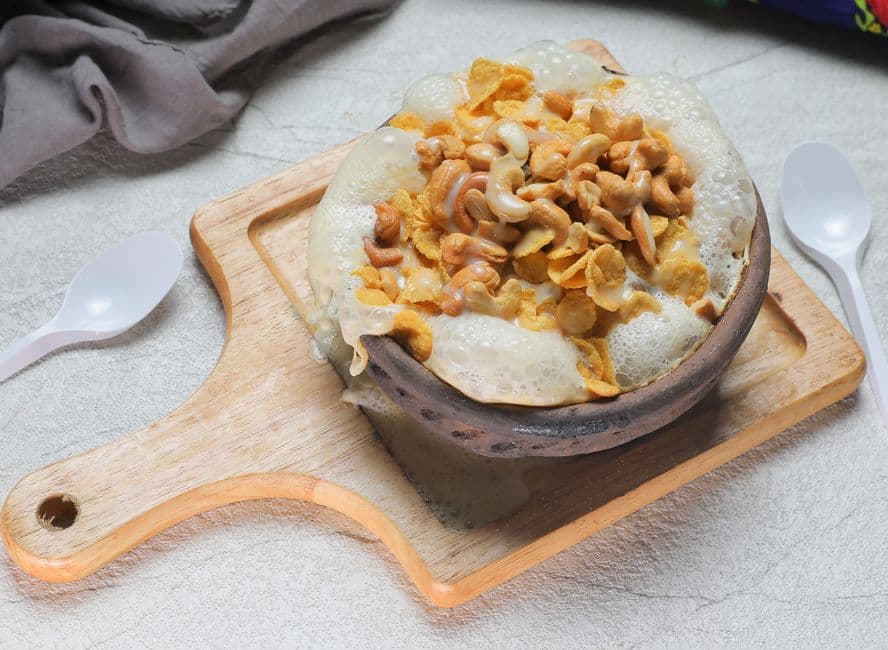
Saleeg
Creamy white rice slow-cooked in spiced chicken broth and finished with warm milk — Saudi Arabia's comforting heirloom rice dish.
About This Recipe
Saleeg is the soul food of the Hejaz region of Saudi Arabia, particularly beloved in Mecca and Medina where it has been eaten for generations. Unlike other Gulf rice dishes, Saleeg is cooked entirely in milk and chicken broth, resulting in an ivory-coloured, risotto-like rice of extraordinary creaminess. The rice absorbs all the liquid slowly, becoming tender and rich without any oil-based frying step. Served with roasted or grilled chicken and a side of bone broth for pouring, Saleeg is the epitome of comforting, nourishing cooking. Its whiteness and simplicity are deceptive — the flavour is deep and complex.
Ingredients
Serves 4
- 1 wholechicken
- 2 cupsshort-grain or Egyptian rice
- 2 cupswhole milk
- 4 cupschicken broth (from boiling the chicken)
- 2 stickscinnamon
- 6 wholecardamom pods
- 4 wholecloves
- 1 tspblack peppercorns
- 2 tspsalt
- 1 largeonion, halved
- 2 tbspghee
Instructions
- 1
Boil the chicken
Place chicken in a pot with onion, cinnamon, cardamom, cloves, peppercorns, and salt. Cover with water and simmer 50 minutes until cooked through. Remove chicken; strain and reserve broth.
- 2
Cook rice in broth and milk
In a heavy pot, combine rinsed rice, 4 cups strained broth, and 2 cups milk. Bring to a gentle boil, stirring occasionally. Reduce heat to very low, cover, and cook 25–30 minutes, stirring every 5 minutes to prevent sticking.
- 3
Finish with ghee
When rice is fully cooked and creamy, stir in ghee. Season with additional salt if needed. The consistency should be looser than regular rice — almost pourable, like thick risotto.
- 4
Prepare and grill the chicken
Season boiled chicken with salt, pepper, and a little oil. Grill or roast at 220°C for 15–20 minutes until the skin is golden and slightly charred.
- 5
Serve
Serve the creamy white Saleeg on a platter with grilled chicken on top. Offer reserved warm broth on the side for diners to pour over as they like.
Did you make this?
Rate it and help other cooks find the recipes that actually work.
One tap to sign in, and we'll save the rating you just picked.
Everything you need to plan your week — free
- Meal calendar
- Grocery list
- AI recipe ideas
Track what you eat
Snap your meal to log calories and macros, run fasting timers and track water in the free SnapCal app.
Pro Tips
- →
Short-grain rice is traditional — its higher starch content creates the distinctive creaminess.
- →
Stir the rice regularly while cooking to release starch and prevent it from catching on the bottom.
- →
The saleeg should be very soft and creamy, not firm — do not aim for separate grains.
- →
Taste and adjust salt at the very end — flavors concentrate as liquids reduce, and a final pinch of flaky salt sharpens the whole dish.
Variations
- •
Lamb Saleeg: use lamb bone broth instead of chicken for a richer flavour profile.
- •
Saffron Saleeg: add a pinch of saffron steeped in milk for a subtle golden hue.
- •
Vegetarian: swap the protein for roasted king oyster mushrooms, smoked tofu or cooked chickpeas — adjust seasoning slightly upward to compensate.
- •
Spicier: add a finely chopped fresh chile or a teaspoon of crushed Aleppo/Urfa pepper to the aromatics for warm, layered heat instead of a single sharp hit.
Storage
Saleeg thickens and firms up when cooled. Refrigerate up to 2 days; reheat gently with added milk or broth, stirring constantly.
History & Origin
Saleeg is considered one of the oldest rice preparations in the Hejaz region and likely pre-dates the widespread availability of the spiced rice dishes now common across the Gulf. Its pale, milky appearance distinguishes it from all other rice dishes in the Arab culinary tradition. It is often the first solid food given to recovering patients and new mothers in Saudi tradition.
Frequently Asked Questions
Can I use long-grain rice?
Short-grain is preferred for maximum creaminess, but long-grain will work — just stir more frequently.
Why is my Saleeg too thick?
Add warm milk gradually and stir to adjust — it should flow from a spoon, not stand in peaks.
Can I make this ahead of time?
Yes — most of the components can be prepared up to a day in advance and refrigerated separately. Reheat gently and assemble just before serving so textures stay distinct.
What can I substitute if I don't have all the ingredients?
Stay close to the role each ingredient plays: swap aromatics for similar ones (shallot for onion, lime for lemon), and keep the fat-acid-salt balance intact. Spice blends can usually be approximated with what's in the cupboard.
Nutrition Facts
Per serving (450g / 15.9 oz) · 4 servings total
Time Summary
Have Questions?
Ask our AI cooking assistant anything about this recipe — substitutions, techniques, scaling.
Chat with AI Chef →Featured in Guides
This recipe is featured in the following curated guides:
More Saudi-arabian Recipes
You Might Also Like
Similar dishes from other cuisines around the world.
Free Kitchen Tools
Calculators and converters that pair with this page — no signup needed.
Put This Into a Plan
Schedule it, shop for it, and track what you already have.
Read Next
Longer reads that go deeper on the ideas behind this dish.
Community
Join the conversation
Sign in to leave a comment and save your favourite recipes