
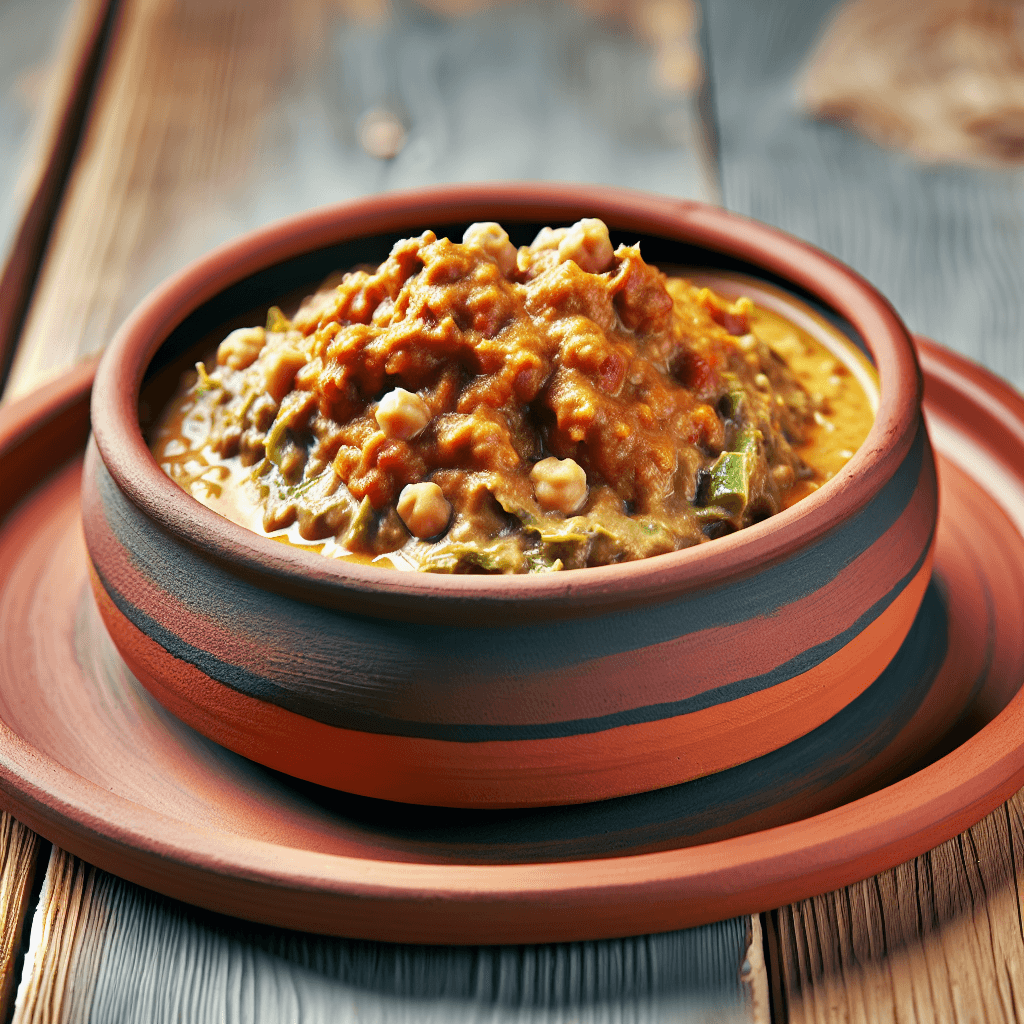
Shiro Misir
Ethiopian mixed legume paste — extra protein, extra flavor.
About This Recipe
Shiro Misir is a richer cousin of shiro wat, Ethiopia's everyday comfort food, made by blending chickpea flour with red lentil flour into one silky, deeply savory stew. Shiro powder is so essential in Ethiopia that households keep it the way Western kitchens keep flour — it is the dish that fed students, travelers, and families through lean times, yet cooked in fragrant niter kibbeh it tastes anything but austere. The two legume flours are whisked gradually into a base of softened onions, garlic, ginger, berbere, and fenugreek, then stirred patiently until the mixture thickens into a smooth, porridge-like paste with a glossy sheen. Served bubbling with a well of spiced butter and fresh cilantro, it is scooped up with injera and disappears fast.
Ingredients
Serves 6
- 1/2 cupchickpea flour
- 1/2 cupred lentil flour
- 3/4 cupniter kibbeh
- 1 largeonion, diced
- 3 clovesgarlic, minced
- 1 tbspfresh ginger, grated
- 1 tspberbere spice
- 1/2 tspfenugreek powder
- 1 tspsalt
- 3/4 cupwater
- 2 tbspfresh cilantro, chopped
Instructions
- 1
Cook aromatics
Melt most of the niter kibbeh in a wide, heavy pan over medium heat — reserve a spoonful for finishing. Cook the diced onion gently for 8 minutes until completely soft and translucent without much browning, then stir in the garlic and ginger and cook 2 minutes until fragrant.
- 2
Bloom the spices
Add the berbere and fenugreek powder to the buttery onion base and stir constantly for about a minute. The fenugreek is shiro's signature note — slightly bitter and maple-like — so don't skip it. The mixture should be aromatic and brick red.
Fenugreek burns quickly and turns acrid; one minute of blooming is enough.
- 3
Add the flours
Reduce the heat to medium-low and sprinkle in the chickpea and lentil flours a few spoonfuls at a time, whisking constantly so each addition is absorbed before the next. Whisking, not stirring, is what keeps shiro lump-free at this critical stage.
Some cooks pre-mix the flours with a little cold water into a slurry first — a nearly foolproof anti-lump method.
- 4
Cook and thicken
Add the water in three additions, whisking each one smooth before the next, then switch to a wooden spoon and cook about 20 minutes, stirring frequently and scraping the bottom. The shiro will sputter and thicken to a soft, spoonable porridge that pulls slightly from the pan's sides.
Shiro spits like polenta as it bubbles — keep the heat moderate and a lid handy as a shield.
- 5
Serve
Taste and season with salt, then spoon the shiro onto a plate or into a small clay dish, smooth a shallow well in the center, and pour in the reserved melted niter kibbeh. Scatter with cilantro and serve hot with plenty of injera for scooping.
Did you make this?
Rate it and help other cooks find the recipes that actually work.
One tap to sign in, and we'll save the rating you just picked.
Everything you need to plan your week — free
- Meal calendar
- Grocery list
- AI recipe ideas
Track what you eat
Snap your meal to log calories and macros, run fasting timers and track water in the free SnapCal app.
Pro Tips
- →
Whisk the flours in gradually off direct high heat — dumping them in at once guarantees stubborn lumps.
- →
Use a wide pan rather than a deep pot; more surface area means faster, more even thickening.
- →
Toast the raw flours briefly in a dry pan beforehand for a deeper, nuttier flavor closer to authentic shiro powder.
- →
Shiro thickens dramatically as it cools, so stop cooking when it is slightly looser than you want at the table.
- →
Longer, slower cooking with frequent stirring rewards you with a silkier texture and rounder flavor.
Variations
- •
Tegabino shiro: cook it thicker in a small clay pot and serve it still bubbling at the table, restaurant-style.
- •
Shiro be tomatim: stir in finely grated tomato with the water for a tangier, lighter stew.
- •
Vegan fasting shiro: replace the niter kibbeh with oil and a pinch of fenugreek and cardamom for aroma.
- •
Spicy miten shiro: double the berbere and finish with a spoonful of awaze chili paste in the central well.
Storage
Refrigerate for up to 4 days in a sealed container; it will set firm when cold. Reheat gently on the stove with a splash of water, whisking until smooth and creamy again — the flavor is often even better on day two.
History & Origin
Shiro is one of Ethiopia and Eritrea's most ubiquitous dishes, a legume-flour stew eaten daily across all social classes and especially vital during Orthodox fasting seasons, when it is made with oil instead of butter. Traditional shiro powder is itself a seasoned blend of roasted ground legumes and spices. This misir variation, cutting chickpea flour with red lentil flour, boosts both the protein and the depth of flavor.
Frequently Asked Questions
Can I make my own legume flours?
Yes, and the result is fresher than most store-bought flour. Grind dried chickpeas and red lentils separately in a high-powered blender or spice grinder until fine, then sift out any coarse bits. For deeper flavor, toast the whole legumes in a dry pan until fragrant before grinding — that roasted note is characteristic of true Ethiopian shiro powder.
How do I fix lumpy shiro?
Whisk vigorously off the heat first — many lumps surrender to a balloon whisk and patience. If they persist, pass the shiro through a fine sieve or blitz it briefly with an immersion blender, then return it to the pan to finish thickening. Next time, pre-mix the flours with cold water into a smooth slurry before adding them.
What consistency should shiro have?
It depends on the style. Standard shiro wat is like a thick, pourable porridge that slowly settles when spooned onto injera, while tegabino shiro is cooked stiffer and served bubbling in its clay pot. Aim for something between hummus and polenta straight off the stove, and remember it firms up considerably as it cools.
Is shiro misir healthy?
The legume base is excellent: high in plant protein, fiber, iron, and folate, with chickpeas and lentils complementing each other nutritionally. The richness comes from the niter kibbeh, which you can reduce by half or replace with a few tablespoons of oil for a lighter, fasting-style version without losing the dish's essential character.
Nutrition Facts
Per serving (250g / 8.8 oz) · 6 servings total
Time Summary
Have Questions?
Ask our AI cooking assistant anything about this recipe — substitutions, techniques, scaling.
Chat with AI Chef →Featured in Guides
This recipe is featured in the following curated guides:
More Ethiopian Recipes
You Might Also Like
Similar dishes from other cuisines around the world.
Browse by Ingredient
More recipes built around the same core ingredients.
Free Kitchen Tools
Calculators and converters that pair with this page — no signup needed.
Put This Into a Plan
Schedule it, shop for it, and track what you already have.
Read Next
Longer reads that go deeper on the ideas behind this dish.
Community
Join the conversation
Sign in to leave a comment and save your favourite recipes