
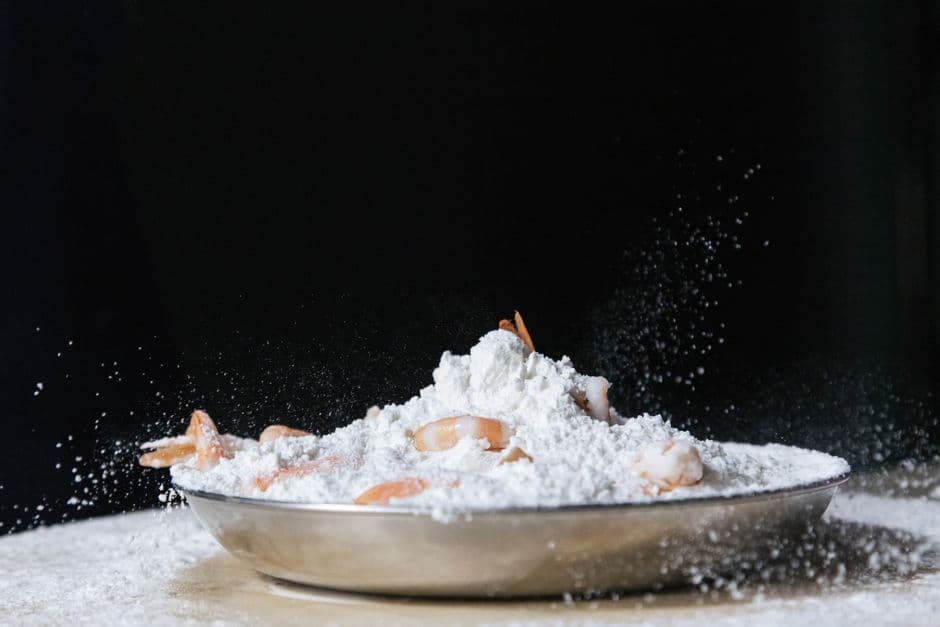
Shrimp Etouffee
Gulf shrimp smothered in a buttery blond-roux Cajun gravy.
About This Recipe
Etouffee, French for smothered, is a Louisiana classic in which shrimp are simmered in a rich, buttery gravy built on a blond to peanut-colored roux and the holy trinity. Lighter in color than gumbo but no less flavorful, the dish gets its body from a butter-based roux rather than a dark oil one, giving it a smooth, velvety texture. Plump Gulf shrimp are added near the end so they stay tender, then everything is served over white rice. Seasoned with Cajun spices, a little tomato, and fresh herbs, it strikes a balance between elegance and rustic comfort. Cooking the roux only to a light blond keeps the gravy delicate and lets the shrimp shine.
Ingredients
Serves 4
- 1.5 lbsshrimp(peeled and deveined)
- 6 tbspbutter
- 0.33 cupall-purpose flour
- 1 largeonion(diced)
- 1green bell pepper(diced)
- 2 ribscelery(diced)
- 3 clovesgarlic(minced)
- 2 cupsshrimp or seafood stock
- 2 tbsptomato paste
- 2 tspCajun seasoning
- 1 tspfresh thyme
- 4green onions(sliced)
- 3 cupscooked white rice(for serving)
Instructions
- 1
Make a blond roux
Melt the butter in a heavy pot over medium heat, whisk in the flour, and cook 8-10 minutes, stirring constantly, until the roux turns a light peanut color. Stop before it darkens to keep the gravy delicate.
A butter roux burns faster than oil, so keep stirring.
- 2
Add the trinity
Stir in the onion, bell pepper, and celery and cook 6-7 minutes until softened. The vegetables release moisture that loosens the roux into a thick paste.
- 3
Build the gravy
Add garlic, tomato paste, Cajun seasoning, and thyme and cook 2 minutes. Gradually whisk in the stock, stirring until the mixture is smooth and thickened into a glossy gravy.
Add stock slowly to avoid lumps in the roux.
- 4
Simmer
Bring to a gentle simmer and cook 15-20 minutes, stirring occasionally, so the flavors meld and the gravy reaches a silky, coating consistency. Adjust seasoning to taste.
- 5
Add the shrimp
Stir in the shrimp and cook just 4-5 minutes until they turn pink and curl. Adding them at the end keeps them plump and tender rather than tough and overcooked.
- 6
Finish and serve
Stir in the green onions, taste for salt and heat, and let rest a minute off the heat. Serve the etouffee ladled generously over hot white rice.
Did you make this?
Rate it and help other cooks find the recipes that actually work.
One tap to sign in, and we'll save the rating you just picked.
Everything you need to plan your week — free
- Meal calendar
- Grocery list
- AI recipe ideas
Track what you eat
Snap your meal to log calories and macros, run fasting timers and track water in the free SnapCal app.
Pro Tips
- →
Cook the roux only to a light blond color for a delicate, buttery gravy.
- →
Use shrimp stock made from the shells for the deepest flavor.
- →
Add the shrimp at the very end so they stay tender.
- →
Let the gravy simmer long enough to lose any raw flour taste.
Variations
- •
Make a crawfish etouffee, the most traditional version, when crawfish tails are in season.
- •
Use a darker roux for a deeper, more gumbo-like flavor.
- •
Add diced tomatoes for a brighter, more Creole-style sauce.
- •
Increase the cayenne and hot sauce for a spicier etouffee.
Storage
Refrigerate up to 3 days. Reheat gently over low heat with a splash of stock so the shrimp do not toughen. The gravy base freezes well for up to 2 months; add fresh shrimp when reheating.
History & Origin
Etouffee, meaning smothered in French, originated in the Cajun and Creole kitchens of south Louisiana, particularly the Acadiana region around Breaux Bridge, famous for crawfish. While crawfish etouffee is the most iconic version, shrimp etouffee is equally beloved along the Gulf Coast, both built on a roux and the holy trinity.
Frequently Asked Questions
What is the difference between etouffee and gumbo?
Etouffee is a thicker, smothered dish served over rice with one main protein simmered in a butter-based roux gravy, while gumbo is more of a soup or stew with a darker oil roux, more liquid, and often multiple proteins. Etouffee uses a lighter blond roux and is richer and more concentrated, whereas gumbo is brothier and deeper in color.
Should etouffee use a light or dark roux?
Traditional etouffee uses a blond to light peanut-colored butter roux, which gives the gravy a smooth, buttery richness without the deep toasty bitterness of a dark roux. Some cooks go slightly darker for more depth, but keeping it light is classic and lets the delicate shrimp flavor come through. Watch a butter roux carefully, as it browns quickly.
Can I make etouffee with crawfish instead of shrimp?
Absolutely, crawfish etouffee is the most iconic version of the dish, especially in the Acadiana region of Louisiana. Substitute an equal weight of cooked, peeled crawfish tails and add them at the end just as you would shrimp, cooking only briefly to heat through. Crawfish fat, if available, can be stirred in for extra richness.
Why is my shrimp tough?
Shrimp cook very quickly and turn rubbery if overcooked. Add them only in the final 4 to 5 minutes, just until they turn pink and curl into a loose C shape. A tight, curled-up O shape means they are overdone. Because the gravy stays hot, residual heat continues cooking them, so err on the side of slightly underdone.
Nutrition Facts
Per serving (400g / 14.1 oz) · 4 servings total
Time Summary
Have Questions?
Ask our AI cooking assistant anything about this recipe — substitutions, techniques, scaling.
Chat with AI Chef →Featured in Guides
This recipe is featured in the following curated guides:
More American Recipes
You Might Also Like
Similar dishes from other cuisines around the world.
Browse by Ingredient
More recipes built around the same core ingredients.
Free Kitchen Tools
Calculators and converters that pair with this page — no signup needed.
Put This Into a Plan
Schedule it, shop for it, and track what you already have.
Read Next
Longer reads that go deeper on the ideas behind this dish.
Community
Join the conversation
Sign in to leave a comment and save your favourite recipes