danishstarter✨ New
Smørrebrød
Denmark's iconic open-faced rye bread sandwich — dense dark rugbrød piled with toppings of pickled herring, egg and prawn in elegant, artistic compositions.
Prep
20 min
Cook
0 min
Servings
4
Difficulty
Easy
★★★★★
4.6(743 ratings)#danish#smørrebrød#rye-bread#herring#nordic#open-sandwich
About This Recipe
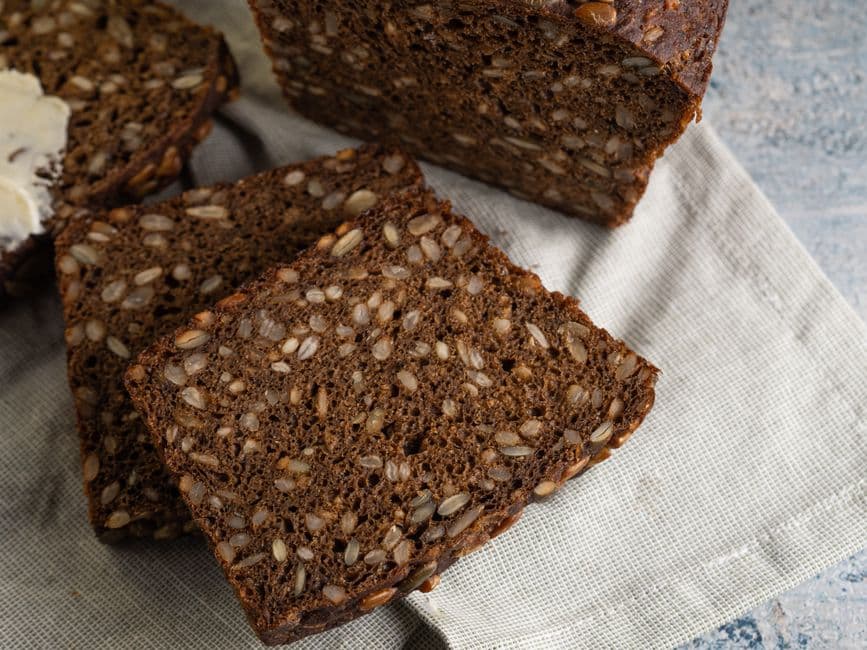
Smørrebrød (literally 'butter bread') is the cornerstone of Danish food culture. These open-faced sandwiches on dense, tangy rugbrød (sourdough rye bread) originated as simple workers' packed lunches in the 19th century but evolved into elaborate culinary compositions that are practically a Danish art form. Traditional toppings include pickled herring with onion rings and capers, smoked salmon with cream cheese and dill, roast beef with remoulade and crispy onions, and egg and prawn with mayonnaise and fresh dill. Each smørrebrød is dressed and eaten as a first course at the traditional Danish lunch (frokost), progressing from herring through meat to cheese. The combination of dark, slightly sour rye bread with rich, creamy and pickled toppings creates a deeply satisfying balance.
Ingredients
Serves 4
- 8 slicesdark sourdough rye bread (rugbrød)
- 80 ggood-quality unsalted butter(softened)
- 200 gpickled herring fillets(drained)
- 1 smallred onion(cut into thin rings)
- 2 tablespoonscapers
- 150 gcooked cold-water prawns (shrimp)
- 4 tablespoonsgood-quality mayonnaise
- 4hard-boiled eggs(peeled and sliced)
- small bunchfresh dill(picked into fronds)
- 1lemon(cut into wedges)
Instructions
- 1
Prepare the bread
If your rugbrød is not pre-sliced, cut it into slices approximately 8mm thick — thinner than the usual sandwich bread but substantial enough to support the toppings. Spread each slice generously to the very edges with softened butter. The butter layer is not optional; it prevents the bread absorbing moisture from the toppings.
- 2
Build herring smørrebrød
Lay 2–3 pickled herring fillets on two buttered slices of bread, slightly overlapping. Top with thin rings of red onion and a scattering of capers. Finish with a couple of fresh dill fronds and a small wedge of lemon on the side.
- 3
Build egg and prawn smørrebrød
Arrange overlapping slices of hard-boiled egg across two buttered bread slices. Spoon a generous mound of cold-water prawns on top, then add a dollop of mayonnaise in the centre. Tuck several dill fronds around the prawns for colour and freshness.
- 4
Dress and present
Smørrebrød is eaten with a knife and fork, never picked up by hand. Arrange the assembled pieces on a wooden board or plate. The presentation should be careful and attractive — this is food that is eaten with the eyes as well as the mouth.
- 5
Serve in the Danish way
Serve the herring smørrebrød first, as is traditional at a proper Danish frokost, followed by the egg and prawn. Accompany with cold lager or a shot of aquavit (snaps) to drink.
Pro Tips
- →
The butter must cover the bread completely — it is a moisture barrier as much as a flavour element.
- →
Authentic rugbrød has a very dense, moist crumb with a slight sourness; pumpernickel is the closest widely available substitute.
- →
Cold-water prawns from the North Sea or North Atlantic have a sweeter, more delicate flavour than warm-water varieties.
- →
Taste and adjust salt at the very end — flavors concentrate as liquids reduce, and a final pinch of flaky salt sharpens the whole dish.
Variations
- •
Dyrlægens natmad ('veterinarian's midnight snack') is a classic with liver pâté, cold veal, aspic and raw onion.
- •
Sol over Gudhjem is a Bornholm speciality: smoked herring, raw egg yolk, radishes and chives.
- •
Vegetarian: swap the protein for roasted king oyster mushrooms, smoked tofu or cooked chickpeas — adjust seasoning slightly upward to compensate.
- •
Spicier: add a finely chopped fresh chile or a teaspoon of crushed Aleppo/Urfa pepper to the aromatics for warm, layered heat instead of a single sharp hit.
Storage
Assemble smørrebrød just before serving. The buttered bread keeps at room temperature for 30 minutes before becoming soggy.
History & Origin
The open sandwich tradition dates to 16th-century Danish workers who used their leftover bread as an edible plate. By the late 19th century, Oskar Davidsen's restaurant in Copenhagen was offering over 178 varieties on its famous metre-long menu.
Frequently Asked Questions
What if I cannot find genuine rugbrød?
Dense, whole-grain sourdough or pumpernickel are the best substitutes. Avoid soft wheat bread — it cannot hold the weight and moisture of the toppings.
Can I make this ahead of time?
Yes — most of the components can be prepared up to a day in advance and refrigerated separately. Reheat gently and assemble just before serving so textures stay distinct.
What can I substitute if I don't have all the ingredients?
Stay close to the role each ingredient plays: swap aromatics for similar ones (shallot for onion, lime for lemon), and keep the fat-acid-salt balance intact. Spice blends can usually be approximated with what's in the cupboard.
How do I know it's authentic?
Authenticity sits on a spectrum — what matters more is honoring the technique and balance of flavors. If the dish tastes harmonious and respects how cooks in its home region would build it, you're on solid ground.
Nutrition Facts
Per serving · 4 servings total
Calories320kcal
Protein18g
Carbohydrates28g
Fat16g
Fiber4g
Protein18g
Carbs28g
Fat16g
Time Summary
Prep time20 min
Cook time0 min
Total time20 min
Have Questions?
Ask our AI cooking assistant anything about this recipe — substitutions, techniques, scaling.
Chat with AI Chef →More Danish Recipes
Community
Join the conversation
Sign in to leave a comment and save your favourite recipes