
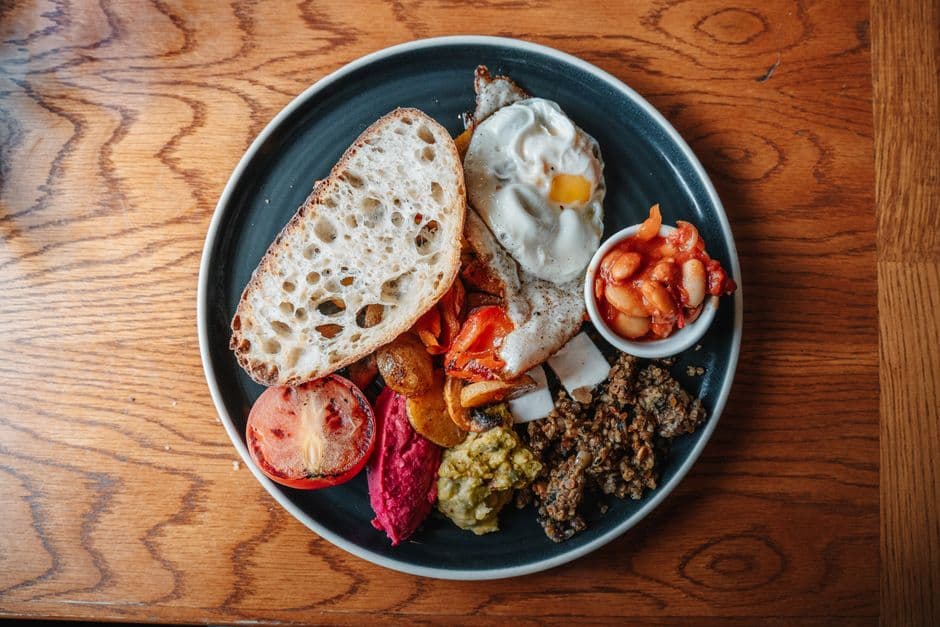
Stovies
Layered potato and onion stew with meat
About This Recipe
A Scottish working-class classic made with layers of potatoes, onions, and beef or corned beef, slow-cooked until creamy and delicious. Simple, hearty, and deeply satisfying. Rooted in the everyday cooking of Scottish kitchens, Stovies balances technique and tradition: the potatoes is treated with care, drawing on time-honoured ratios that locals have refined across generations. The dish carries an unmistakable sensory signature — aromas that fill the kitchen as it cooks, layered textures that reveal themselves bite by bite, and a depth of flavour that comes from patient seasoning rather than shortcuts. Whether served as a weeknight lunch or as the centrepiece of a celebratory table, it reflects a regional pantry where local produce, seasoning habits and cooking vessels shape the final result. Home cooks who make this dish often note how forgiving it is once the core method is understood, and how a few small choices — the freshness of the potatoes, the order of additions, the resting time at the end — separate a good version from a memorable one. This recipe walks through those choices so the dish arrives with the character it has on its home turf.
Ingredients
Serves 4
- 600 gpotatoes(sliced)
- 300 gbeef(diced or corned beef)
- 2 largeonions(sliced)
- 300 mlbeef stock
- 2 tbspdripping or oil
Instructions
- 1
Layer ingredients
In a heavy pot, layer potato slices, onions, and beef. Repeat layers, starting and ending with potato.
Slice potatoes evenly so they cook at the same rate
- 2
Add stock
Pour stock over the layers until just covered. Season with salt and pepper.
Don't use too much stock — you want a moist stew, not soup
- 3
Slow cook
Cover and simmer gently for 40-45 minutes until potatoes are very tender.
Stir occasionally, but gently so potatoes don't break apart
- 4
Serve
The potatoes will have broken down to create a creamy sauce. Serve hot.
Top with fresh parsley and serve with crusty bread
Did you make this?
Rate it and help other cooks find the recipes that actually work.
One tap to sign in, and we'll save the rating you just picked.
Everything you need to plan your week — free
- Meal calendar
- Grocery list
- AI recipe ideas
Cook this hands-free
Get AI meal plans, step-by-step cooking mode, and your saved recipes in the free Bento app.
Pro Tips
- →
Traditional recipes use beef dripping or lard, but oil works fine
- →
Use leftover corned beef from Sunday dinner for an economical meal
- →
The potatoes should almost dissolve to create creaminess
- →
Source the freshest potatoes you can find — it is the flavour anchor of the dish.
- →
Season in layers as you go; tasting at each stage prevents a flat or over-salted final result.
Variations
- •
Add carrots and turnips for more vegetables
- •
Use chicken and chicken stock for a lighter version
- •
Top with grated cheddar and bake in the oven at the end
- •
Vegetarian: replace the main protein with mushrooms, paneer, tofu or hearty beans for a meat-free version.
- •
Spicier: add fresh chilli, a chilli paste or a pinch of cayenne with the aromatics for a warmer profile.
Storage
Store in fridge for up to 3 days. Reheats well on the stovetop. Refrigerate in an airtight container for up to 3–4 days. Reheat gently on the stove over low heat with a splash of water or stock to loosen, or microwave at 60% power covered so it warms without drying. Freezes well for up to 2 months in portioned containers; thaw overnight in the fridge before reheating. Dishes built on dairy or fried elements may shift in texture after freezing — refresh with a crisp garnish.
History & Origin
Stovies was a dish born from Scottish frugality, using leftover meat and potatoes. It became a beloved weeknight dinner for working families.
Frequently Asked Questions
Can I make Stovies ahead of time?
Yes — most components hold well in the fridge for a day or two. Reheat gently with a splash of liquid to bring it back to life.
What can I substitute for potatoes?
If potatoes is hard to find, the closest substitutes share its texture and water content. Adjust seasoning slightly since substitutes often carry less character of their own.
Is this recipe authentic to Scottish cooking?
It follows the most widely accepted home-cook template. Regional variants exist and we note the main ones in the variations section.
Why did my version turn out bland?
Usually under-seasoning or rushing the aromatic stage. Build flavour in layers, taste as you go, and finish with a touch of acid or salt to brighten the dish.
Nutrition Facts
Per serving (380g / 13.4 oz) · 4 servings total
Time Summary
Have Questions?
Ask our AI cooking assistant anything about this recipe — substitutions, techniques, scaling.
Chat with AI Chef →More Scottish Recipes
You Might Also Like
Similar dishes from other cuisines around the world.
Free Kitchen Tools
Calculators and converters that pair with this page — no signup needed.
Put This Into a Plan
Schedule it, shop for it, and track what you already have.
Read Next
Longer reads that go deeper on the ideas behind this dish.
Community
Join the conversation
Sign in to leave a comment and save your favourite recipes