niueandessert
Niuean Taro Poke
Boiled taro mashed with coconut cream and sugar — a simple, satisfying Niuean pudding.
Prep
10 min
Cook
30 min
Servings
6
Difficulty
Easy
4.6
Sign in to rate#taro#coconut cream#dessert#pacific#vegan#gluten-free
Boiled taro mashed with coconut cream and sugar — a simple, satisfying Niuean pudding.
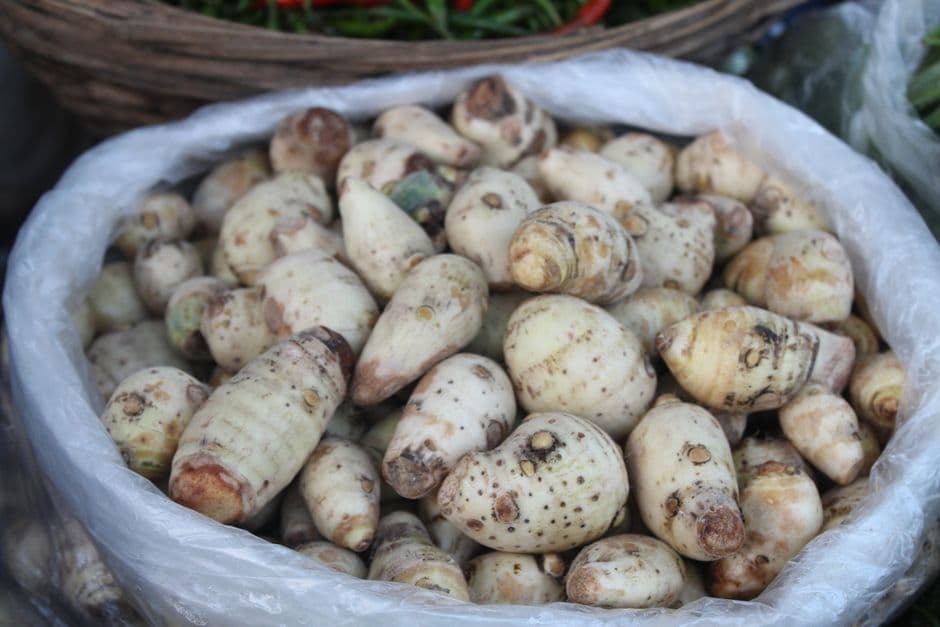
Taro Poke is Niue's counterpart to the Cook Islands banana poke. Freshly boiled taro is mashed while hot, then folded through warm coconut cream and a little sugar to create a dense, comforting pudding. It is served at community feasts alongside fish and vegetables. The texture is similar to mashed potato but richer and more complex in flavour.
Serves 6
Place taro in a pot of salted water. Bring to the boil and cook for 25–30 minutes until very tender. Drain thoroughly.
Heat coconut cream, sugar, and vanilla in a small saucepan until sugar dissolves. Do not boil.
Mash hot taro with a potato masher until smooth. Gradually fold in warm coconut cream mixture until fully incorporated and creamy.
Serve warm in bowls with an extra drizzle of coconut cream.
Drain the taro very well before mashing — excess water makes the poke watery.
Fold the coconut cream in gradually to control the texture.
Weigh dry ingredients on a scale instead of using cups — grams are the difference between a tender and a tough crumb.
Bring eggs and dairy to room temperature before mixing; cold ingredients seize fats and produce a dense, uneven texture.
Stir through 50 g desiccated coconut for texture.
Add mashed ripe banana for a sweeter, more aromatic version.
Vegetarian: swap the protein for roasted king oyster mushrooms, smoked tofu or cooked chickpeas — adjust seasoning slightly upward to compensate.
Spicier: add a finely chopped fresh chile or a teaspoon of crushed Aleppo/Urfa pepper to the aromatics for warm, layered heat instead of a single sharp hit.
Refrigerate for up to 3 days. The poke thickens considerably when cold — reheat with a splash of coconut cream.
Taro Poke reflects Niue's traditional dependence on root vegetables. Taro was the primary carbohydrate on the island before the introduction of imported foods, and it remains central to Niuean identity.
They are related — both are taro-based preparations from Polynesia. Hawaiian poi is fermented and more liquid; Niuean taro poke is fresh, sweeter, and thicker.
Yes — most of the components can be prepared up to a day in advance and refrigerated separately. Reheat gently and assemble just before serving so textures stay distinct.
Stay close to the role each ingredient plays: swap aromatics for similar ones (shallot for onion, lime for lemon), and keep the fat-acid-salt balance intact. Spice blends can usually be approximated with what's in the cupboard.
Authenticity sits on a spectrum — what matters more is honoring the technique and balance of flavors. If the dish tastes harmonious and respects how cooks in its home region would build it, you're on solid ground.
Per serving (240g / 8.5 oz) · 6 servings total
Ask our AI cooking assistant anything about this recipe — substitutions, techniques, scaling.
Chat with AI Chef →Join the conversation
Sign in to leave a comment and save your favourite recipes
Have feedback or need help?
We read every email and reply within 1–2 business days.
© 2026 MyCookingCalendar. All rights reserved.