
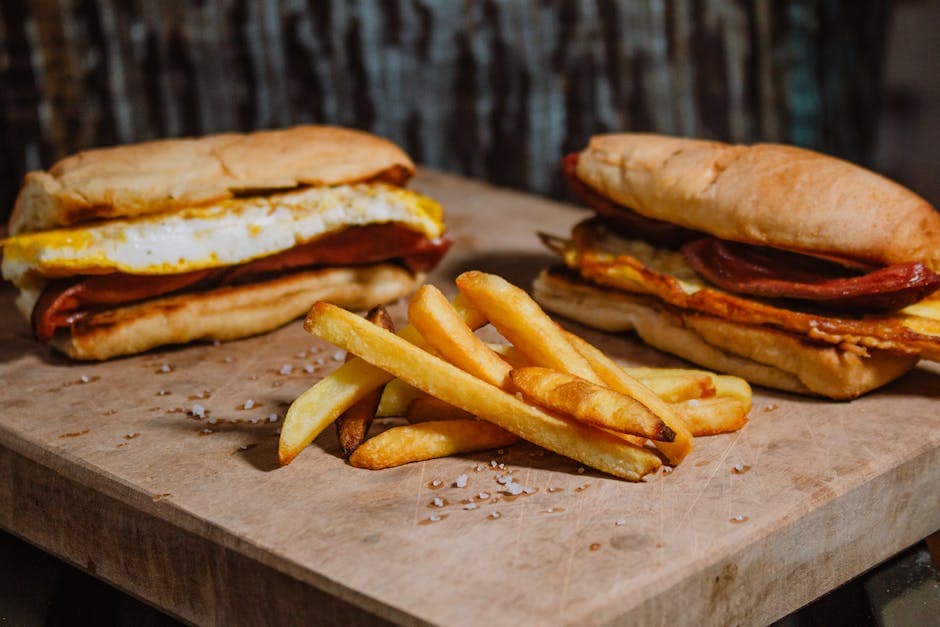
Tunisian Fricassée Sandwich
Tunisia's iconic fried bread roll stuffed with tuna, harissa, olives, and egg — the ultimate street food sandwich.
About This Recipe
Fricassée is Tunis's great contribution to sandwich culture — a small, round, slightly sweet fried bread roll, split and crammed with tuna, harissa, boiled egg, olives, preserved lemon, and capers. Every fricassée stand in the medina has its own combination, but the combination of pillowy fried bread, spicy harissa, and briny fillings is always transcendent. It costs almost nothing and is worth everything.
Ingredients
Serves 6
- 3 cupsall-purpose flour
- 1 tspinstant yeast
- 2 tspsugar
- 1 tspsalt
- 1 cupwarm water
- 2 tbspolive oil
- 2 cupsoil for frying
- 200 gcanned tuna, drained
- 2 tbspharissa
- 1/2 cupblack olives, pitted
- 3 largeeggs, hard-boiled and sliced
- 2 tbspcapers
Instructions
- 1
Make the dough
Mix flour, yeast, sugar, and salt. Add warm water and olive oil. Knead 8 minutes until smooth. Cover and rest 1 hour until doubled.
- 2
Shape the rolls
Divide dough into 12 portions. Shape each into a small smooth roll. Place on a floured tray, cover, and rest 20 minutes.
- 3
Fry the rolls
Heat oil to 170°C (340°F). Fry rolls in batches for 3–4 minutes per side until golden brown. Drain on paper towels.
- 4
Assemble
Split each roll. Spread harissa on both cut sides. Fill with tuna, egg slices, olives, and capers.
- 5
Serve
Serve immediately while the bread is still warm.
Did you make this?
Rate it and help other cooks find the recipes that actually work.
One tap to sign in, and we'll save the rating you just picked.
Everything you need to plan your week — free
- Meal calendar
- Grocery list
- AI recipe ideas
Track what you eat
Snap your meal to log calories and macros, run fasting timers and track water in the free SnapCal app.
Pro Tips
- →
The dough should be soft — slightly sticky is correct.
- →
Don't rush the frying — golden color means properly cooked dough.
- →
Harissa on both sides is the Tunisian way.
- →
Taste and adjust salt at the very end — flavors concentrate as liquids reduce, and a final pinch of flaky salt sharpens the whole dish.
Variations
- •
Add preserved lemon (qodra) for authenticity
- •
Include grilled vegetables
- •
Make larger rolls for a more substantial sandwich
- •
Vegetarian: swap the protein for roasted king oyster mushrooms, smoked tofu or cooked chickpeas — adjust seasoning slightly upward to compensate.
Storage
Fried rolls keep 1 day. Assemble only what you'll eat immediately.
History & Origin
The fricassée sandwich is uniquely Tunisian, developed in the street food culture of Tunis's medina. The name (French for a cooking method) was adapted by Tunisian vendors during the French protectorate era.
Frequently Asked Questions
Can I bake the rolls instead of frying?
You can bake them (200°C, 15 min) but they'll be very different — the fried version has a characteristic slightly doughy interior with a thin crust.
Where do I find harissa?
Most Middle Eastern and international grocery stores carry harissa. Look for Tunisian brands like Moulins Mahjoub or make your own.
Can I make this ahead of time?
Yes — most of the components can be prepared up to a day in advance and refrigerated separately. Reheat gently and assemble just before serving so textures stay distinct.
What can I substitute if I don't have all the ingredients?
Stay close to the role each ingredient plays: swap aromatics for similar ones (shallot for onion, lime for lemon), and keep the fat-acid-salt balance intact. Spice blends can usually be approximated with what's in the cupboard.
Nutrition Facts
Per serving · 6 servings total
Time Summary
Have Questions?
Ask our AI cooking assistant anything about this recipe — substitutions, techniques, scaling.
Chat with AI Chef →Featured in Guides
This recipe is featured in the following curated guides:
More Tunisian Recipes
You Might Also Like
Similar dishes from other cuisines around the world.
Browse by Ingredient
More recipes built around the same core ingredients.
Free Kitchen Tools
Calculators and converters that pair with this page — no signup needed.
Put This Into a Plan
Schedule it, shop for it, and track what you already have.
Read Next
Longer reads that go deeper on the ideas behind this dish.
Community
Join the conversation
Sign in to leave a comment and save your favourite recipes