
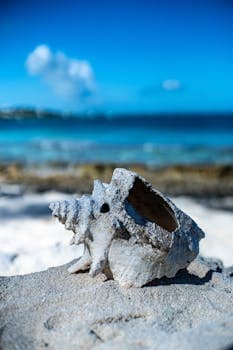
Turks & Caicos Cracked Conch
Tenderised conch fillets battered and deep-fried until golden and crispy.
About This Recipe
Cracked conch is arguably the most iconic comfort food of the Turks & Caicos Islands — found at every local conch shack, beach bar, and family cookout from Providenciales to Grand Turk. The name comes from the process of 'cracking' the conch from its shell, after which the large muscle is pounded vigorously with a meat tenderiser or the back of a heavy knife to break down its famously tough fibres. Only after this step does the conch become tender enough to fry beautifully, transforming from chewy to satisfyingly tender within a shattering golden crust. The batter is a matter of local pride. Most islanders use a simple seasoned flour dredge — garlic powder, paprika, a pinch of cayenne, salt and pepper — sometimes preceded by a dip in beaten egg or seasoned buttermilk to help the coating adhere. The conch is then lowered into oil maintained at a steady 180 °C (350 °F); any cooler and the coating absorbs oil rather than crisping, any hotter and the outside burns before the meat heats through. The fry takes just 2–3 minutes per side, leaving a golden, crackling exterior over moist, sweet conch meat. Served with lime wedges, Scotch bonnet hot sauce, and a side of peas and rice or a heap of coleslaw, cracked conch is the island's answer to fried chicken — universally beloved, endlessly satisfying, and the kind of dish that sends visitors straight to the fish market to figure out how to make it at home.
Ingredients
Serves 4
- 600 gconch meat(pounded thin)
- 1 cupall-purpose flour
- 1 tspgarlic powder
- 1 tsppaprika
- 1egg(beaten)
- oilvegetable oil(for deep frying)
Instructions
- 1
Tenderise the conch
Place each conch piece between two sheets of plastic wrap and pound with a meat mallet or the bottom of a heavy skillet, working from the centre outward, until the piece is about 8 mm thick and noticeably flattened. The muscle fibres should feel broken and pliable — this step is non-negotiable for tender results. Pat dry with paper towels.
Pound energetically but not so hard you shred the meat; 20–30 firm strikes per piece is usually sufficient.
- 2
Season the flour
Combine the flour, garlic powder, paprika, 1 teaspoon of salt, ½ teaspoon of black pepper, and optionally a pinch of cayenne in a wide, shallow bowl. Whisk together so the seasoning is evenly distributed throughout the flour — uneven mixing means some pieces will be blandly coated and others overly spiced.
- 3
Set up the breading station
Beat the egg with 2 tablespoons of water or milk in a second shallow bowl until fully homogeneous. The egg wash acts as the adhesive layer that makes the seasoned flour cling rather than falling straight off during frying. Arrange the conch, egg wash, and seasoned flour in an assembly line.
- 4
Bread the conch
Dip each conch piece in the egg wash, letting excess drip off, then lay it in the seasoned flour and press firmly on both sides so the coating fully adheres. Shake off any excess loose flour and set on a clean plate. Let the breaded pieces rest 5 minutes before frying — this drying period helps the coating bond.
Double-dredge for an extra-thick crust: egg wash → flour → egg wash → flour again.
- 5
Heat the oil
Pour at least 5 cm of vegetable or canola oil into a deep, heavy-bottomed pot or Dutch oven. Heat over medium-high until a kitchen thermometer reads exactly 180 °C (350 °F). Use a thermometer — guessing the temperature is the single most common reason fried food turns out greasy rather than crispy.
- 6
Fry in batches
Lower 2–3 pieces of conch into the hot oil using a spider skimmer or tongs — never crowd the pot or the temperature will drop dramatically and the coating will absorb oil instead of crisping. Fry 2–3 minutes per side until deep golden brown, then transfer to a wire rack set over a baking sheet.
A wire rack keeps air circulating under the conch; paper towels trap steam and make the bottom soggy.
- 7
Serve immediately
Arrange on a platter and serve within minutes — cracked conch loses its crispness quickly. Accompany with lime wedges, island hot sauce, and peas and rice or coleslaw on the side.
Did you make this?
Rate it and help other cooks find the recipes that actually work.
One tap to sign in, and we'll save the rating you just picked.
Everything you need to plan your week — free
- Meal calendar
- Grocery list
- AI recipe ideas
Track what you eat
Snap your meal to log calories and macros, run fasting timers and track water in the free SnapCal app.
Pro Tips
- →
Pound conch aggressively and thoroughly — under-pounded conch is the most common reason homemade cracked conch tastes rubbery and nothing like the beach-shack version.
- →
Maintain oil at 180 °C throughout the fry; check between batches and allow the oil to return to temperature before adding the next round. An instant-read thermometer costs very little and makes the difference between crispy and greasy.
- →
For the crispiest coating, season the flour generously — the crust should taste well-seasoned on its own since the conch inside contributes little sodium. Add a pinch of ground allspice to the flour for an authentic Caribbean note.
- →
Rest breaded, unfried conch in the refrigerator for up to 30 minutes before frying — the cold helps the coating adhere even better and gives you flexibility when cooking for a crowd.
- →
Serve immediately on a wire rack, never stacked — stacking traps steam between pieces and destroys the crisp coating you worked for.
Variations
- •
Coconut-crusted cracked conch: replace half the flour with desiccated coconut and add a pinch of ground ginger — this version is served at resort restaurants across Providenciales and pairs beautifully with a mango dipping sauce.
- •
Conch fritters: instead of whole pieces, mince the pounded conch finely and fold into a seasoned cornmeal-and-flour batter with diced peppers, then drop spoonfuls into hot oil for golf-ball-sized fritters.
- •
Cracked conch wrap: pile freshly fried conch into warm flour tortillas or johnny cake with shredded cabbage, sliced avocado, and a drizzle of scotch bonnet mayo — a popular beach bar lunch.
- •
Oven-baked version: brush breaded conch with a thin coat of oil and bake on a wire rack set over a baking sheet at 220 °C for 12–15 minutes, flipping once — less crispy than fried but significantly lighter.
Storage
Cracked conch is at its absolute best eaten the moment it comes out of the oil. If reheating leftovers, place on a wire rack in a preheated air-fryer at 190 °C for 4–5 minutes — this restores most of the crispness. Avoid the microwave entirely as it turns the coating leathery. Do not freeze breaded or cooked conch.
History & Origin
Conch has been harvested in the shallow Caicos Banks for thousands of years — Lucayan Taíno middens (ancient rubbish heaps) excavated on Providenciales contain enormous quantities of queen conch shells, testament to how central the shellfish was to pre-colonial island life. The fried, battered preparation became popular during the twentieth century as Caribbean foodways merged with American deep-fry traditions, and cracked conch is now so deeply embedded in island identity that the queen conch shell appears on the Turks & Caicos Islands coat of arms.
Frequently Asked Questions
Can I bake cracked conch instead of frying it?
Yes — brush the breaded pieces generously with oil and bake on a wire rack at 220 °C for 12–15 minutes, flipping halfway through. The coating will be less shattering-crispy than deep-fried but very acceptable, and the conch stays moist. An air-fryer at 200 °C for 10–12 minutes gives the best baked result.
What can I substitute for conch?
Large abalone steaks (pounded thin) are the closest substitute in flavour and texture. Whelk works well too. In a pinch, thick calamari steaks (scored on both sides to prevent curling) produce a similar fried result, though the flavour is milder. Avoid replacing conch with shrimp — the cooking time and texture are too different.
Why is my batter falling off during frying?
The most common causes are not drying the conch before breading (moisture creates steam that lifts the coating), not allowing the breaded pieces to rest before frying (the coating needs time to adhere), and oil that is not hot enough (the coating needs to immediately set on contact). Ensure you pat the conch dry, rest the breaded pieces for at least 5 minutes, and verify oil temperature with a thermometer before each batch.
How do I keep cracked conch crispy when cooking for a crowd?
Place finished pieces on a wire rack over a baking sheet in a 120 °C oven while you fry the remaining batches. This keeps them warm and maintains crispness for up to 20–30 minutes without continuing to cook the inside. Never stack pieces or cover with foil — both generate steam that softens the crust.
Nutrition Facts
Per serving · 4 servings total
Time Summary
Have Questions?
Ask our AI cooking assistant anything about this recipe — substitutions, techniques, scaling.
Chat with AI Chef →Featured in Guides
This recipe is featured in the following curated guides:
More Turks-and-caicos Recipes
You Might Also Like
Similar dishes from other cuisines around the world.
Free Kitchen Tools
Calculators and converters that pair with this page — no signup needed.
Put This Into a Plan
Schedule it, shop for it, and track what you already have.
Read Next
Longer reads that go deeper on the ideas behind this dish.
Community
Join the conversation
Sign in to leave a comment and save your favourite recipes