
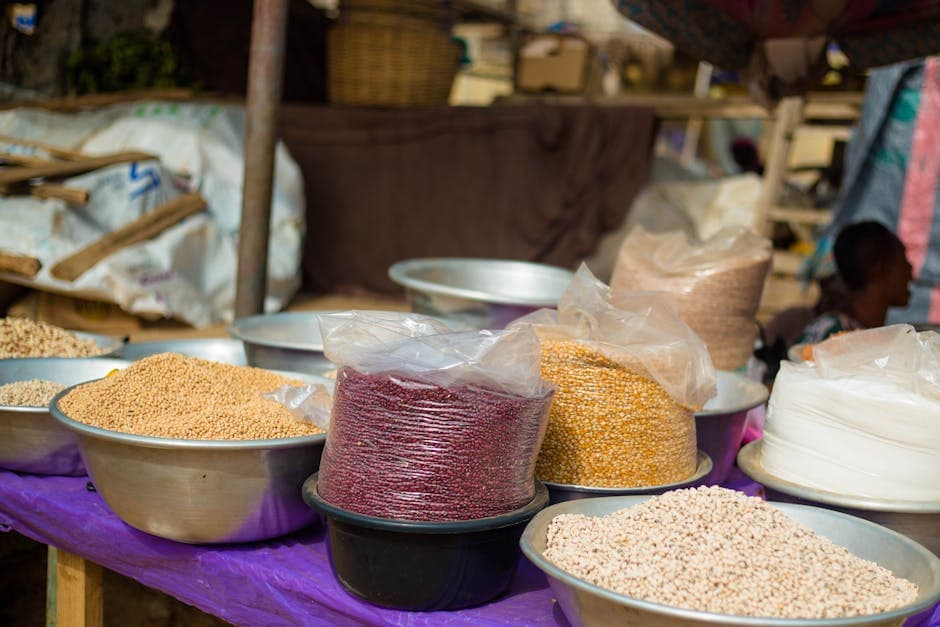
Waakye (Ghanaian Rice and Beans)
Ghana's iconic burgundy rice-and-beans tinted with sorghum leaves, served with stew, shito, gari, and fried plantain.
About This Recipe
Waakye (pronounced 'WAH-chey') is northern Ghana's gift to West African cooking and one of the country's most beloved street breakfasts. Rice and black-eyed peas (or cowpeas) are cooked together with dried sorghum or millet leaves — locally called 'waakye leaves' — which release a rich burgundy-purple color and a faintly earthy flavor. The plate, served on a banana leaf or wax paper, is built around the rice: spicy tomato stew (usually with goat, beef, or fish), shito (Ghana's smoky pepper sauce), boiled egg, fried sweet plantain (kelewele or aboboi), gari (toasted cassava flakes for crunch), and shredded raw spaghetti or salad. The orchestration of textures and temperatures — soft, hot, sour, crunchy, sweet, fiery — is what makes a great plate of waakye.
Ingredients
Serves 6
- 300 gblack-eyed peas or cowpeas, soaked 4 hours
- 1.5 Lwater
- 8dried sorghum/millet leaves (waakye leaves) — or 1 tsp baking soda + 1 tbsp dried hibiscus
- 1 tspsalt
- 350 glong-grain parboiled rice, rinsed
- 500 gbeef chuck or goat, cubed
- 1 tspsalt
- 2 tbspred palm oil (or neutral oil)
- 1 largeonion, diced
- 4 clovesgarlic, minced
- 1 thumbginger, minced
- 1scotch bonnet, minced (use half for less heat)
- 4tomatoes, blended
- 2 tbsptomato paste
- 1 tspground coriander
- 1 tspground white pepper
- 4hard-boiled eggs, halved
- 2ripe plantains, sliced and fried
- 60 ggari (toasted cassava granules)
- shito (Ghanaian black pepper sauce) to serve
Instructions
- 1
Start beans
Drain soaked beans. Combine with water and waakye leaves in a heavy pot. (If using substitute: omit baking soda for now; add hibiscus tied in cheesecloth.) Bring to a boil, then simmer 35 minutes until beans are al dente.
- 2
Add rice
Stir in salt and rice. Top up water if needed so rice is barely submerged. Cover; cook over low heat 18–20 minutes until rice is tender and most liquid is absorbed. (If using baking soda substitute, add a pinch now for color.)
- 3
Rest and check color
Remove from heat. The rice and beans should be a deep dusky purple. Fluff with a fork. Cover and let steam 10 minutes.
- 4
Make stew
Season beef with salt; sear in palm oil 5 minutes. Remove. Sauté onion 4 minutes; add garlic, ginger, scotch bonnet; cook 1 minute. Add blended tomato, paste, coriander, white pepper; reduce 8 minutes until thick and dark.
- 5
Stew the meat
Return beef with 200ml water. Simmer 35–40 minutes until beef is tender and sauce is glossy and reduced.
- 6
Assemble
On each plate: a scoop of waakye rice, a ladle of stew with a chunk of meat, half a boiled egg, two fried plantain slices.
- 7
Finish with sides
Sprinkle gari over the rice for crunch. Spoon shito on the side — start small, this stuff is potent. Eat with hands or fork, mixing as you go.
Did you make this?
Rate it and help other cooks find the recipes that actually work.
One tap to sign in, and we'll save the rating you just picked.
Everything you need to plan your week — free
- Meal calendar
- Grocery list
- AI recipe ideas
Track what you eat
Snap your meal to log calories and macros, run fasting timers and track water in the free SnapCal app.
Pro Tips
- →
Authentic waakye leaves are sold at West African groceries — they're the only way to get the proper burgundy color. The hibiscus + baking soda combination is the best stand-in.
- →
Use parboiled rice (not basmati) — it stays separate and absorbs the bean liquor evenly, which basmati won't.
- →
Don't skip the gari topping — its crunch is essential to the dish's signature texture contrast.
Variations
- •
Vegetarian waakye: skip beef stew; use a hearty mushroom-and-spinach stew with palm oil.
- •
With fish: substitute fried smoked mackerel or tilapia for the beef.
- •
Serve with talia (raw shredded spaghetti) instead of gari for the Accra street-vendor style.
Storage
Rice and beans refrigerate 3 days; reheat with a splash of water in a covered pan. Stew keeps 4 days and improves overnight. Shito keeps months refrigerated.
History & Origin
Waakye originated in Hausa-speaking northern Ghana and northern Nigeria, where the name comes from the Hausa words 'shinkafa da wake' (rice and beans). It spread to Accra in the 20th century and became a national street breakfast.
Frequently Asked Questions
What are waakye leaves?
They are the dried red sorghum or millet leaves (specifically Sorghum bicolor leaves) that release a deep burgundy color and faint earthy flavor when boiled. There's no exact substitute — dried hibiscus plus a pinch of baking soda gets you closest.
What is shito?
Shito is Ghana's signature black pepper sauce, made from dried fish, prawns, ginger, garlic, chilies, and oil cooked slowly to a dark paste. It's intense, smoky, and very spicy — use sparingly until you know your tolerance.
Can I use canned beans?
You can, but the bean liquor that flavors and colors the rice is lost. If using canned, boil the empty rice with 50% bean cooking liquid (or a stock cube) plus the hibiscus/baking soda combination.
Is waakye eaten only at breakfast?
Traditionally yes — vendors sell it from early morning through about noon. By lunchtime most stands are sold out. It's heavy enough to be lunch, but in Ghana it's culturally a morning food.
Nutrition Facts
Per serving (520g / 18.3 oz) · 6 servings total
Time Summary
Have Questions?
Ask our AI cooking assistant anything about this recipe — substitutions, techniques, scaling.
Chat with AI Chef →Featured in Guides
This recipe is featured in the following curated guides:
More Ghanaian Recipes
You Might Also Like
Similar dishes from other cuisines around the world.
Browse by Ingredient
More recipes built around the same core ingredients.
Free Kitchen Tools
Calculators and converters that pair with this page — no signup needed.
Put This Into a Plan
Schedule it, shop for it, and track what you already have.
Read Next
Longer reads that go deeper on the ideas behind this dish.
Community
Join the conversation
Sign in to leave a comment and save your favourite recipes