
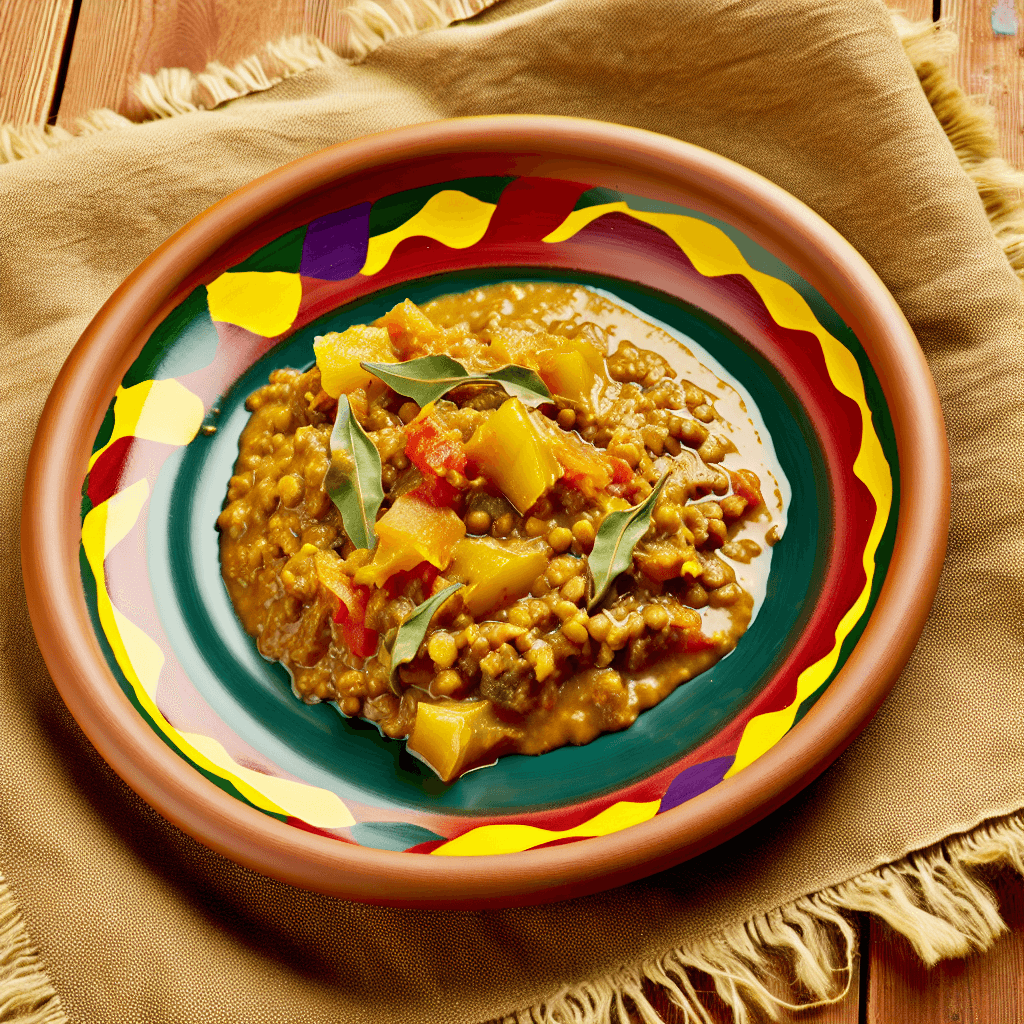
Yetsom Wat
Ethiopian vegan lentil and vegetable stew with spices — the fasting classic.
About This Recipe
Yetsom Wat — literally 'fasting stew' — is the backbone of Ethiopia's remarkable vegan cooking tradition. Ethiopian Orthodox Christians abstain from all animal products on roughly 250 days a year, and out of that discipline grew one of the world's great plant-based cuisines. This version builds red lentils on a base of slowly caramelized onions, garlic, and ginger, perfumed with berbere — the fiery, complex chili-spice blend at the heart of Ethiopian cooking — and turmeric for earthiness and color. The lentils collapse into a thick, velvety stew that clings beautifully to spongy injera bread. Despite its humble ingredient list, the depth of flavor is striking: sweet onion, warming spice, gentle heat, and the bright acidity of tomatoes added near the end.
Ingredients
Serves 6
- 2 cupsred lentils
- 1/4 cupoil
- 2 largeonions, diced
- 4 clovesgarlic, minced
- 1 tbspfresh ginger, grated
- 2 tspberbere spice
- 1 tspturmeric
- 1 tspsalt
- 4 cupswater
- 2 mediumtomatoes, diced
Instructions
- 1
Sauté aromatics
Heat the oil in a heavy pot over medium heat and cook the diced onions slowly for a full 10 minutes, stirring often, until soft and golden — Ethiopian wats depend on deeply cooked onions for body and sweetness. Stir in the garlic and ginger and cook 2 minutes more until fragrant.
Ethiopian cooks often start onions in a dry pot before adding fat; either way, do not rush this stage — pale onions make a thin, flat stew.
- 2
Bloom the spices
Add the berbere and turmeric directly to the onion base and stir constantly for about a minute. Toasting the spices in hot oil blooms their aromatics and deepens the berbere's brick-red color. If the pot looks dry, add a splash of water to prevent scorching.
Berbere blends vary wildly in heat — taste yours first and scale between 1 and 3 teaspoons accordingly.
- 3
Add lentils
Rinse the red lentils until the water runs mostly clear, then stir them into the pot to coat in the spiced oil. Pour in the water, scrape up any browned bits from the bottom, and bring everything to a rolling boil.
- 4
Simmer
Reduce to a gentle simmer, partially cover, and cook about 35 minutes, stirring every few minutes as the lentils thicken and begin to stick. Add the diced tomatoes in the final 10 minutes so they soften but keep some brightness. The finished wat should be thick enough to mound on injera.
If it thickens too fast, loosen with hot water a half cup at a time — red lentils absorb liquid greedily.
- 5
Serve
Season with salt, taste, and adjust the berbere if you want more heat. Ladle generous mounds onto injera alongside other vegetable dishes, and eat in the traditional way — tearing pieces of injera and scooping up the stew with your right hand.
Did you make this?
Rate it and help other cooks find the recipes that actually work.
One tap to sign in, and we'll save the rating you just picked.
Everything you need to plan your week — free
- Meal calendar
- Grocery list
- AI recipe ideas
Track what you eat
Snap your meal to log calories and macros, run fasting timers and track water in the free SnapCal app.
Pro Tips
- →
Stir frequently in the last 15 minutes — red lentils break down and will scorch on the bottom of the pot if neglected.
- →
Caramelize the onions properly; their slow-cooked sweetness is what balances the berbere's heat.
- →
Bloom the berbere in oil rather than stirring it into liquid — it makes a noticeable difference in aroma.
- →
The stew should be thick enough to hold its shape on injera; loosen with hot water or simmer down to adjust.
- →
Like most wats, this tastes even better the next day after the spices have had time to meld.
Variations
- •
Add cubed butternut squash or sweet potato with the lentils for a sweeter, heartier fasting stew.
- •
Use brown or green lentils for a wat with more bite — extend the simmer to about 45 minutes.
- •
Stir in chopped spinach or collard greens during the last 5 minutes for a one-pot gomen-style hybrid.
- •
Make it alicha-style by omitting the berbere and leaning on turmeric, garlic, and ginger for a mild yellow stew.
Storage
Refrigerate in an airtight container for up to 5 days — the flavor deepens overnight. It also freezes well for up to 3 months; reheat gently with a splash of water to restore its creamy consistency.
History & Origin
Yetsom Wat belongs to Ethiopia's centuries-old Orthodox Christian fasting tradition, in which believers abstain from meat, dairy, and eggs for around 250 days each year, including the long Lenten fast. This religious discipline produced one of the world's richest vegan culinary repertoires, the beyaynetu platter of assorted fasting dishes. Lentil wats like this one remain everyday staples in Ethiopian and Eritrean homes and restaurants worldwide.
Frequently Asked Questions
How long is the Ethiopian fasting period?
Ethiopian Orthodox Christians observe fasting days on roughly 250 days of the year, including every Wednesday and Friday plus longer seasons like the 55-day Lenten fast before Easter. On fasting days no animal products are eaten, which is why Ethiopia developed such an extensive repertoire of vegan stews, greens, and legume dishes like this one.
What is berbere and can I substitute it?
Berbere is Ethiopia's signature spice blend: dried chilies combined with garlic, ginger, fenugreek, cardamom, coriander, and other warm spices. There is no perfect substitute, but in a pinch combine smoked paprika and cayenne with a pinch each of ground fenugreek, cardamom, and allspice. Buying or making real berbere is worth it — it defines the dish.
Is this the same as misir wat?
They are close cousins. Misir wat specifically means red lentil stew and is usually heavily spiced with berbere, while yetsom wat is the broader category of fasting stews, which may include lentils, split peas, or vegetables. This recipe is essentially a misir-style fasting wat; on a beyaynetu platter it would sit alongside several other fasting dishes.
What do I serve it with if I can't find injera?
Injera's tangy flavor and spongy texture are ideal, and many international groceries stock it frozen. Failing that, serve the wat over rice, with flatbread like lavash or chapati, or simply as a thick lentil soup with crusty bread. A squeeze of lemon mimics a little of injera's sourness.
Nutrition Facts
Per serving (350g / 12.3 oz) · 6 servings total
Time Summary
Have Questions?
Ask our AI cooking assistant anything about this recipe — substitutions, techniques, scaling.
Chat with AI Chef →More Ethiopian Recipes
You Might Also Like
Similar dishes from other cuisines around the world.
Browse by Ingredient
More recipes built around the same core ingredients.
Free Kitchen Tools
Calculators and converters that pair with this page — no signup needed.
Put This Into a Plan
Schedule it, shop for it, and track what you already have.
Read Next
Longer reads that go deeper on the ideas behind this dish.
Community
Join the conversation
Sign in to leave a comment and save your favourite recipes