
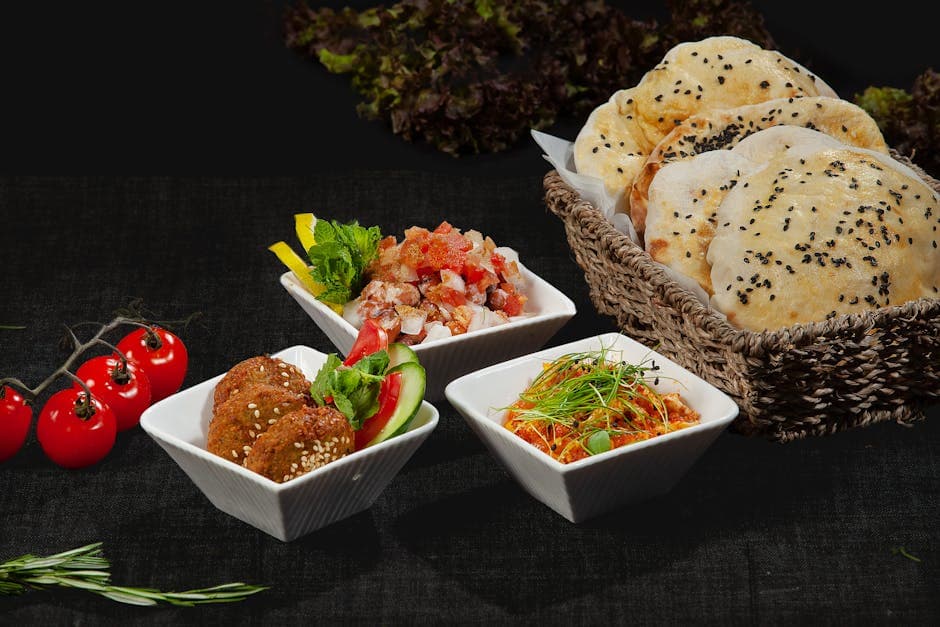
Sabich Pita(以色列伊拉克犹太茄子三明治)
特拉维夫街头经典美食:皮塔饼,里面塞满了炸茄子、半熟鸡蛋、鹰嘴豆泥、沙拉、芝麻酱、安巴饼和脆泡菜。
关于这个食谱
Sabich 是一种早餐三明治,现在是午餐三明治,现在又是深夜三明治,由 20 世纪 50 年代移民到以色列的伊拉克犹太人发明,传统上在安息日早上吃,因为它的所有成分都可以在前一天晚上煮熟。新鲜的皮塔饼里塞满了厚厚的金黄炸茄子片、慢烤过夜的煮熟或半熟的鸡蛋(huevos haminados,其原始形式)、一层鹰嘴豆泥、切碎的番茄和黄瓜的新鲜以色列沙拉、少许芝麻酱、一种名为 amba 的浓郁芒果泡菜,以及一把亮粉色的腌萝卜。 1961 年,巴格达迪犹太人萨比奇·哈拉比 (Sabich Halabi) 在拉马特甘开设了第一个 sabich 摊位,如今,sabich 在以色列各地的售货亭出售,并通过以色列厨师出口到纽约、伦敦和柏林。它是素食的,快捷的,是地球上最令人满意的三明治之一。
食材
服务 4
- 2 大球形茄子,切成1厘米的圆片
- 2 茶匙细盐,用于茄子
- 180 毫升植物油,用于煎炸
- 4 大鸡蛋
- 4新鲜的带口袋的皮塔饼,加热
- 250 克光滑的鹰嘴豆泥(自制或优质商店购买的)
- 120 毫升芝麻酱(生芝麻酱与柠檬汁和冰水搅拌成可倾倒的奶油)
- 4 汤匙amba(伊拉克犹太芒果泡菜,例如加利尔品牌)
- 100 克腌粉红萝卜(kabis lift),沥干,切片
- 2 汤匙以色列萨拉特(zhug 或 schug)辣酱,可选
- 3 中成熟的西红柿,切细丁
- 1 大黄瓜,切细丁
- 2 汤匙新鲜欧芹,切碎
- 2 汤匙新鲜柠檬汁
- 1 汤匙橄榄油
- 0.5 茶匙细盐,用于沙拉
步骤
- 1
给茄子加盐
将茄子片放在金属架上,两面加盐,沥干 30 分钟。用纸巾轻轻按压以除去水分——这就是使内部呈奶油状、不油腻的原因。
- 2
将鸡蛋煮沸
将鸡蛋放入沸水中,煮 7 分钟,使蛋黄变成果酱,煮 9 分钟,使其完全凝固。立即投入冰水中。去皮并减半。对于传统的 Huevos Haminados:将带壳的洋葱皮与洋葱皮一起在 80°C 下烘烤过夜 — 白色变成米色,味道深度焦糖化。
- 3
做以色列沙拉
将切碎的番茄、黄瓜、欧芹、柠檬汁、橄榄油和盐混合。骰子应该很小——5毫米——这样每一叉都是均匀的。
- 4
把茄子炒一下
将宽煎锅中的油加热至 175°C。将茄子片单层煎 3 分钟,直至中心呈深金黄色并呈奶油状。放在金属丝架上沥干水分,而不是纸巾——金属丝可以让它们保持清爽。
先测试一片:如果它吸收了油并且保持苍白,则油不够热。茄子应该会发出强烈的嘶嘶声。
- 5
加热皮塔饼
在干煎锅上将皮塔饼每面短暂加热 20 秒,然后切开顶部以完全打开口袋。搭建时请用干净的毛巾包裹。
- 6
构建萨比奇
在每个皮塔饼内涂抹 2 汤匙鹰嘴豆泥,覆盖后壁。放入 4-5 片热炸茄子。添加半个鸡蛋,靠在茄子上。上面放上一大勺以色列沙拉和几片腌萝卜。
- 7
酱汁和服务
将芝麻酱大量淋在顶部,这样它就会聚集在口袋的底部。添加一茶匙 amba(它很浓,请谨慎使用),如果使用则添加一点 zhug。趁茄子趁热立即食用。
你做过这道菜吗?
给它评分,帮助其他人找到真正好用的食谱。
一键登录,我们会保存你刚刚选择的评分。
规划一周饮食所需的一切 — 免费
- 膳食日历
- 购物清单
- AI 食谱推荐
记录你的饮食
在免费的 SnapCal 应用中拍下餐食即可记录卡路里和宏量营养素,还能使用断食计时器和饮水记录。
专业提示
- →
不要跳过给茄子加盐的步骤——不加盐的茄子会像海绵一样吸收油,而茄子会变得油腻而沉重。
- →
Amba 是 sabich 的两极分化灵魂。真正的伊拉克犹太安巴含有胡芦巴和姜黄; Galil 或 Shemo 等品牌值得信赖。芒果酸辣酱不是替代品。
- →
使用厚而软、有口袋的皮塔饼——超市的无口袋大饼会在重量下撕裂。
变化
- •
Sabich laffa:用大拉法面包代替皮塔饼,并用卷绕式代替馅料。
- •
在每个皮塔饼中添加 2 汤匙煮熟的土豆块,以获得更丰盛的特拉维夫咖啡馆风格版本。
- •
用沥干的拉布尼涂抹物代替鸡蛋,制成乳制品风格的萨比奇(仅限米兹拉希家庭 - 传统的萨比奇不含乳制品)。
存储
Sabich 必须新鲜组装。单独准备所有成分并冷藏最多 3 天;按订单组装每个皮塔饼。茄子可以重新煎一下以恢复脆度。
历史与起源
Sabich 是由 1951 年后移民到以色列的伊拉克犹太人发明的,他们将传统的安息日早餐(茄子、鸡蛋、沙拉——全部在周五烹制,因此安息日不做饭)改编成便携式皮塔饼形式。第一个专门的萨比奇摊位于 1961 年在特拉维夫附近的拉马特甘开业,由萨比奇·哈拉比本人经营。到了 2000 年代,萨比奇已经蔓延到伊拉克犹太人社区之外,成为全国的主流,在以色列的每个城市都设有摊位。
常见问题解答
萨比奇和沙拉三明治有什么区别?
Sabich是炸茄子+鸡蛋,而沙拉三明治是炸鹰嘴豆球。两者都是皮塔饼,配料相似,但萨比奇起源于伊拉克犹太人,而沙拉三明治是泛阿拉伯三明治——完全不同的三明治。
如果我找不到 amba 怎么办?
从以色列或中东商店在线订购是最好的途径。作为紧急替代品,将芒果酸辣酱与少许胡芦巴、姜黄和少许醋混合,但味道不会一样。
我可以烤茄子而不是煎茄子吗?
是的——切片,刷上橄榄油,然后在 220°C 下烤 20 分钟,翻转一次。结果是更瘦,但有点干;严重的萨比奇商店炒作。
营养成分
每份 (420g) · 4 总份量
时间总结
更多以色列食谱
你可能也喜欢
来自世界其他菜系的相似菜肴。
按食材浏览
使用相同核心食材的更多食谱。
免费厨房工具
与本页搭配使用的计算器和单位换算工具,无需注册。
把它变成计划
加入日历、生成购物清单、掌握家里已有的食材。
接着读
深入探讨这道菜背后思路的长文。
社区
加入对话
登录发表评论并保存您最喜欢的食谱