
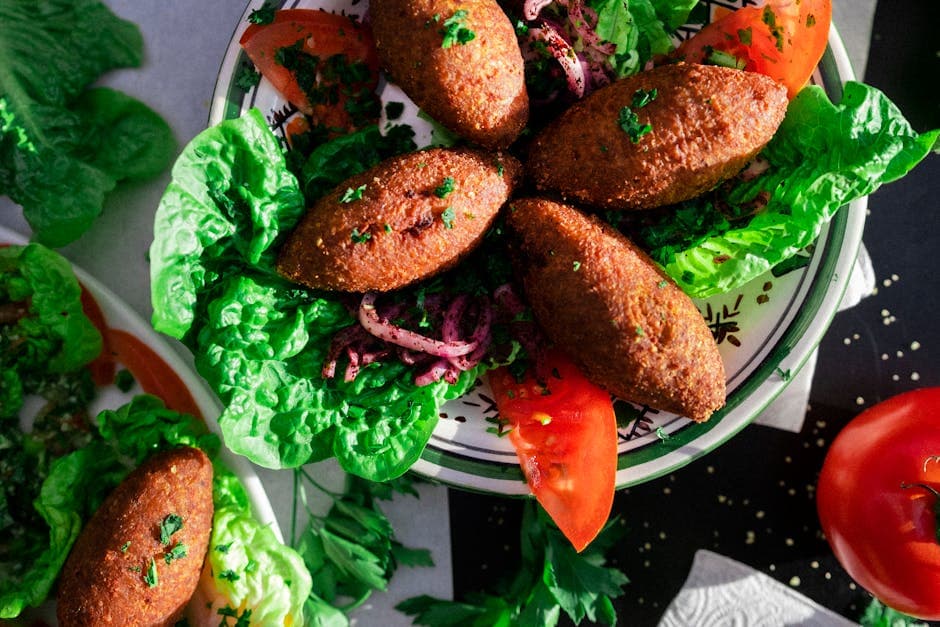
基贝·纳耶
黎巴嫩生羊肉与优质干小麦、山区香料和冰捣碎——黎凡特鞑靼牛排的祖先。
关于这个食谱
Kibbeh nayyeh 是东地中海最著名的生肉菜肴——精细捣碎的瘦羊肉(或牛肉)与超细小麦、磨碎的洋葱、冰水以及七种温暖香料的精确混合,定义了每个家庭的厨师。 kibbeh nayyeh 是一个闪闪发光的深红色拼盘,用勺背抹平,涂上橄榄油,周围放上凉爽的薄荷叶、葱和热皮塔饼,是黎巴嫩小食桌的核心。肉必须新鲜得无可挑剔——当天从值得信赖的屠夫那里购买——并且在低温下加工;干小麦在羊肉本身的汁液中软化,事先从未浸泡过。吃它是一种仪式:撕开一块面包,涂上一层肉,一片薄荷叶,一片葱,淋上一点橄榄油。
食材
服务 6
- 500 克非常新鲜的优质瘦羊腿,去筋
- 120 克超细干小麦 (#1)
- 1 中白洋葱,去皮并切成四等分
- 1 茶匙细盐
- 1 茶匙现磨黑胡椒
- 1 茶匙地面五香粉
- 1/2 茶匙肉桂粉
- 1/2 茶匙小茴香粉
- 1/2 茶匙香菜末
- 1/4 茶匙丁香粉
- 1/4 茶匙肉豆蔻粉
- 1/2 茶匙干玫瑰花瓣,细碎(可选,经典山区混合)
- 5 汤匙冰冷的水
- 3 汤匙特级初榨橄榄油,以及更多用于最后处理的油
- 1 小束新鲜薄荷叶
- 4葱,切碎
- 1 small handful萝卜
- 热皮塔饼或马库克面包
步骤
- 1
冷却一切
将金属搅拌碗放入冰箱冷冻 20 分钟。冷工具和冷肉是不容谈判的。
- 2
脉冲洋葱和香料
在食品加工机中,将洋葱与所有香料和盐一起搅拌,直到得到细腻的湿洋葱酱。
- 3
脉冲肉
将冷冻羊肉(切成 2 厘米的小块)添加到加工机中。短时间脉冲,然后运行整整 1 分钟,直到肉形成光滑、粘稠的糊状。刮掉两侧。
- 4
冲洗干小麦
用冷水快速冲洗细小麦,然后立即用干净的布挤干。它应该几乎不潮湿。
- 5
放入冷碗中混合
将肉酱和干小麦转移到冷藏的碗中。添加4汤匙冰水。用冰冷的手揉捏 3 分钟(继续将手浸入冰水中),直到混合物变得光滑、有光泽且发粘。如果感觉很硬,请添加最后一勺冰水。
- 6
品尝并调整
尝一点。调整盐和香料。黎巴嫩厨师坚持认为 kibbeh nayyeh 应该先尝肉的味道,其次是香料,第三是干小麦的味道。
- 7
板材
堆在一个宽盘子上。用湿勺子的背面抹平。在表面上制作 5-7 个对角凹槽(经典的黎巴嫩图案)。将橄榄油充分淋入每个凹槽中。
- 8
装饰并上菜
将薄荷枝、葱和萝卜塞在盘子边缘。立即与在餐桌上撕开的热面包一起食用。
你做过这道菜吗?
给它评分,帮助其他人找到真正好用的食谱。
一键登录,我们会保存你刚刚选择的评分。
规划一周饮食所需的一切 — 免费
- 膳食日历
- 购物清单
- AI 食谱推荐
记录你的饮食
在免费的 SnapCal 应用中拍下餐食即可记录卡路里和宏量营养素,还能使用断食计时器和饮水记录。
专业提示
- →
来源比技术更重要——使用你认识的屠夫,并告诉他们你在做什么。许多人会在当天为您研磨新鲜的豆子。
- →
一切都冰冷:肉、碗、手、水。温暖的手打破了肉的质感。
- →
千万不要用大众市场超市的肉末来做这个;质地和新鲜度就是菜肴本身。
变化
- •
Kibbeh Zghartawiyeh:黎巴嫩北部风格,配以额外的干薄荷和红辣椒酱。
- •
牛肉基贝纳耶 (kibbeh nayyeh) 适合那些喜欢清淡口味的人。
- •
Kibbeh 球 (kibbeh akras):同样的糊状,围绕煮熟的馅料进行油炸——适合那些对生肉持谨慎态度的人。
存储
吃当天做的——kibbeh nayyeh 不保留。将剩菜快速煎成小肉饼,对剩菜进行巴氏杀菌。
历史与起源
Kibbeh nayyeh 在黎巴嫩和叙利亚的山村中有着至少千年的历史。七种香料的混合 (sabaa baharat) 是当地的特色——每个城镇和家庭都有自己的比例。
常见问题解答
生羊肉安全吗?
只有当肉是无可挑剔的新鲜并且来自熟悉这道菜的值得信赖的屠夫时。如果您想要额外的安全,将肉在 -20°C 下冷冻 7 天可以杀死寄生虫。
我可以用什么来代替细干小麦?
没有干净的替代品——超细干小麦 (#1) 是唯一正确的谷物。较大的小麦会保持松脆并破坏质地。
营养成分
每份 (160g) · 6 总份量
时间总结
更多黎巴嫩食谱
你可能也喜欢
来自世界其他菜系的相似菜肴。
按食材浏览
使用相同核心食材的更多食谱。
免费厨房工具
与本页搭配使用的计算器和单位换算工具,无需注册。
把它变成计划
加入日历、生成购物清单、掌握家里已有的食材。
接着读
深入探讨这道菜背后思路的长文。
社区
加入对话
登录发表评论并保存您最喜欢的食谱