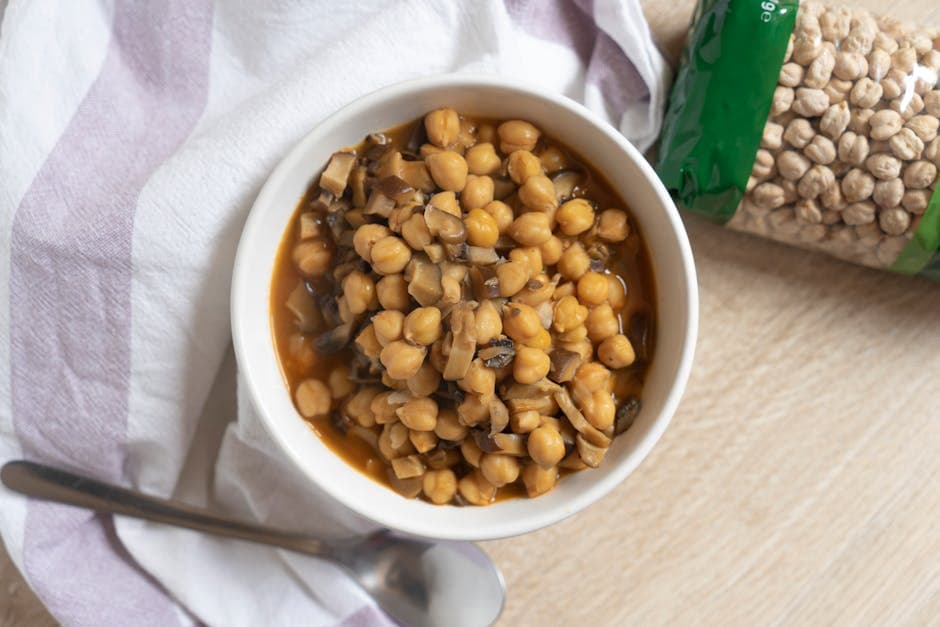
Ethiopia's everyday comfort food — chickpea or fava flour whisked into berbere-spiced onion oil to make a deeply flavored, silky vegan stew eaten with injera.
Shiro is the dish that Ethiopian families eat more often than any other — the daily comfort food, the lunch you order when you're too tired to think, the dish that fills monasteries during fasting periods when meat and dairy are forbidden. It is made by slowly cooking a paste or powder of toasted chickpea flour (sometimes mixed with split peas, fava beans, or lentils, plus the country's foundational spice mix berbere) into a base of slow-fried onion, garlic, ginger and oil until it thickens into a smooth, deeply flavored stew the color of dark rust. Shiro is one of the great fasting foods of Ethiopian Orthodox Christianity — meatless, dairy-free, but so rich and savory from the spice blend and the long-fried onions that no one misses anything. It is always served on injera, the spongy fermented teff flatbread that doubles as plate and utensil; you tear off pieces of injera with your right hand and use them to scoop up the shiro, eating with your fingers and licking your hand clean after. There are two main styles — shiro tegabino, the thinner version cooked individually in a small clay pot called a dist; and shiro wat, the thicker family-style stew. This recipe gives you the everyday shiro wat made from shiro powder (find in any Ethiopian or Eritrean grocer, also widely available online) — a 30-minute weeknight dinner that rewards even the most basic effort with profound depth.
Serves 4
Heat the oil in a heavy pan over medium-low heat. Add the finely diced onions and cook 12–15 minutes, stirring frequently, until deeply golden, soft and almost jammy. This is the longest part of the recipe and the most important — Ethiopian cooks call this 'qey awaze' and the depth of the onion's color directly determines the depth of the finished stew.
Do not rush this step. If you brown the onions too fast over high heat, they char and turn bitter. Slow and steady gives sweet, dissolved onions.
Add the minced garlic and grated ginger to the soft onions. Cook 2 minutes more, stirring, until very fragrant. The onion-garlic-ginger base should smell deeply savory and slightly sweet — this is the foundation of nearly every Ethiopian wat (stew).
If your shiro powder is plain (without berbere blended in), add the berbere now and stir constantly for 1 minute. The spice will sizzle in the oil and the kitchen will fill with the aromatic warmth of fenugreek, cardamom, cinnamon and chilli that defines Ethiopian cuisine.
Pour in 600 ml of the warm water and bring to a simmer. Add the salt and stir. The mixture will look thin and oily at this stage — that's correct. Reduce heat to low.
While whisking constantly, slowly sprinkle the shiro powder into the simmering liquid through a sieve (helps avoid lumps). Whisk vigorously for 2–3 minutes until completely smooth and lump-free. The mixture will immediately begin to thicken.
Switch to a wooden spoon and stir the shiro slowly but constantly over low heat 10–12 minutes. It will thicken steadily — add more warm water (50 ml at a time) if it gets too thick before the raw flour taste cooks out. The texture should end up like thick porridge or hummus, with the oil starting to separate slightly at the edges (a good sign called 'qibe ferinj').
Pull off the heat, taste for salt, and let stand covered 5 minutes — the flavor develops further. Spoon onto a large communal platter lined with injera, with rolled extra injera on the side and garnishes of green chillies. Eat with your right hand, tearing pieces of injera to scoop the shiro. Traditionally accompanied by a side of crisp salad and additional berbere paste (awaze) for those who want more heat.
Shiro powder quality varies enormously — buy from an Ethiopian or Eritrean grocer if possible, or check reviews on Amazon for brands like 'Brundo' or 'Mama Fresh'.
Niter kibbeh (Ethiopian spiced clarified butter) is what makes restaurant shiro irresistible — make a small batch (butter melted slowly with cardamom, ginger, garlic, fenugreek, basil) and store it in the fridge.
Don't fear the oil — Ethiopian wats are deliberately oily, and the fat carries the spice flavor. The oil separates a little at the surface; this is correct, not a flaw.
Berbere variety matters — a fresh, fragrant berbere with visible orange-red color is very different from a dull dusty brown one. Buy small, use up quickly.
Bozena shiro — add small pieces of beef or lamb in the last 10 minutes for a non-fasting, meat-forward version.
Shiro tegabino — cook individual portions in small clay pots (or ramekins) until just bubbling at the edges for a presentation that holds heat at the table.
Shiro fitfit — torn pieces of injera mixed directly into the cooked shiro and served as a unified dish, common breakfast in Eritrea.
Mixed-flour shiro — use a blend of chickpea, split pea, and red lentil flours for a more complex texture.
Keeps 4 days refrigerated in an airtight container; reheat gently with a splash of water in a covered pan over low heat (microwave works too — just stir halfway). Freezes well up to 2 months in flat portions. The shiro thickens further in the fridge; thin with warm water when reheating.
Shiro has been a staple of Ethiopian and Eritrean diets for at least a thousand years, evolving as the perfect food for the Orthodox Christian fasting calendar that requires roughly 180 meatless days per year. It was carried with Ethiopian and Eritrean refugees across the world in the 20th century and is now one of the most internationally recognized symbols of Habesha cuisine.
A complex Ethiopian spice blend of chillies, fenugreek, cardamom, cinnamon, cloves, coriander, ginger, garlic and a dozen other spices. There is no real substitute, but pre-made blends are widely available; in emergency, a 50/50 mix of paprika and garam masala approaches the color, not the flavor.
You can — soak overnight, blend raw, and dry in a low oven before grinding to powder. It's a lot of work for a small batch. Pre-made shiro powder is the standard even in Ethiopian home kitchens.
Injera is a fermented sourdough flatbread made from teff flour, spongy and tangy. Substitutes are imperfect — sourdough crepes, French crêpes, or even pita bread work in a pinch. The fermented tang of real injera is unique.
The powder went into the liquid too fast or wasn't whisked vigorously enough at the start. Sieve the powder before adding, sprinkle slowly while whisking hard, and the lumps will not form.
Per serving (280g) · 4 servings total
Ask our AI cooking assistant anything about this recipe — substitutions, techniques, scaling.
Chat with AI Chef →Join the conversation
Sign in to leave a comment and save your favourite recipes