
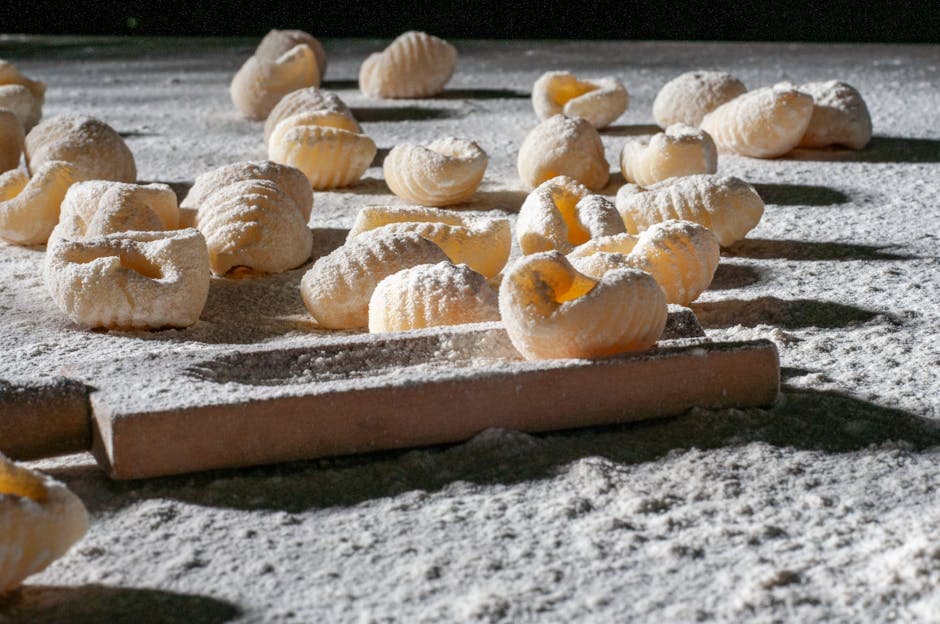
Gnocchi di Patate Fatti in Casa
Nhoque de batata italiano macio — a técnica exige paciência mas o resultado é o que avós italianas fazem há 400 anos.
Sobre esta receita
Gnocchi di patate são os nhoques italianos mais românticos — pequenas batatas macias esponjosas fervidas brevemente, depois misturadas com molho simples de manteiga-sálvia, Gorgonzola derretido ou um ragu profundamente reduzido. A técnica é implacável: muita farinha e são pesados; pouca e se dissolvem na água; batatas molhadas fazem massa molhada; massa trabalhada demais faz nhoques gomosos. Avós italianas sabem com um único toque se a massa está certa. O segredo é assar batatas (não fervê-las), passá-las em peneira enquanto ainda quentes, trabalhar a massa o mínimo humanamente possível e errar pelo lado de menos farinha. Feitos bem, são tão leves que quase flutuam do prato. Originário do norte da Itália no século 16 após batatas chegarem do Novo Mundo; hoje toda região tem sua variante.
Ingredientes
Serve 4
- 1 kgbatatas amiláceas (Russet, Maris Piper ou Désirée)
- 1 grandegema de ovo (algumas tradições pulam o ovo inteiramente)
- 180-220 gfarinha 00 ou farinha de trigo comum (menos é melhor)
- 1 colher de chásal fino
- 1 good gratingnoz-moscada fresca
- 80 gmanteiga sem sal
- 12 folhassálvia fresca
- 60 gParmigiano-Reggiano, finamente ralado
- pimenta preta moída fresca
Instruções
- 1
Asse as batatas
Fure batatas completamente com um garfo. Asse em 200°C por 60 minutos, até completamente macio. NÃO ferva — batatas fervidas absorvem água que arruina a massa.
- 2
Peneira enquanto quente
Corte batatas ao meio longitudinalmente (cuidadosamente — estão quentes). Retire a polpa. Passe por um prensador ou moinho de batata em uma pilha larga em uma superfície de trabalho limpa. Deixe esfriar 5 minutos — apenas o suficiente para manusear, mas ainda quente.
- 3
Adicione farinha e ovo cuidadosamente
Polvilhe 1 colher de chá de sal e noz-moscada sobre a batata. Adicione gema de ovo. Polvilhe 150 g da farinha. Usando um raspador de banco (não suas mãos), dobre gentilmente a farinha apenas até incorporar. Adicione 30 g mais farinha se a massa estiver pegajosa demais para manusear. Pare de adicionar farinha no momento a massa possa ser reunida em uma bola.
- 4
Teste um
Aperte uma bolinha de massa, role em uma bola, solte em água levemente fervendo salgada. Se flutuar dentro de 60 segundos e se manter junto, a massa está certa. Se cair aos pedaços, adicione 20 g mais farinha; se estiver mastigável, você adicionou demais (comece de novo).
- 5
Forme os nhoques
Corte a massa em 6 pedaços. Role cada um em uma corda longa de 2 cm de espessura em uma superfície farinhada. Corte cada corda em travesseiros de 2 cm. Opcional: role gentilmente cada travesseiro pela costas de um garfo para criar sulcos que pegam molho. Coloque em uma bandeja farinhada, não tocando.
- 6
Cozinhe em lotes
Leve uma panela larga de água bem salgada para um cozimento suave (não fogo alto — quebram). Coloque 20 nhoques por vez. Afundam, depois flutuam. Do momento que flutuam, cozinhe 30 segundos mais. Retire com uma colher com furos.
- 7
Faça a manteiga de sálvia
Derreta manteiga em uma panela larga em fogo médio até espumar e ficar levemente avelã. Adicione folhas de sálvia; devem sizzle e crispear em 30 segundos.
- 8
Combine e sirva
Escorregue nhoques drenados na manteiga de sálvia. Misture gentilmente — nunca agressivamente ou quebram. Adicione um toque de água de macarrão se seco. Coloque em pratos quentes. Chuveiro com Parmesão e pimenta. Coma imediatamente — nhoques não esperam.
Você preparou esta receita?
Avalie e ajude outras pessoas a encontrar as receitas que realmente funcionam.
Entre com um toque e guardaremos a avaliação que você acabou de escolher.
Tudo o que você precisa para planejar sua semana — grátis
- Calendário de refeições
- Lista de compras
- Ideias de receitas com IA
Acompanhe o que você come
Fotografe sua refeição para registrar calorias e macros, use timers de jejum e acompanhe sua água no app gratuito SnapCal.
Dicas profissionais
- →
Asse batatas, não ferva — batatas fervidas absorvem água que arruina a massa.
- →
Menos farinha é melhor — adicione o mínimo que permite manusear a massa.
- →
Trabalhe a massa o mínimo humanamente possível — amassar e você cria glúten, glúten faz nhoques gomosos.
Variações
- •
Gnocchi al Gorgonzola: misture em molho de Gorgonzola dolce derretido + um toque de creme + nozes.
- •
Gnocchi al ragu: misture com ragu profundamente reduzido de carne e tomate.
- •
Nhoques de espinafre (gnudi): substitua metade da batata com espinafre cozido finamente picado, espremido muito seco.
Armazenamento
Congele cru em bandejas depois em saco até 2 meses. Cozinhe do congelado com 1 minuto extra. Nhoques cozidos não mantêm — coma imediatamente.
História e Origem
Nhoques de batata apareceram no norte da Itália no século 16 após batatas chegarem do Novo Mundo, substituindo 'nhoques' anteriores de farinha e água que existiram desde tempos romanos. Cada região italiana desenvolveu seu próprio estilo; as versões Piemontesa e Lombarda com batatas se tornaram dominantes.
Perguntas frequentes
Por que meus nhoques ficaram gomosos?
Muita farinha, ou a massa foi trabalhada demais. A correção: use menos farinha e trate a massa como se estivesse prestes a quebrar.
Posso usar uma batata diferente?
Batatas amiláceas (Russet, Maris Piper) são melhores — são farinhentas e mais secas. Batatas cerosas (Charlotte, Yukon Gold) fazem massa molhada que precisa mais farinha, que faz nhoques pesados.
Fatos nutricionais
Por porção (320g) · 4 porções totais
Resumo do tempo
Tem dúvidas?
Pergunte ao nosso assistente de culinária de IA qualquer coisa sobre esta receita – substituições, técnicas, dimensionamento.
Converse com AI Chef →Apresentado em guias
Esta receita é apresentada nos seguintes guias selecionados:
Mais receitas de cozinha italiana
Você Também Pode Gostar
Pratos semelhantes de outras cozinhas do mundo.
Explorar por Ingrediente
Mais receitas construídas em torno dos mesmos ingredientes principais.
Ferramentas de Cozinha Gratuitas
Calculadoras e conversores que acompanham esta página — sem cadastro.
Transforme Isto num Plano
Agende, faça as compras e acompanhe o que já tem.
Calendário de planejamento de refeições
Coloque esta receita em um dia e monte a semana em torno dela.
App de lista de compras
Transforme esta lista de ingredientes em uma lista de compras agrupada por corredor.
Importador de receitas
Salve esta receita — e qualquer URL de receita — em uma biblioteca organizada.
Leia a Seguir
Leituras mais longas que aprofundam as ideias por trás deste prato.
Comunidade
Participe da conversa
Faça login para deixar um comentário e salvar suas receitas favoritas