
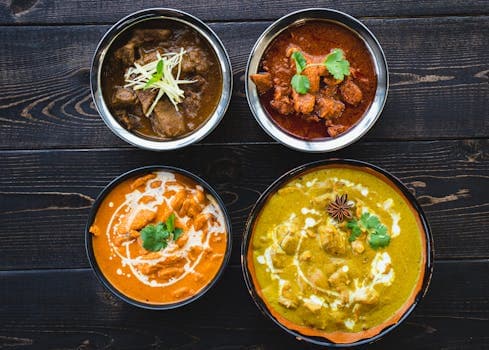
Chicken Tikka Masala
Tender marinated chicken in creamy spiced tomato sauce — Britain's national dish, beloved worldwide.
About This Recipe
Chicken tikka masala is arguably the world's most famous curry — chunks of yogurt-and-spice-marinated chicken charred hard over high heat, then folded into a velvety tomato-cream sauce built on slowly browned onions, garam masala, and the haunting maple-like aroma of kasoori methi. Two techniques separate restaurant-quality versions from flat ones: a long marinade (overnight if possible) that tenderizes and seasons the chicken to its core, and aggressive charring of the tikka pieces, whose blackened edges flavor the entire sauce. The dish balances tang, warmth, sweetness, and silk in every spoonful. Served with basmati rice and naan to drag through the sauce, it's the curry that converted half the planet to Indian flavors.
Ingredients
Serves 4
- 800 gboneless chicken thighs, cubed
- 1 cupplain yogurt
- 3 tbsplemon juice
- 2 tbspginger-garlic paste
- 2 tspgaram masala
- 2 tspground cumin
- 2 tspground coriander
- 1 tspturmeric
- 1 tspKashmiri red chili powder
- 2 tspsalt
- 3 tbspghee or butter
- 2 largeonions, finely diced
- 400 gtomato puree
- 1 cupheavy cream
- 2 tbsptomato paste
- 1 tspkasoori methi (dried fenugreek leaves)
- 1 tbspsugar
- 2 tbspfresh cilantro, chopped
Instructions
- 1
Marinate chicken
Whisk the yogurt, lemon juice, ginger-garlic paste, half the garam masala, cumin, coriander, turmeric, chili powder, and 1 tsp salt into a thick marinade. Coat the chicken thoroughly and refrigerate for at least 4 hours, ideally overnight — the yogurt's acidity and enzymes tenderize the thighs while the spices penetrate.
Overnight marination is the single biggest upgrade you can make to this dish; four hours is the minimum for real flavor penetration.
- 2
Cook chicken
Heat 1 tbsp ghee in a cast iron pan until nearly smoking. Cook the chicken in batches over high heat, leaving pieces undisturbed long enough to char in spots, 6–8 minutes per batch. Don't crowd the pan — steamed chicken won't char. Set the chicken and its juices aside.
Those blackened edges aren't a flaw — they're the 'tikka' character that mimics tandoor cooking and flavors the whole sauce.
- 3
Sauté onions
Lower the heat to medium, add the remaining ghee to the same pan, and cook the diced onions for a patient 12 minutes, stirring often and scraping up the charred chicken fond, until deep golden brown. This slow caramelization is the sweetness and body of the final sauce.
- 4
Add aromatics
Stir in the remaining garam masala and the tomato paste and cook for 2 minutes, until the paste darkens a shade and the spices bloom in the fat. Frying the paste removes its raw metallic edge and concentrates the tomato base.
- 5
Build sauce
Pour in the tomato puree, scrape the pan bottom clean, and simmer for about 10 minutes until the sauce thickens and the fat starts separating at the edges — the classic Indian signal that the masala base is fully cooked. Stir occasionally to prevent catching.
- 6
Add cream
Stir in the cream, sugar, remaining salt, and the kasoori methi crushed to powder between your palms — the warmth of your hands releases its aroma. Simmer gently for 5 minutes; the sauce should turn a soft orange and coat a spoon thickly.
Crushing kasoori methi in your palm rather than dumping it whole is a small step with an outsized aromatic payoff.
- 7
Finish
Return the charred chicken and any accumulated juices to the sauce and simmer 5 more minutes so the flavors marry and the chicken heats through. Taste and adjust salt, sugar, or a squeeze of lemon — the sauce should balance tangy, sweet, and warmly spiced.
- 8
Serve
Scatter chopped cilantro over the top and serve hot with steamed basmati rice and warm naan. A swirl of extra cream on top is the classic restaurant flourish.
Did you make this?
Rate it and help other cooks find the recipes that actually work.
One tap to sign in, and we'll save the rating you just picked.
Everything you need to plan your week — free
- Meal calendar
- Grocery list
- AI recipe ideas
Track what you eat
Snap your meal to log calories and macros, run fasting timers and track water in the free SnapCal app.
Pro Tips
- →
Marinate the chicken overnight for the deepest flavor and most tender texture — this is where the dish is won.
- →
Char the chicken aggressively in a screaming-hot pan; those black bits replicate tandoor smokiness.
- →
Kashmiri chili powder gives vivid color with gentle heat — don't substitute hot cayenne one-for-one.
- →
Cook the masala base until the fat visibly separates; stopping early leaves a raw tomato taste.
- →
Use chicken thighs, not breast — they stay juicy through the double cooking.
Variations
- •
Paneer tikka masala: replace chicken with cubes of seared paneer for the classic vegetarian version.
- •
Stir in 2–3 tablespoons of cashew paste with the cream for a richer, slightly sweet restaurant-style sauce.
- •
Grill the marinated chicken on skewers over charcoal or under a broiler for genuine tandoor-style smokiness.
- •
Lighten it with coconut milk in place of cream for a dairy-reduced variation.
Storage
Refrigerate up to 4 days — like most curries, it improves overnight. Freezes well for 3 months; thaw and reheat gently, adding a splash of cream or water to restore the sauce's silkiness.
History & Origin
Chicken tikka masala's origins are genuinely disputed. The popular tale credits a Glasgow restaurant in the 1970s, where a chef reportedly improvised a tomato-cream sauce for a customer who found his chicken tikka too dry — leading some to call it Britain's true national dish. Others argue it descends directly from Delhi's butter chicken, developed at Moti Mahal in the 1950s. Most likely it evolved gradually in British-Indian restaurant kitchens from Punjabi foundations.
Frequently Asked Questions
What is kasoori methi and can I skip it?
Kasoori methi is dried fenugreek leaves — they contribute a distinctive earthy, faintly maple-like aroma that defines restaurant-style tikka masala, and there's no real substitute. Find it cheaply at any Indian grocery (a box lasts years). Always crush it between your palms before adding to release the oils. You can technically omit it, but the sauce will taste noticeably less 'restaurant.'
What's the difference between chicken tikka masala and butter chicken?
They're close cousins, both featuring tandoori-style chicken in a creamy tomato sauce. Butter chicken (murgh makhani) is typically sweeter, smoother, and richer, with more butter and cream and a silky strained sauce. Tikka masala leans tangier and more heavily spiced, with a chunkier onion-based sauce. The line blurs from restaurant to restaurant — and tikka masala may well have evolved from butter chicken.
Can I make this without heavy cream?
Yes — full-fat coconut milk works beautifully and keeps the sauce luscious, with a faint coconut note. Cashew paste (a half cup of soaked cashews blended smooth) is the traditional dairy-rich alternative that adds body and sweetness. Plain yogurt can substitute in a pinch, but temper it by whisking in a little hot sauce first and keep the heat low, or it will split.
How spicy is chicken tikka masala?
As written, it's mild-to-medium — Kashmiri chili powder is prized for vivid red color rather than fire, and the cream rounds off the edges. That gentle warmth is exactly why the dish conquered Britain. To raise the heat, add minced green chilies with the onions or a half teaspoon of hot cayenne to the marinade; to lower it, reduce the chili powder and add extra cream.
Nutrition Facts
Per serving (450g / 15.9 oz) · 4 servings total
Time Summary
Have Questions?
Ask our AI cooking assistant anything about this recipe — substitutions, techniques, scaling.
Chat with AI Chef →Featured in Guides
This recipe is featured in the following curated guides:
More Indian Recipes
You Might Also Like
Similar dishes from other cuisines around the world.
Browse by Ingredient
More recipes built around the same core ingredients.
Free Kitchen Tools
Calculators and converters that pair with this page — no signup needed.
Put This Into a Plan
Schedule it, shop for it, and track what you already have.
Read Next
Longer reads that go deeper on the ideas behind this dish.
Community
Join the conversation
Sign in to leave a comment and save your favourite recipes