
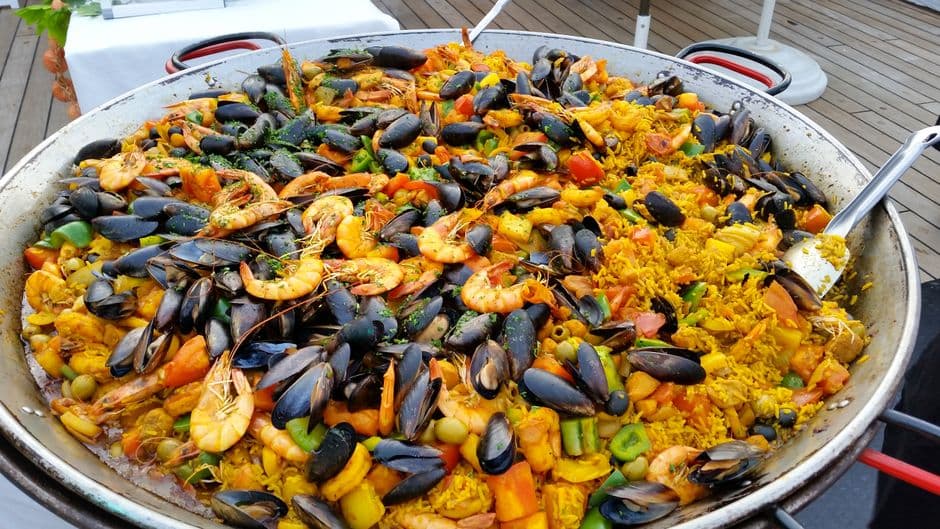
Gambas al Ajillo (Spanish Garlic Shrimp)
Plump shrimp sautéed in sizzling olive oil with sliced garlic, red chili, and fresh parsley — the quintessential Spanish tapa.
About This Recipe
Gambas al ajillo is perhaps the most iconic tapa in all of Spain, a dish so simple and perfect that it has been replicated in countless Spanish bars and restaurants worldwide, yet rarely reproduced correctly outside its homeland. The magic lies entirely in the interplay of three elements: large, sweet shrimp (gambas); high-quality extra-virgin Spanish olive oil that sizzles and foams at the edges of the pan; and thinly sliced garlic that must be watched like a hawk to avoid any bitterness. Traditionally made with 8 to 10 large shrimp per serving, the dish comes to the table still crackling in a terra cotta dish (cazuela), releasing a plume of aromatics that announces itself across the bar. The diner tears off the shrimp heads, pushes the meat from the shell with a fork, and dips it into the garlicky oil. Bread is mandatory — sopping that oil is the entire point of the dish. The preparation is so straightforward that quality becomes paramount: frozen shrimp are forbidden, the garlic must be paper-thin, and the oil must be fresh and robust enough to carry flavor without being rancid.
Ingredients
Serves 4
- 800 glarge shrimp (gambas), heads on if possible, shells intact
- 200 mlextra-virgin Spanish olive oil (preferably from Andalucía or Catalonia)
- 8 clovesgarlic, very thinly sliced (use a mandoline or sharp knife)
- 1dried red chili pepper, halved and seeded (or 1/4 tsp red chili flakes)
- 1 small bunchfresh flat-leaf parsley, finely chopped
- 1 pinchflaky sea salt (Maldon if possible)
- 1lemon, cut into wedges
- to servecrusty bread (for soaking up the oil)
Instructions
- 1
Prepare the shrimp
Pat the shrimp completely dry with paper towels — any moisture will cause the oil to splatter. If using frozen shrimp, thaw them overnight in the refrigerator. Check for any grit in the cavity and rinse gently if needed.
- 2
Slice the garlic
Using a sharp knife or mandoline, slice garlic as thinly as possible — aim for paper-thin slices. Do not mince or finely chop; thin slices will distribute evenly through the oil and cook gently without browning.
- 3
Heat the oil
Pour olive oil into a large terra cotta cazuela or heavy-bottomed skillet over medium-high heat. Add the halved dried chili pepper and let it infuse the oil for 30–40 seconds until fragrant. Do not let the chili burn or turn black.
- 4
Add the garlic
Scatter the sliced garlic across the hot oil and cook, stirring gently, for 60–90 seconds. Watch closely — garlic should turn pale gold but never brown. The moment you smell toasted garlic, stop. Overcooked garlic will taste bitter and ruin the dish.
Some cooks add garlic after the shrimp and cook it only 30 seconds; this is safer if you're worried about burning.
- 5
Add the shrimp
Increase heat to high and add the shrimp to the pan in a single layer. Season immediately with a pinch of flaky salt. Do not stir for the first 30 seconds — allow the underside to sear and turn pink.
- 6
Sear the shrimp
After 30 seconds, shake the pan or stir with a wooden spoon, cooking for another 1–2 minutes until the shrimp are just pink throughout. The shrimp will continue to cook off the heat, so pull from heat while still slightly underdone.
- 7
Finish and serve
Remove from heat, sprinkle with fresh parsley, and serve immediately in the hot cazuela. Provide a side plate for shrimp shells and squeeze fresh lemon over the top just before eating. Bread is essential — each diner should soak the bread in the garlicky oil.
Did you make this?
Rate it and help other cooks find the recipes that actually work.
One tap to sign in, and we'll save the rating you just picked.
Everything you need to plan your week — free
- Meal calendar
- Grocery list
- AI recipe ideas
Track what you eat
Snap your meal to log calories and macros, run fasting timers and track water in the free SnapCal app.
Pro Tips
- →
Spanish cooks insist the oil must be smoking (but not burning) when the shrimp go in. The shock of high heat sets the exterior quickly and keeps the flesh tender.
- →
Do not overcrowd the pan — if making more than 4 servings, use two pans or work in batches. Crowding will steam the shrimp instead of searing them.
- →
If your shrimp are small (under 20 count per pound), reduce cooking time to 1–1.5 minutes total. Large shrimp (10–15 count) may need 2–3 minutes.
- →
Terra cotta cooks unevenly but retains heat beautifully — it's traditional, but a cast-iron skillet works just as well and delivers the same sizzle.
Variations
- •
Add a pinch of paprika (pimentón) at the start with the chili for a deeper, smoky flavor — this is common in Andalusian versions.
- •
Stir in a splash of brandy or sherry after the shrimp are cooked and ignite carefully for a flamed finish — spectacular but not traditional.
- •
Add a tablespoon of fresh lemon juice in the last 10 seconds of cooking for brightness, though purists say the lemon should only come from wedges at the table.
- •
Top with a fried egg placed on the pan at the moment the shrimp is cooked — this is called gambas al ajillo con huevo and is common in Spanish universities.
Storage
Gambas al ajillo must be eaten fresh, within 2–3 minutes of cooking. Do not refrigerate — the oil will congeal and the shrimp will toughen. Any leftovers can be used in a pasta the next day, but the dish is designed for immediate consumption.
History & Origin
Gambas al ajillo originated in Andalucía, particularly around the port towns of Cádiz and Huelva, where large Atlantic shrimp have been landed for centuries. The dish became a staple tapa in Madrid bars during the 1960s and 1970s, spreading across Spain and eventually globally. Its simplicity was partly born from the constraints of bar cooking — a single pan, three ingredients, two minutes to plate — but also reflects the Spanish principle that the best dishes are often the plainest.
Frequently Asked Questions
Why does my garlic always brown?
Garlic browns when the oil is too hot or the slices are too thick. Slice paper-thin, add to medium-high (not screaming hot) oil, and stir constantly. Remove from heat the moment the garlic turns pale gold.
Can I use frozen shrimp?
Yes, but thaw them first and pat completely dry. Wet shrimp will cause dangerous oil splattering. Frozen shrimp are acceptable, though Spanish cooks prefer fresh.
Should I remove the shrimp heads?
In Spain, the heads are left on — they add flavor and are part of the eating experience (you suck out the head). For home cooks, either way is fine, but heads-on is more traditional.
What type of olive oil should I use?
Extra-virgin Spanish olive oil is ideal — look for Andalusian, Catalan, or Balearic oils. The oil is as much a sauce as the garlic, so quality matters. Do not use refined or light olive oil.
Nutrition Facts
Per serving (240g / 8.5 oz) · 4 servings total
Time Summary
Have Questions?
Ask our AI cooking assistant anything about this recipe — substitutions, techniques, scaling.
Chat with AI Chef →Featured in Guides
This recipe is featured in the following curated guides:
More Spanish Recipes
You Might Also Like
Similar dishes from other cuisines around the world.
Browse by Ingredient
More recipes built around the same core ingredients.
Free Kitchen Tools
Calculators and converters that pair with this page — no signup needed.
Put This Into a Plan
Schedule it, shop for it, and track what you already have.
Read Next
Longer reads that go deeper on the ideas behind this dish.
Community
Join the conversation
Sign in to leave a comment and save your favourite recipes