
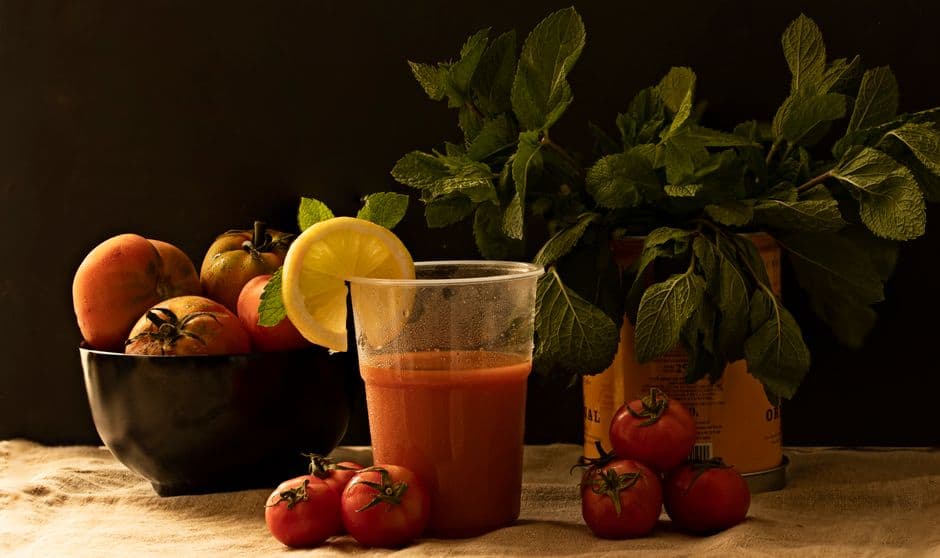
spanishsoup
Gazpacho
Cold Spanish tomato soup, refreshing and perfect for hot summer days
Prep
15 min
Cook
0 min
Servings
4
Difficulty
Easy
4.7
Sign in to rate#cold soup#tomato#refreshing#summer#no-cook#vegan
Cold Spanish tomato soup, refreshing and perfect for hot summer days
Gazpacho is Andalusia's most famous cold soup, made from ripe tomatoes, cucumbers, peppers, garlic, olive oil, and vinegar. This refreshing, no-cook dish is a staple of Spanish summer dining and represents the simplicity of Mediterranean cuisine at its best. Rooted in the everyday cooking of Spanish kitchens, Gazpacho balances technique and tradition: the ripe tomatoes is treated with care, drawing on time-honoured ratios that locals have refined across generations. The dish carries an unmistakable sensory signature — aromas that fill the kitchen as it cooks, layered textures that reveal themselves bite by bite, and a depth of flavour that comes from patient seasoning rather than shortcuts. Whether served as a weeknight soup or as the centrepiece of a celebratory table, it reflects a regional pantry where local produce, seasoning habits and cooking vessels shape the final result. Home cooks who make this dish often note how forgiving it is once the core method is understood, and how a few small choices — the freshness of the ripe tomatoes, the order of additions, the resting time at the end — separate a good version from a memorable one. This recipe walks through those choices so the dish arrives with the character it has on its home turf.
Serves 4
Roughly chop tomatoes, cucumber, and red bell pepper. Place in a food processor along with garlic.
Process until you reach desired consistency—some prefer completely smooth, others like a chunky texture. Add ice if desired.
Transfer to a bowl. Stir in olive oil and red wine vinegar. Season with salt and pepper. Refrigerate for at least 2 hours.
Serve in chilled bowls topped with diced cucumber, croutons, diced tomatoes, or jamón serrano.
Everything you need to plan your week — free
Cook this hands-free
Get AI meal plans, step-by-step cooking mode, and your saved recipes in the free Bento app.
Use perfectly ripe, flavorful tomatoes—they're the star
Chill bowls before serving for maximum refreshment
Make a day ahead; flavors deepen overnight
Source the freshest ripe tomatoes you can find — it is the flavour anchor of the dish.
Season in layers as you go; tasting at each stage prevents a flat or over-salted final result.
Salmorejo is a thicker, creamier version topped with jamón and egg
Add cooked chickpeas for protein
Include avocado for creaminess
Vegetarian: replace the main protein with mushrooms, paneer, tofu or hearty beans for a meat-free version.
Spicier: add fresh chilli, a chilli paste or a pinch of cayenne with the aromatics for a warmer profile.
Keeps in the refrigerator for up to 3 days. Stir well before serving. Refrigerate in an airtight container for up to 3–4 days. Reheat gently on the stove over low heat with a splash of water or stock to loosen, or microwave at 60% power covered so it warms without drying. Freezes well for up to 2 months in portioned containers; thaw overnight in the fridge before reheating. Dishes built on dairy or fried elements may shift in texture after freezing — refresh with a crisp garnish.
Gazpacho originated from bread and garlic soups brought by Romans to Andalusia. Over time, tomatoes were added after their introduction from the Americas, creating the modern version we know today.
This is personal preference! Traditional gazpacho varies by region—some areas prefer smooth, others chunky. Make it as you like.
Yes, finely dice all vegetables and whisk with olive oil and vinegar. The texture will be chunkier, which some prefer.
Yes — most components hold well in the fridge for a day or two. Reheat gently with a splash of liquid to bring it back to life.
If ripe tomatoes is hard to find, the closest substitutes share its texture and water content. Adjust seasoning slightly since substitutes often carry less character of their own.
Per serving · 4 servings total
Ask our AI cooking assistant anything about this recipe — substitutions, techniques, scaling.
Chat with AI Chef →Join the conversation
Sign in to leave a comment and save your favourite recipes
Everything you need to plan your week — free
Have feedback or need help?
We read every email and reply within 1–2 business days.
© 2026 MyCookingCalendar. All rights reserved.