
Lecsó
Hungarian pepper and tomato stew with bacon and eggs — the quintessential summer vegetable dish of Hungarian cooking.
About This Recipe
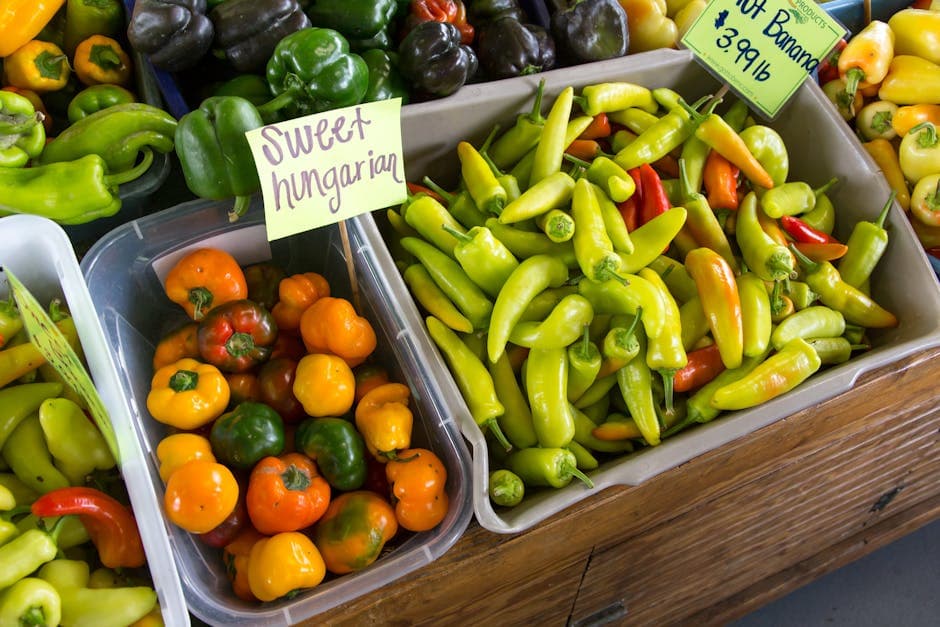
Lecsó is Hungary's ratatouille — a rich, oily stew of sweet yellow and red peppers (sweet Hungarian banana peppers are traditional) cooked down with tomatoes, onions and smoked bacon until everything melds into a thick, jammy base. Eggs are scrambled through at the end, or the dish is served as a sauce over rice or pasta. In summer, every Hungarian kitchen smells of simmering lecsó.
Ingredients
Serves 4
- 150 gsmoked bacon lardons
- 4 largesweet banana peppers(or Italian frying peppers, sliced)
- 2red bell peppers(sliced)
- 4 largetomatoes(chopped)
- 2 largeonions(sliced)
- 2 tspsweet Hungarian paprika
- 0.5 tsphot paprika
- 4eggs
- 1 tbsplard or vegetable oil
- 1 tspsalt
Instructions
- 1
Render bacon
Fry bacon lardons in lard over medium heat until golden and fat is rendered.
- 2
Cook onions and peppers
Add onions and all peppers. Cook over medium heat 15–20 minutes until very soft and starting to caramelise.
- 3
Add paprika and tomatoes
Add both paprikas off the heat. Stir quickly, then add tomatoes. Return to heat. Cook 15 minutes until tomatoes have broken down and mixture is thick.
- 4
Add eggs
Make wells in the lecsó. Crack in eggs. Scramble gently until just set, or keep whole for fried-egg style.
- 5
Serve
Serve over white rice, with bread, or as a sauce over pasta. Season well.
Did you make this?
Rate it and help other cooks find the recipes that actually work.
One tap to sign in, and we'll save the rating you just picked.
Everything you need to plan your week — free
- Meal calendar
- Grocery list
- AI recipe ideas
Track what you eat
Snap your meal to log calories and macros, run fasting timers and track water in the free SnapCal app.
Pro Tips
- →
Add paprika off the heat — it burns and turns bitter if added to hot fat.
- →
The peppers should cook down into near-sauce consistency before adding tomatoes.
- →
Sweet banana peppers are the authentic choice — bell peppers are a fine substitute.
- →
Taste and adjust salt at the very end — flavors concentrate as liquids reduce, and a final pinch of flaky salt sharpens the whole dish.
Variations
- •
Omit bacon for a vegetarian lecsó.
- •
Add smoked sausage (kolbász) instead of bacon for a heartier version.
- •
Vegetarian: swap the protein for roasted king oyster mushrooms, smoked tofu or cooked chickpeas — adjust seasoning slightly upward to compensate.
- •
Spicier: add a finely chopped fresh chile or a teaspoon of crushed Aleppo/Urfa pepper to the aromatics for warm, layered heat instead of a single sharp hit.
Storage
Refrigerate for 4 days without the eggs. Add eggs fresh when reheating.
History & Origin
Lecsó is the Hungarian equivalent of the Balkan ajvar and Southern French ratatouille — a summer pepper-preserve tradition found across Central and Eastern Europe. Hungarian lecsó is distinguished by its paprika and its connection to smoky cured meats.
Frequently Asked Questions
What is the best paprika to use?
Hungarian sweet paprika (édes) is essential for the authentic flavour. If possible, use fresh or recently opened Hungarian paprika — old paprika loses its vibrant colour and sweetness.
Can I make this ahead of time?
Yes — most of the components can be prepared up to a day in advance and refrigerated separately. Reheat gently and assemble just before serving so textures stay distinct.
What can I substitute if I don't have all the ingredients?
Stay close to the role each ingredient plays: swap aromatics for similar ones (shallot for onion, lime for lemon), and keep the fat-acid-salt balance intact. Spice blends can usually be approximated with what's in the cupboard.
How do I know it's authentic?
Authenticity sits on a spectrum — what matters more is honoring the technique and balance of flavors. If the dish tastes harmonious and respects how cooks in its home region would build it, you're on solid ground.
Nutrition Facts
Per serving · 4 servings total
Time Summary
Have Questions?
Ask our AI cooking assistant anything about this recipe — substitutions, techniques, scaling.
Chat with AI Chef →More Hungarian Recipes
You Might Also Like
Similar dishes from other cuisines around the world.
Browse by Ingredient
More recipes built around the same core ingredients.
Free Kitchen Tools
Calculators and converters that pair with this page — no signup needed.
Put This Into a Plan
Schedule it, shop for it, and track what you already have.
Read Next
Longer reads that go deeper on the ideas behind this dish.
Community
Join the conversation
Sign in to leave a comment and save your favourite recipes