
indonesiandinner
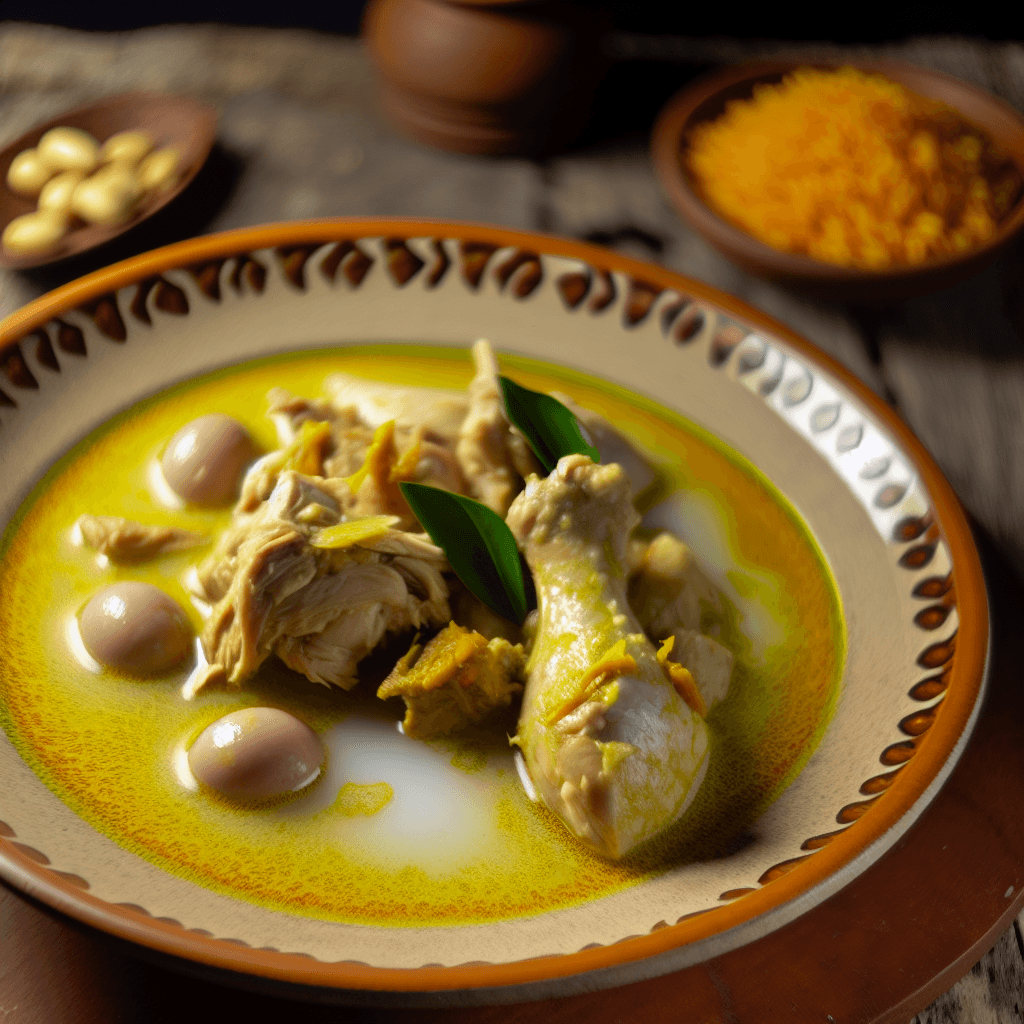
Opor Ayam
Indonesian chicken in mild coconut broth — the Eid celebration dish.
Prep
20 min
Cook
45 min
Servings
6
Difficulty
Medium
4.9
Sign in to rate#indonesian#chicken#coconut#Eid#celebration
Indonesian chicken in mild coconut broth — the Eid celebration dish.
Opor Ayam is Indonesia's signature Eid (Lebaran) dish — chicken slowly simmered in a pale, aromatic coconut broth perfumed with turmeric, ginger, galangal, and lemongrass. Unlike the fiery red curries of Padang, opor is deliberately white and gentle; its color symbolizes purification and new beginnings after the fasting month of Ramadan. The technique matters: the spice paste is fried first to bloom its aromatics, the chicken is sealed in that paste, and then coconut milk is added in stages so it never splits. Served over ketupat (compressed rice cakes) or yellow rice with sambal goreng on the side, opor ayam is the centerpiece of family reunion tables across Java — comforting, fragrant, and quietly luxurious.
Serves 6
Heat oil in a wide, heavy pot over medium heat. Add the shallots, garlic, ginger, and galangal and fry, stirring constantly, until softened, fragrant, and just starting to color at the edges — about 2 minutes. This blooming step builds the entire flavor base.
If the aromatics brown too fast, lower the heat; scorched garlic will make the white broth bitter and dull-colored.
Add the chicken pieces and toss to coat every surface in the aromatic oil. Cook 5–6 minutes, turning occasionally, until the skin turns lightly golden and the meat is sealed. You're not browning deeply — just locking in juices and layering flavor.
Pour in the coconut milk, then add the bruised lemongrass, bay leaves, and turmeric. Stir well to dissolve the turmeric evenly and bring the pot just to a boil over medium-high heat, stirring so the coconut milk heats uniformly.
Bruise the lemongrass firmly with the back of a knife before adding — this cracks the fibers and releases far more citrus aroma into the broth.
Immediately reduce the heat to a gentle simmer — small lazy bubbles only — and cook uncovered for about 35 minutes, stirring every 10 minutes. The chicken should become very tender and the broth should reduce slightly and turn pale gold.
Never let coconut milk boil hard for long; vigorous boiling causes it to split into oily curds instead of staying silky.
Taste the broth and season with salt, adjusting gradually. Remove the lemongrass and bay leaves, transfer to a serving bowl, and ladle plenty of broth over each portion. Serve hot with yellow rice or ketupat and steamed vegetables.
Everything you need to plan your week — free
Cook this hands-free
Get AI meal plans, step-by-step cooking mode, and your saved recipes in the free Bento app.
The broth should be mild, creamy, and aromatic — opor is defined by gentleness, so resist adding chili to the pot.
Use bone-in, skin-on chicken pieces; the bones enrich the coconut broth far more than boneless breast ever could.
Add the thicker portion of the coconut milk toward the end of simmering if you want extra richness without risking a split.
Opor tastes even better the next day, once the spices have penetrated the meat — make it a day ahead for Lebaran.
Fresh galangal is worth seeking out; ginger alone cannot replicate its piney, citrusy backbone.
Add peeled potatoes or hard-boiled eggs in the last 20 minutes — both are traditional and soak up the broth beautifully.
Make opor tahu-tempe with fried tofu and tempeh for a vegetarian version that's common in Javanese homes.
Use duck instead of chicken (opor bebek) for a richer, more festive variation popular in Central Java.
Stir in a spoonful of ground candlenuts (kemiri) with the aromatics for a thicker, nuttier broth.
Refrigerate in an airtight container for up to 4 days; reheat gently over low heat, stirring, so the coconut milk doesn't separate. Freezing is not recommended, as the broth turns grainy when thawed.
Opor ayam is the essential dish of Lebaran (Eid al-Fitr) in Indonesia, especially across Java, where it is paired with ketupat rice cakes after morning prayers. Its white coconut broth is widely read as a symbol of purity and forgiveness, fitting the holiday's spirit of asking pardon from family and neighbors. The dish reflects centuries of blending indigenous coconut-based cooking with spice-trade influences from India and the Middle East.
Check your spice paste — opor should contain no chili at all. The heat likely came from chili-laced shallot oil, a curry powder substitution, or spicy fried shallot garnish. Authentic opor gets its character from white pepper, coriander, galangal, and lemongrass, staying pale and gentle. If serving spice-lovers, offer sambal on the side instead of cooking chili into the broth.
Coconut milk splits when it boils hard or cooks too long over high heat. Keep the pot at the barest simmer once the milk goes in, and stir regularly so the fat stays emulsified. If it does separate slightly, whisk in a splash of warm water off the heat — this often brings the broth back together into a creamy consistency.
Yes — opor is actually better made a day ahead. The turmeric, galangal, and lemongrass continue to infuse the chicken overnight in the refrigerator, deepening the flavor. Reheat slowly over low heat with gentle stirring, adding a splash of water or thin coconut milk if the broth has thickened too much in the fridge.
The classic pairing is ketupat — rice steamed in woven palm-leaf pouches until dense and sliceable — but plain steamed rice or turmeric yellow rice works perfectly. Round out the Lebaran table with sambal goreng ati (spicy liver and potato), fried shallots for sprinkling, and emping crackers for crunch against the soft, creamy chicken.
Per serving (400g / 14.1 oz) · 6 servings total
Ask our AI cooking assistant anything about this recipe — substitutions, techniques, scaling.
Chat with AI Chef →Join the conversation
Sign in to leave a comment and save your favourite recipes
Everything you need to plan your week — free
Have feedback or need help?
We read every email and reply within 1–2 business days.
© 2026 MyCookingCalendar. All rights reserved.