
Tigadegena (Malian Peanut Butter Chicken Stew)
Chicken simmered in a luxurious sauce of unsweetened peanut butter, tomato and onion, the colour of burnished copper, served over fluffy white rice — Mali's most beloved Sunday meal.
About This Recipe
Tigadegena, sometimes spelled tigadeguena or tigadégué, is the great peanut stew of Mali and one of the defining dishes of Sahelian West African cookery. The name in Bambara means simply 'with peanut butter' (tiga = peanut, dege = butter, na = sauce). It belongs to the same family as Senegalese mafé and Ghanaian groundnut soup, but Malian cooks insist their version is the original and the richest — denser, less tomato-heavy, with the peanut allowed to dominate. A whole chicken is browned, then simmered with sweated onion, tomato paste and a splash of stock; about halfway through cooking, a thick slurry of pure unsweetened peanut butter is stirred in, and from that moment the sauce transforms. The peanut breaks and emulsifies into a glossy, sienna-orange gravy that thickens steadily as it cooks, taking on a deep nutty perfume balanced by sweetness from caramelized onion and gentle umami from a Maggi cube. A scotch bonnet floats whole in the pot for fragrance, and sometimes a few cubes of sweet potato or okra are added in the final minutes. Served on a wide enamel platter heaped with white rice, with the chicken pieces drowning in their copper sauce and the smell of toasted peanuts and onion filling the courtyard, tigadegena is the food of Sunday family lunches across Bamako, Mopti and Ségou. It is comforting, deeply savoury, surprisingly luxurious for so few ingredients, and one of the most addictive sauces on the African continent.
Ingredients
Serves 6
- 1.5 kgbone-in skin-on chicken pieces (legs and thighs work best)
- 3 tbspneutral oil (peanut oil traditional)
- 2 largeyellow onions, finely chopped
- 4garlic cloves, crushed, plus 1 thumb ginger grated
- 3 tbsptomato paste, plus 2 chopped fresh tomatoes
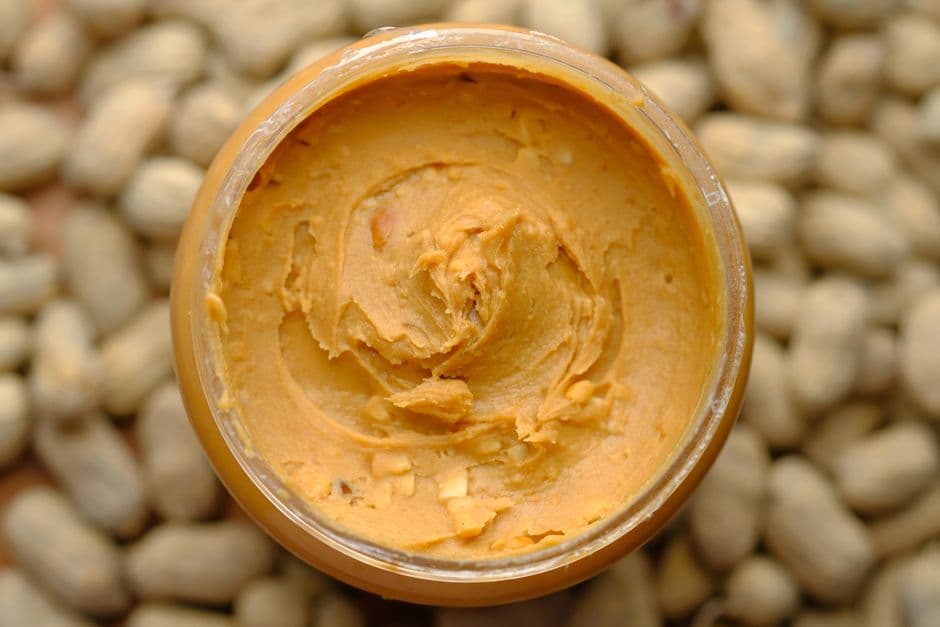
- 300 gsmooth natural unsweetened peanut butter(no sugar, no palm oil — read the label)
- 1 lhot chicken stock (or water plus 2 Maggi cubes)
- 1scotch bonnet, pierced but whole, plus 1 bay leaf
- sea salt, white pepper, steamed long-grain rice to serve
Instructions
- 1
Brown the chicken
Season chicken with salt and white pepper. Heat oil in a heavy pot over medium-high heat and brown chicken in two batches, 4 minutes per side, until skin is deep golden. Lift to a plate — don't worry about cooking through, you just want colour for flavour.
Browning is the single biggest flavour step; never crowd the pot or the chicken will steam.
- 2
Sweat aromatics
Reduce heat to medium. Add the chopped onions to the chicken fat and cook 8–10 minutes, stirring occasionally, until soft and lightly golden. Add the garlic and ginger and cook 90 seconds until fragrant. Stir in the tomato paste and cook 2 minutes until it darkens slightly and the raw tin smell is gone.
- 3
Build the base
Add the chopped fresh tomatoes and cook 4 minutes until they collapse. Return the chicken pieces and any juices to the pot. Pour over the hot stock — it should just cover the chicken. Add the bay and pierced scotch bonnet. Bring to a simmer, cover, and cook 25 minutes.
- 4
Make the peanut slurry
While the chicken cooks, scoop the peanut butter into a bowl. Ladle 250 ml of the hot pot liquid over it and whisk hard until you have a smooth, lump-free, pourable cream — like loose custard. This pre-emulsifying step prevents the sauce from breaking later.
- 5
Add the peanut and cook open
Stir the peanut slurry into the pot, gently turning the chicken pieces to coat. Uncover and simmer over low-medium heat 25–30 minutes, stirring every 5 minutes to prevent sticking. The sauce will thicken steadily, change from terracotta to deep copper, and develop a glossy sheen. A thin film of orange peanut oil rising to the surface is the traditional sign the sauce is finished.
- 6
Adjust and finish
Fish out the bay and (carefully!) the scotch bonnet. Taste — the sauce should be deeply nutty, gently sweet, mildly salty, with chilli warmth at the back of the throat. Add salt to taste. If sauce is too thick, loosen with hot water 2 tbsp at a time; if too thin, simmer 5 minutes more uncovered.
- 7
Serve
Mound hot long-grain white rice on a wide platter. Arrange chicken pieces on top and ladle the copper-coloured peanut sauce generously over and around. Traditionally eaten with the right hand, with a side of fresh chilli sambal and cold water — but a fork works perfectly.
Did you make this?
Rate it and help other cooks find the recipes that actually work.
One tap to sign in, and we'll save the rating you just picked.
Everything you need to plan your week — free
- Meal calendar
- Grocery list
- AI recipe ideas
Cook this hands-free
Get AI meal plans, step-by-step cooking mode, and your saved recipes in the free Bento app.
Pro Tips
- →
Use only natural unsweetened peanut butter where the only ingredient is peanuts; supermarket sweetened brands will ruin the dish.
- →
The slurry step is non-negotiable — adding peanut butter directly to the pot guarantees lumps and oil separation.
- →
Don't cover the pot once the peanut is in; the sauce needs to reduce and concentrate, not steam.
- →
A handful of roasted skinless peanuts crushed coarsely and showered on top at the table is a wonderful Bamako touch.
Variations
- •
Tigadegena with okra — add 200 g sliced okra in the final 10 minutes for body and gentle thickening.
- •
Mafé (Senegalese cousin) — add carrot, cabbage and sweet potato chunks in the final 20 minutes for a vegetable-rich version.
- •
Vegetarian — replace chicken with chunks of butternut squash and chickpeas, and use vegetable stock.
- •
With lamb — substitute lamb shoulder, brown it well, and extend total cook time to 2 hours.
Storage
Refrigerate in the sauce up to 4 days; the sauce thickens substantially as it cools — loosen with hot water on reheating. Freezes very well 3 months. Defrost overnight in fridge and reheat gently, stirring constantly to re-emulsify. Rice stored separately.
History & Origin
Peanuts arrived in West Africa from the Americas via Portuguese traders in the 16th century and were enthusiastically adopted across the Sahel, where they grew well and replaced indigenous Bambara groundnuts in many dishes. Tigadegena evolved among the Bambara, Mandinka and Songhai peoples of Mali as the showcase dish for the new crop, and by the colonial era was considered Mali's national dish.
Frequently Asked Questions
Can I use crunchy peanut butter?
Smooth is traditional and gives the silky sauce that defines tigadegena. Crunchy works in a pinch but the texture is wrong; if all you have is crunchy, blitz it smooth in a food processor first.
Why did my sauce split into oil?
Either the peanut butter wasn't pre-emulsified into a slurry, or you cooked it covered (steam destabilizes it), or the heat was too high. Whisk in 2 tbsp warm water vigorously off the heat to re-bring it together.
Is it very spicy?
Not with a whole pierced scotch bonnet — that gives perfume and gentle warmth only. For heat, mince the chilli into the onions.
Can I use chicken breast?
You can but bone-in dark meat is far better — the slow simmer would dry breast out. If using breast, add it only in the last 20 minutes.
Nutrition Facts
Per serving (480g / 16.9 oz) · 6 servings total
Time Summary
Have Questions?
Ask our AI cooking assistant anything about this recipe — substitutions, techniques, scaling.
Chat with AI Chef →Featured in Guides
This recipe is featured in the following curated guides:
You Might Also Like
Similar dishes from other cuisines around the world.
Free Kitchen Tools
Calculators and converters that pair with this page — no signup needed.
Put This Into a Plan
Schedule it, shop for it, and track what you already have.
Read Next
Longer reads that go deeper on the ideas behind this dish.
Community
Join the conversation
Sign in to leave a comment and save your favourite recipes