
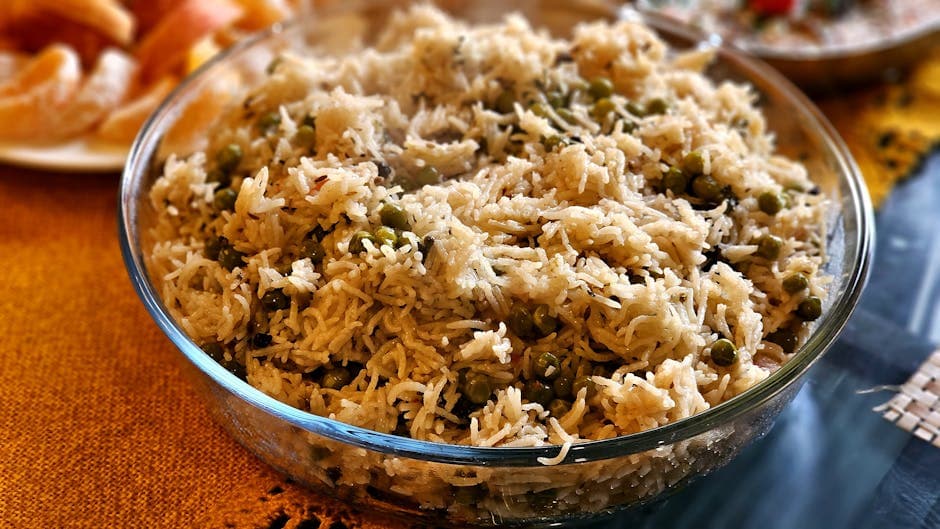
카불리 풀라오
아프가니스탄의 국민 요리 — 양고기 정강이 위에 찐 향긋한 장립 쌀밥에 캐러멜라이즈한 당근, 건포도, 피스타치오를 얹은 요리입니다.
이 레시피 정보
카불리 풀라오(Kabuli pulao)는 아프가니스탄 가족들이 귀한 손님에게 대접하는 요리입니다. 진주색 바스마티를 높이 쌓고, 모든 곡물을 캐러멜, 카다몬, 양 지방 향으로 분리하고 매끄럽게 만듭니다. 양 정강이는 부드러워질 때까지 삶아지며, 풍부한 고슈트 육수는 쌀 요리에 사용됩니다. 당근은 잘게 썰어 카다몬을 곁들인 설탕 시럽에 절입니다. 건포도는 같은 시럽에 담겨 있습니다. 아몬드와 피스타치오는 잘게 썬다. 구성 요소를 쌀과 겹쳐서 젖은 천으로 쪄서 바닥이 섬세한 황금 껍질을 형성합니다(tah dig). 방 전체가 먹을 수 있을 만큼 큰 접시에 담아서 오른손으로 먹습니다. 테이블에는 향신료가 전혀 필요하지 않습니다.
재료
서브 6
- 4양 정강이(전체 약 1.4kg)
- 2 큰술식물성 기름
- 2 큰잘게 다진 노란 양파
- 2 작은술소금
- 1.5 L물
- 500 g좋은 바스마티 쌀을 씻어서 30분 정도 불려주세요
- 3 큰당근, 긴 성냥개비에
- 100 g건포도 (황금색과 갈색 혼합)
- 60 g얇게 썬 아몬드
- 60 g얇게 썬 피스타치오
- 120 g설탕
- 1 큰술지상 카 다몬
- 1 작은술지상 커민
- 4 큰술버터 기름, 녹은
- 1 한 꼬집뜨거운 물 2큰술에 피어난 사프란
조리법
- 1
양고기 브라운
무거운 냄비에 기름을 데우세요. 갈색 양고기 정강이를 약 12분 동안 모든 면에서 세게 으깨줍니다. 들어내세요.
- 2
양파를 요리하세요
냄비에 양파를 넣고 불을 낮추고 진한 황금색이 될 때까지 12분간 조리합니다. 이 색깔이 쌀에 색을 입히는 것입니다.
- 3
브레이즈
생크를 다시 넣고 소금, 물, 카다몬 1티스푼을 추가합니다. 고기가 포크처럼 부드러워질 때까지 뚜껑을 덮고 90분 동안 부드럽게 끓입니다. 정강이를 들어 올리세요. gosht 국물을 긴장시키고 비축하십시오.
- 4
사탕 당근과 건포도
넓은 팬에 설탕과 물 200ml를 넣고 섞습니다. 4분간 끓인다. 당근을 추가하고 부드러워지고 유리처럼 될 때까지 8분간 조리합니다. 슬롯형 스푼으로 들어 올리세요. 건포도를 같은 시럽에 넣어 통통해질 때까지 1분 동안 떨어뜨립니다. 들어 올리십시오. 시럽을 예약하세요.
- 5
토스트 견과류
팬을 닦고 버터 기름 1큰술을 추가한 후 아몬드와 피스타치오를 중불에서 향이 날 때까지 2분간 굽습니다. 따로 보관하십시오.
- 6
밥을 데워서
넓은 냄비에 소금물을 넣고 끓입니다. 물기를 뺀 쌀을 넣고 5분간 끓입니다. 곡물은 유연해야 하지만 가운데 부분은 여전히 단단해야 합니다. 즉시 배수하십시오.
- 7
찜용 층
양 냄비를 닦으십시오. 버터 기름 3큰술과 고쉬 국물 한 국자를 붓습니다. 데친 밥을 반쯤 바닥에 깔아주세요. 그 위에 정강이를 놓은 다음 당근과 건포도의 절반을 놓습니다. 남은 밥으로 덮으세요. 사프란 물, 나머지 버터 기름, 남은 카다몬, 커민을 뿌립니다.
- 8
천 아래에서 스팀
깨끗한 키친 타월로 뚜껑을 감싸서 단단히 고정하세요. 아주 약한 불로 30분 동안 쪄주세요. 바닥이 타지 않고 황금색 껍질을 형성해야 합니다.
- 9
크라운 앤 서브
넓은 접시에 밥을 담아주세요. 양고기를 큰 조각으로 맨 위에 올려 놓습니다. 설탕에 절인 당근, 건포도, 구운 견과류가 남아 있는 왕관입니다. 남은 시럽을 뿌립니다.
직접 만들어 보셨나요?
평가를 남기면 다른 분들이 정말 잘 되는 레시피를 찾는 데 도움이 됩니다.
한 번만 로그인하면 방금 선택한 평점을 그대로 저장해 드립니다.
일주일 식단 계획에 필요한 모든 것 — 무료
- 식단 캘린더
- 장보기 목록
- AI 레시피 추천
먹은 음식을 기록하세요
무료 SnapCal 앱에서 식사 사진으로 칼로리와 영양소를 기록하고, 단식 타이머와 물 섭취 기록도 사용하세요.
전문가의 팁
- →
숙성된 바스마티(셀라 또는 프리미엄 인도산)를 사용하세요. 신선한 작물 바스마티는 풀라오에서 끈적끈적하게 변합니다.
- →
양파를 적절하게 갈색으로 볶습니다. 창백한 양파는 창백한 풀라오를 만듭니다. 딥 골드는 시그니처 앰버 컬러를 제공합니다.
- →
김이 나는 동안 밥을 저어주지 마십시오. 충동을 억제하세요. 서빙을 위해 마운드를 만들 때 레이어가 섞일 것입니다.
- →
양 정강이가 없으면 뼈가 있는 양 어깨를 6cm 크기로 잘라도 거의 효과가 있습니다.
변형
- •
일부 카불리 가정에서는 사프란과 함께 장미수 1테이블스푼을 추가합니다.
- •
칸다하리 버전은 건포도와 함께 말린 살구를 추가합니다.
- •
채식 카불리 풀라오(Kabuli pulao)는 양고기를 구운 병아리콩으로 대체하고 야채 육수와 버터 한 덩어리를 사용하여 풍성함을 선사합니다.
저장
최대 3일 동안 냉장 보관하세요. 2테이블스푼의 물을 부어 160°C 오븐에서 20분 동안 재가열하세요. 전자레인지를 사용하면 쌀이 끈적끈적해집니다.
역사와 유래
Kabuli pulao는 실크로드를 여행했던 광범위한 페르시아 필라프 전통의 혈통을 추적합니다. 유사한 당근과 고기 쌀에 대한 언급은 16세기 무굴 궁정 기록에 나타납니다. 이는 20세기에 아프가니스탄의 국가 요리가 되었으며 결혼식과 Eid 축하의 상징적인 음식입니다.
자주 묻는 질문
왜 카불리 풀라오라고 불리는가?
그것은 설탕에 절인 당근 버전이 도시 표준이 된 수도인 카불에서 시작되었습니다. 다른 아프간 지역에는 고유한 풀라오 스타일이 있지만 카불리는 국가 원형이 되었습니다.
카불리 풀라오는 매워요?
아니요. 뜨겁다기보다는 향기롭습니다. 스파이스 프로필은 카다몬, 커민, 카라멜의 단맛이며 고추가 없습니다. 아프간 사람들은 일반적으로 열기를 원하는 사람들을 위해 칠리 요구르트 처트니와 짝을 이룹니다.
앞으로 나아갈 수 있을까요?
양고기를 삶고 하루 전에 당근, 건포도, 견과류 토핑을 준비할 수 있습니다. 최고의 식감을 위해 밥을 드시는 날 밥을 찌는 단계를 수행하세요.
풀라오와 비리야니의 차이점은 무엇인가요?
풀라오는 양념된 육수를 흡수한 쌀과 함께 한 냄비에 조리됩니다. 비리야니는 매콤한 마살라와 찐 요리(dum)를 겹겹이 쌓은 것입니다. 풀라오는 더 부드럽고 향이 더 좋습니다.
영양성분표
서빙 당 (420g) · 6 총 제공량
시간 요약
가이드에 소개됨
이 레시피는 다음과 같은 선별된 가이드에 소개되어 있습니다.
더 많은 아프가니스탄 레시피
이런 것도 좋아하실 거예요
세계 다른 요리에서 찾은 비슷한 음식.
재료로 찾아보기
같은 핵심 재료로 만드는 다른 레시피.
무료 주방 도구
이 페이지와 함께 쓰는 계산기와 단위 변환기 — 가입 없이 이용 가능.
식단 계획으로 옮기기
캘린더에 넣고, 장보기 목록을 만들고, 가진 재료를 관리하세요.
이어서 읽기
이 요리의 배경을 깊이 다룬 긴 글.
커뮤니티
대화에 참여하세요
댓글을 남기고 좋아하는 레시피를 저장하려면 로그인하세요.