
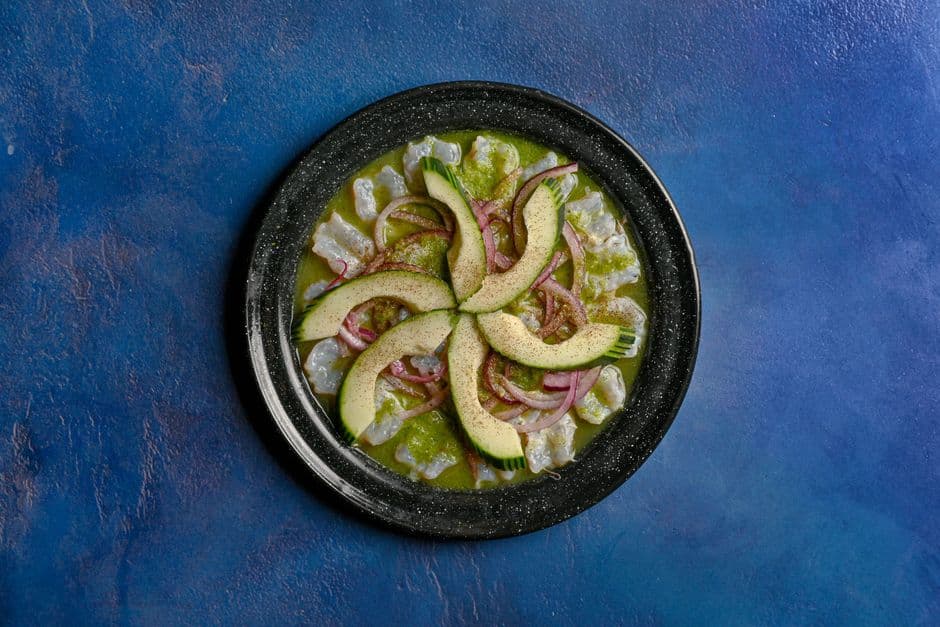
Aguachile (Mexican Shrimp in Chile-Lime Broth)
Raw shrimp cured in a fiery blended broth of lime, serrano chiles, cilantro, cucumber and red onion.
About This Recipe
Aguachile is the vivid, lip-tingling cousin of ceviche from Mexico's Pacific coast, especially Sinaloa and Nayarit. Where ceviche cures slowly, aguachile is meant to be quick and bracingly fresh: butterflied raw shrimp are dressed at the last moment in a bright green chile water (literally agua-chile) made by blending lime juice, serrano or jalapeño chiles, cilantro and a little water. Crisp cucumber half-moons and paper-thin red onion add crunch and bite, while the acid gently firms the shrimp to a just-set, almost sashimi-like texture. It is served immediately, piled onto tostadas with avocado and a sprinkle of salt. Punchy, herbaceous and unapologetically spicy, aguachile is the ultimate hot-weather seafood dish.
Ingredients
Serves 4
- 500 graw shrimp(peeled and deveined)
- 180 mlfresh lime juice(about 8 limes)
- 3 wholeserrano chiles(or 2 jalapeños, stems removed)
- 1 small bunchfresh cilantro(plus extra to garnish)
- 60 mlcold water
- 1 largecucumber(thinly sliced)
- 0.5 mediumred onion(thinly sliced)
- 1 clovegarlic
- 1 tspsalt(plus more to taste)
- 1 ripeavocado(sliced, to serve)
- 8 wholecorn tostadas(to serve)
Instructions
- 1
Butterfly the shrimp
Slice each peeled shrimp lengthwise down the back, opening it like a book without cutting all the way through. This 'mariposa' cut gives more surface area for the lime to cure and makes the shrimp lie flat on the plate.
Use the freshest sushi-grade shrimp you can find, since they are eaten essentially raw.
- 2
Soak the onion
Slice the red onion paper-thin and soak it in cold water for 10 minutes, then drain. This mellows its sharp bite and keeps it crisp and bright pink rather than aggressive.
- 3
Blend the aguachile
Combine the lime juice, serrano chiles, half the cilantro, the garlic clove, cold water and salt in a blender. Blitz for about 20 seconds until smooth and vivid green. Taste and adjust salt and heat.
Leave the chile seeds in for full heat, or remove them for a milder broth.
- 4
Arrange the shrimp
Lay the butterflied shrimp in a single layer in a shallow dish or rimmed plate. Spreading them out ensures every piece cures evenly in the chile-lime broth rather than clumping together.
- 5
Add the broth
Pour the blended aguachile over the shrimp so they are just submerged. Let them cure for 5-10 minutes, until the flesh turns from translucent grey to opaque pink at the edges but stays tender in the centre.
Cure briefly — over-soaking turns the shrimp rubbery and tough.
- 6
Add the vegetables
Scatter the cucumber slices and drained red onion over the shrimp and toss gently to combine. The cucumber adds cooling crunch that balances the searing chile heat.
- 7
Serve immediately
Garnish with the remaining cilantro and arrange avocado slices on top. Serve right away with crisp tostadas, letting everyone pile the shrimp and a spoonful of the spicy broth onto each one.
Did you make this?
Rate it and help other cooks find the recipes that actually work.
One tap to sign in, and we'll save the rating you just picked.
Everything you need to plan your week — free
- Meal calendar
- Grocery list
- AI recipe ideas
Track what you eat
Snap your meal to log calories and macros, run fasting timers and track water in the free SnapCal app.
Pro Tips
- →
Use the freshest shrimp possible; aguachile is essentially raw, so quality is everything.
- →
Cure the shrimp only briefly — 5 to 10 minutes keeps them tender, while too long makes them tough.
- →
Soak the sliced red onion in cold water to tame its sharpness and keep it crisp.
- →
Always taste and balance the broth: it should be punchy with lime, salt and chile in equal measure.
- →
Serve the moment it comes together; aguachile loses its fresh sparkle if it sits.
Variations
- •
Aguachile rojo: swap the cilantro and green chiles for dried chiltepín or árbol chiles blended with the lime for a red, smokier broth.
- •
Make it with thin slices of raw scallop or fresh tuna instead of shrimp.
- •
Add thin mango or pineapple slices for a sweet-hot tropical version.
- •
Stir in a splash of clamato or a little cucumber juice to extend the broth.
Storage
Aguachile is best eaten immediately. Leftovers keep in the fridge for up to 1 day but the shrimp will continue to firm and the texture suffers.
History & Origin
Aguachile originates on Mexico's northwest Pacific coast, particularly the state of Sinaloa, where it began as a rustic dish of dried meat or shrimp moistened with water and ground chiltepín chiles. The modern fresh-shrimp version with lime and serrano became a celebrated coastal staple in the late twentieth century.
Frequently Asked Questions
Is the shrimp in aguachile actually raw?
The shrimp are raw in the sense that no heat touches them, but the acid in the lime juice 'cooks' them through denaturation, firming the proteins and turning the flesh opaque. Because the cure is so quick, the centre stays tender. For safety, always use very fresh, high-quality shrimp from a trusted source.
What is the difference between aguachile and ceviche?
Both cure seafood in citrus, but aguachile is faster and spicier. Ceviche typically marinates for 20 minutes or longer and includes chopped tomato and other vegetables, while aguachile dresses the shrimp in a freshly blended chile-lime broth and is served almost immediately, with a much more pronounced, raw chile heat.
How spicy is aguachile and can I make it milder?
Traditional aguachile is genuinely hot, built on raw serrano or chiltepín chiles. To dial it back, remove the seeds and membranes from the chiles, use fewer of them, or substitute milder jalapeños. Extra cucumber and avocado on top also help cool each bite without losing the dish's fresh character.
Nutrition Facts
Per serving (300g / 10.6 oz) · 4 servings total
Time Summary
Have Questions?
Ask our AI cooking assistant anything about this recipe — substitutions, techniques, scaling.
Chat with AI Chef →Featured in Guides
This recipe is featured in the following curated guides:
More Mexican Recipes
You Might Also Like
Similar dishes from other cuisines around the world.
Browse by Ingredient
More recipes built around the same core ingredients.
Free Kitchen Tools
Calculators and converters that pair with this page — no signup needed.
Put This Into a Plan
Schedule it, shop for it, and track what you already have.
Read Next
Longer reads that go deeper on the ideas behind this dish.
Community
Join the conversation
Sign in to leave a comment and save your favourite recipes