
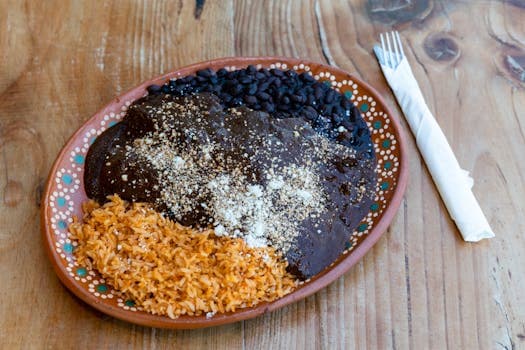
Authentic Oaxacan Mole Negro
The king of Mexican sauces — dark, complex mole with over 30 ingredients including chocolate and chiles.
About This Recipe
Mole negro is Mexico's most revered and complex sauce, a cornerstone of Oaxacan cuisine and one of the most sophisticated culinary creations in all of world cooking. It begins with a foundation of dried chiles — mulato, ancho, chihuacle negro and pasilla — that are toasted, rehydrated and blended with toasted seeds and nuts, charred onion, garlic, tomato, tomatillo, spices, stale tortilla, plantain, raisins and, crucially, dark Mexican chocolate. The result is a sauce of extraordinary depth, with layers of smoky, bitter, sweet, earthy and subtly spicy flavor that no single description can capture. Making mole negro from scratch is a project measured in days, not hours. Each component is toasted, charred, fried or cooked separately before being blended in stages and simmered together in lard until the sauce is dark, glossy and impossibly rich. In Oaxaca, mole negro is made communally for weddings, funerals and festivals — the labor itself is part of the ceremony. Home cooks in Mexico keep their family mole recipes as closely guarded secrets. Served over turkey (the traditional mole negro bird) or chicken, on enchiladas, or alongside black beans and rice, mole negro rewards the time investment with a dining experience unlike anything else in Mexican food. Even a simplified home version using quality paste as a base will deliver something remarkable. Make it for a special occasion and it will become one of the great dishes of your cooking life.
Ingredients
Serves 8
- 4chihuacle negro chiles(toasted, soaked)
- 4ancho chiles(toasted, soaked)
- 4mulato chiles(toasted, soaked)
- 2pasilla chiles(toasted, soaked)
- 1chipotle chile in adobo
- 4 ozMexican dark chocolate (Ibarra)(chopped)
- ¼ cupsesame seeds(toasted)
- ¼ cuppepitas (pumpkin seeds)(toasted)
- ¼ cupblanched almonds(toasted)
- 3 tbspraisins
- 3roma tomatoes(charred)
- 4tomatillos(charred)
- 1white onion(halved and charred)
- 6 clovesgarlic(charred)
- 1stale corn tortilla(torn and fried golden)
- ½ripe plantain(sliced and fried)
- 1 stickMexican cinnamon (canela)
- 4cloves
- 8black peppercorns
- 1 tspdried thyme
- 1 tspdried marjoram
- 4 cupsturkey or chicken broth
- 3 tbsplard or vegetable oil
- 1 tbspsugar(or to taste)
- salt(to taste)
Instructions
- 1
Toast and rehydrate chiles
Wipe chiles with a damp cloth. Toast each chile in a dry skillet over medium heat 30 seconds per side until fragrant. Submerge in hot water 30 minutes. Drain, reserving soaking water.
- 2
Char vegetables
Char tomatoes, tomatillos, onion and garlic directly over a gas flame or in a dry cast iron skillet until blackened in spots. The char is essential flavor.
- 3
Toast nuts and seeds
Toast sesame seeds, pepitas and almonds separately in a dry skillet until golden and fragrant. Fry tortilla pieces and plantain slices in oil until golden.
- 4
Blend in batches
Blend rehydrated chiles with a little soaking water until smooth. Blend nuts, seeds, fried tortilla and plantain with broth. Blend charred vegetables separately. Blend spices with a little broth.
Blend each component until completely smooth — uneven texture in mole is noticeable.
- 5
Fry the mole
Heat lard in a very large, heavy pot over medium-high heat until shimmering. Add chile puree — it will splatter dramatically. Stir constantly and fry 5–8 minutes until darkened. Add nut-seed puree, then vegetable puree. Fry each addition.
- 6
Simmer and finish
Add remaining broth, chocolate, sugar and salt. Simmer uncovered, stirring frequently, 45–60 minutes until sauce is thick, dark and glossy. It should coat a spoon thickly.
The long simmer is where the flavors marry and the sauce develops its characteristic depth.
- 7
Serve
Serve over roasted turkey or chicken pieces with sesame seeds on top, rice and fresh tortillas.
Did you make this?
Rate it and help other cooks find the recipes that actually work.
One tap to sign in, and we'll save the rating you just picked.
Everything you need to plan your week — free
- Meal calendar
- Grocery list
- AI recipe ideas
Track what you eat
Snap your meal to log calories and macros, run fasting timers and track water in the free SnapCal app.
Pro Tips
- →
The charring of vegetables is as important as the toasting of chiles — both contribute essential bitter, smoky depth.
- →
Do not skip the frying step — cooking the blended mole in hot fat is what transforms it from paste to sauce.
- →
Mole negro improves enormously over 2–3 days. Make it ahead whenever possible.
- →
A quality store-bought mole paste (Doña Maria, El Yucateco) can be used as a base, adding chocolate and broth.
Variations
- •
Mole Rojo: a simpler red mole using ancho and guajillo chiles without chocolate.
- •
Mole Amarillo: yellow mole of Oaxaca using costeño amarillo chiles and tomatillos.
- •
Mole over Enchiladas: use thinned mole as sauce for chicken-filled corn tortilla enchiladas.
Storage
Mole negro keeps refrigerated 2 weeks and freezes up to 6 months — it actually improves with age. Reheat gently with a splash of broth.
History & Origin
Mole negro originates in Oaxaca, where it has been made for centuries before Spanish colonization, evolving from pre-Hispanic chile-based sauces. The addition of chocolate, introduced after the Aztec civilization's cacao culture fused with Spanish colonial ingredients, created the sauce we know today. In Oaxaca, mole negro is called the 'black gold' and prepared for the most important communal celebrations.
Frequently Asked Questions
Can I use a jarred mole paste?
Yes — look for quality brands like Doña Maria or El Yucateco. Fry 3–4 tablespoons in oil, then add 2 cups broth and 1 oz dark chocolate per cup of paste. The shortcut version is still very good.
Why is mole negro so dark?
The dark color comes from the combination of charred/burnt chile seeds (chihuacle negro are often charred deliberately), dark dried chiles, charred vegetables, dark chocolate and the long cooking in hot fat that caramelizes the entire sauce.
What's the difference between mole negro and mole poblano?
Mole negro is from Oaxaca, darker, more complex, with charred and more varied chiles. Mole poblano (from Puebla) is the most famous internationally, with mulato and ancho chiles and a red-brown color.
Nutrition Facts
Per serving (350g / 12.3 oz) · 8 servings total
Time Summary
Have Questions?
Ask our AI cooking assistant anything about this recipe — substitutions, techniques, scaling.
Chat with AI Chef →Featured in Guides
This recipe is featured in the following curated guides:
More Mexican Recipes
You Might Also Like
Similar dishes from other cuisines around the world.
Browse by Ingredient
More recipes built around the same core ingredients.
Free Kitchen Tools
Calculators and converters that pair with this page — no signup needed.
Put This Into a Plan
Schedule it, shop for it, and track what you already have.
Read Next
Longer reads that go deeper on the ideas behind this dish.
Community
Join the conversation
Sign in to leave a comment and save your favourite recipes